
Canvas print styling tips for modern homes in 2026
Blank walls are one of the most common frustrations homeowners and renters face when trying to make a space feel like home. You move in, arrange the furniture, and then stand back only to realize the walls look cold, empty, and forgettable. Canvas prints fix that problem fast, but hanging one in the wrong spot or pairing it poorly with your room can make things worse instead of better. This guide walks you through every step: preparation, selecting the right piece, hanging it with confidence, integrating it with your decor, and finishing with a polished, gallery-quality result that feels completely your own.
Table of Contents
- Essential tools and prep for styling canvas prints
- Selecting the right canvas print and placement
- Hanging and arranging your canvas prints like a pro
- Finishing touches: Integrating canvas prints with your decor
- Why most canvas print arrangements miss the mark—and how to stand out
- Bring your walls to life with exclusive canvas and wall art
- Frequently asked questions
Key Takeaways
| Point | Details |
|---|---|
| Prep before hanging | Gather the right tools and plan your layout to save time and avoid mistakes. |
| Choose print and spot wisely | Select a canvas and location that enhances your space and personal style. |
| Perfect placement matters | Align prints at 57-60 inches from the floor for a polished, gallery-inspired look. |
| Integrate with decor | Coordinate prints with furniture, colors, and accents for a professional finish. |
| Personal taste over trends | Prioritize prints you love instead of following generic decor trends. |
Essential tools and prep for styling canvas prints
Before a single nail goes into the wall, you need to set yourself up for success. Great canvas styling starts with the right tools and a clear plan. Skipping this step is what leads to crooked prints, damaged walls, and that sinking feeling when things just look off.
Here is a quick checklist of everything you need before you start:
- Tape measure for accurate wall and canvas dimensions
- Pencil for light marking that is easy to erase
- Level to keep your art perfectly straight
- Hammer and picture hooks appropriate for your wall type
- Painter’s tape to mock up placement before committing
- Stud finder if you are mounting heavier or larger pieces
| Tool/item | Purpose | Notes |
|---|---|---|
| Tape measure | Measure wall and art dimensions | Measure twice, hang once |
| Level | Keep canvas perfectly straight | Even small tilts look unprofessional |
| Painter’s tape | Map layout before hanging | Safe for walls, leaves no residue |
| Picture hooks | Secure mounting | Match hook weight rating to canvas |
| Stud finder | Locate studs for heavy art | Essential for canvases over 20 lbs |
| Pencil | Mark hanging points | Light marks wipe off easily |
Choosing the right wall matters just as much as choosing the right art. Look for a wall that gets natural light during the day without direct harsh sunlight, which can fade pigments over time. North-facing walls are great for consistent, soft light. If natural light is limited, a warm-toned accent light aimed at your canvas creates a museum-like glow.
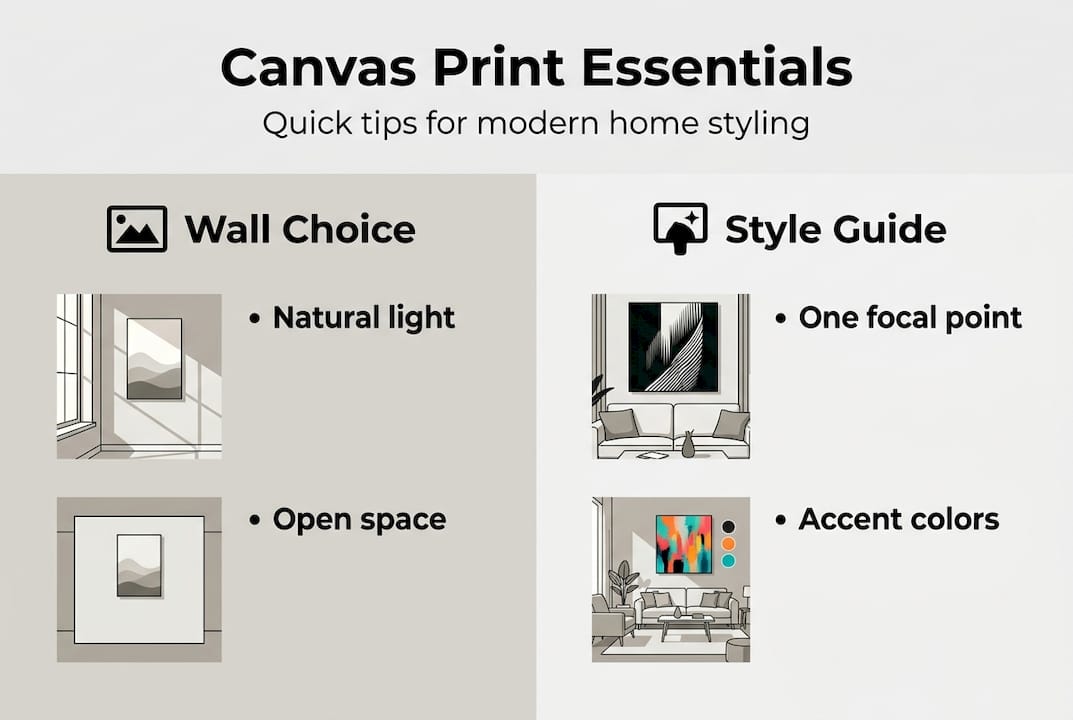
Composition and balance are things many people skip, and then wonder why their display looks random. The golden rule borrowed from galleries is that the center of your canvas should sit 57 to 60 inches above the floor, which aligns with average human eye level. This standard immediately makes any room feel more intentional.
Pro Tip: Before drilling a single hole, use painter’s tape to outline the exact shape and position of your canvas on the wall. Live with it for a day. You will often want to adjust placement once you see it in changing light.
For rooms where you want a statement piece with real visual character, something like this unique canvas artwork can anchor a wall beautifully while giving you a clear compositional focal point to build around.
Selecting the right canvas print and placement
With your supplies ready and your wall identified, the next step is choosing a canvas print that actually belongs in your space. The biggest mistake people make here is buying what looks good on a screen without thinking about scale, color, and theme in relation to the room.
Follow these numbered steps to make the right call every time:
- Measure your wall and furniture. A canvas should cover roughly two-thirds to three-fourths the width of the furniture below it.
- Identify your room’s dominant colors. Pull two or three of those shades and look for prints that echo or contrast them intentionally.
- Choose a theme that fits the mood. Abstract art energizes a living room. Softer florals work well in bedrooms. Bold geometric designs suit home offices.
- Decide on single piece, gallery wall, or triptych. Each format has different strengths depending on the room.
- Consider texture and finish. Matte canvas feels warm and organic. Acrylic has a vivid, modern edge.
| Format | Pros | Cons | Best rooms |
|---|---|---|---|
| Single large canvas | Bold focal point, easy to style | Requires large, open wall | Living room, bedroom |
| Gallery wall | Tells a story, highly personal | Time-consuming to arrange | Hallway, staircase, office |
| Triptych | Adds rhythm and flow | Must align panels carefully | Living room, dining room |
Placement is just as strategic as selection. Over a sofa, a canvas should be centered horizontally and hang about 6 to 8 inches above the furniture. Following the 57 to 60 inch standard keeps things looking professional regardless of the room.
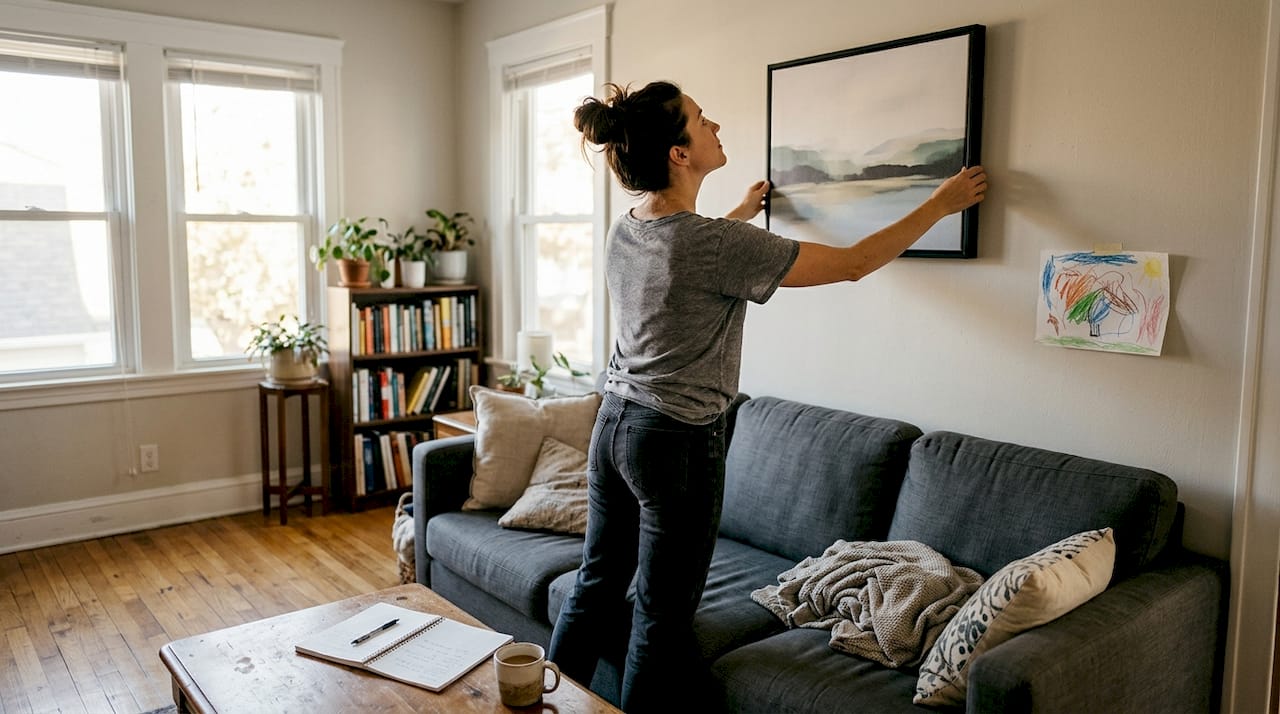
Pro Tip: Echo one accent color from your throw pillows, rug, or curtains in your canvas choice. It instantly creates cohesion without making things feel too matchy.
For a modern, layered look, modern wall art prints with weave-inspired designs add visual texture that pairs beautifully with neutral furniture. If your home leans toward bold and contemporary, a modern home aesthetic canvas in a cyclone motif creates powerful visual movement. For maximalist spaces that celebrate color, vibrant abstract art in large formats can completely transform a tired room.
Hanging and arranging your canvas prints like a pro
Choosing the print is the fun part. Hanging it correctly is what separates a polished result from a frustrating one. Follow this step-by-step process and you will get it right the first time.
- Measure your canvas. Note both width and height, and find the center point along the top edge.
- Mark your target height. Measure 57 to 60 inches from the floor and make a light pencil mark on the wall.
- Account for the hanging hardware. Measure the distance from the top of the canvas to the wire or hook on the back. Subtract that from your 57 to 60 inch mark to find where your nail goes.
- Use a level. Hold your level along the pencil mark before hammering to confirm it is perfectly horizontal.
- Hammer the hook. Drive it in at a slight downward angle for a more secure hold.
- Hang and recheck. Place the canvas and use your level one more time to confirm it sits straight.
For groupings or multi-panel layouts, maintain consistent spacing between pieces, typically 2 to 3 inches, for a clean and intentional look. Use paper templates cut to each canvas size to plan your arrangement on the floor before touching the wall.
“Keep the center at 57-60 inches above the floor for a professional, gallery-quality look that feels comfortable at eye level.”
Here are the most common mistakes to avoid:
- Hanging too high. This is the number one error. Art hung above eye level feels disconnected from the room.
- Going too small. A tiny canvas on a large wall disappears and looks like an afterthought.
- Ignoring wall material. Drywall anchors, concrete anchors, and plaster hooks are different tools for different surfaces.
- Over-cluttering. More is not always better. Give each piece space to breathe.
- Skipping the level. Even a two-degree tilt is visible and distracting.
For a practical example of how well-executed hanging transforms a piece, see how styling canvas print tips apply across different room styles with this vivid weave design.
Finishing touches: Integrating canvas prints with your decor
Hanging the canvas is only halfway there. The real magic happens when your art connects with everything else in the room. This is what separates a house that just has art on the walls from a home that feels designed.
Start by repeating colors from your canvas in soft furnishings. If your canvas features deep navy and warm amber, bring those tones into throw pillow covers or a woven rug. You do not need an exact match, just a visual echo that ties the room together.
Lighting is the most underrated finishing tool. A picture light mounted above the canvas or an adjustable floor lamp angled toward it creates depth and dimension, especially in the evening. This trick alone elevates even a budget-friendly print to gallery status.
Here are practical ways to integrate art without making things feel rigid:
- Living room: Pair bold colorful canvas print ideas with solid-colored throw pillows and a textured rug that shares one canvas tone.
- Bedroom: Use softer prints above the headboard with linen textiles in complementary shades for a calm, cohesive feel.
- Home office: Choose energizing abstract wall decor inspirations that stimulate creativity without overwhelming the space.
- Entryway: A single bold canvas here sets the tone for your whole home. Make it personal and striking.
- Dining room: Floral canvas art accents add warmth and organic energy that complements natural wood furniture beautifully.
According to professional interior stylists, art should be placed following the eye-level standard of 57 to 60 inches even in rooms where furniture heights vary.
Pro Tip: Rotate your canvas prints seasonally. Swap a bold, energetic abstract for a softer floral in spring, or bring in deeper, richer tones in fall. It gives your space a fresh feeling all year without redecorating from scratch.
Why most canvas print arrangements miss the mark—and how to stand out
Here is something most decor guides will not tell you: following every trend perfectly can actually make your home feel less like yours. Gallery walls are a great example. They exploded in popularity and now appear in every design magazine and social media feed. The result? Homes that look styled but not personal.
The spaces that genuinely impress are the ones where someone made a bold, slightly unexpected choice. A single oversized abstract canvas in a minimal room. An intense cyclone pattern in a space full of soft neutrals. These choices feel surprising because they were made with confidence, not just because they matched a Pinterest board.
Trust your instincts. If a print stops you in your tracks when you see it, that reaction matters. Rules about style exist as guidelines, not laws. Breaking them thoughtfully is often what makes a room feel alive. Explore distinct canvas styles that reflect your personality rather than just filling wall space.
The best rooms feel like they were made by someone with a real point of view.
Bring your walls to life with exclusive canvas and wall art
You now have everything you need to transform any room from forgettable to genuinely striking. The preparation, placement, and styling principles in this guide work whether you are decorating a studio apartment or a full home.
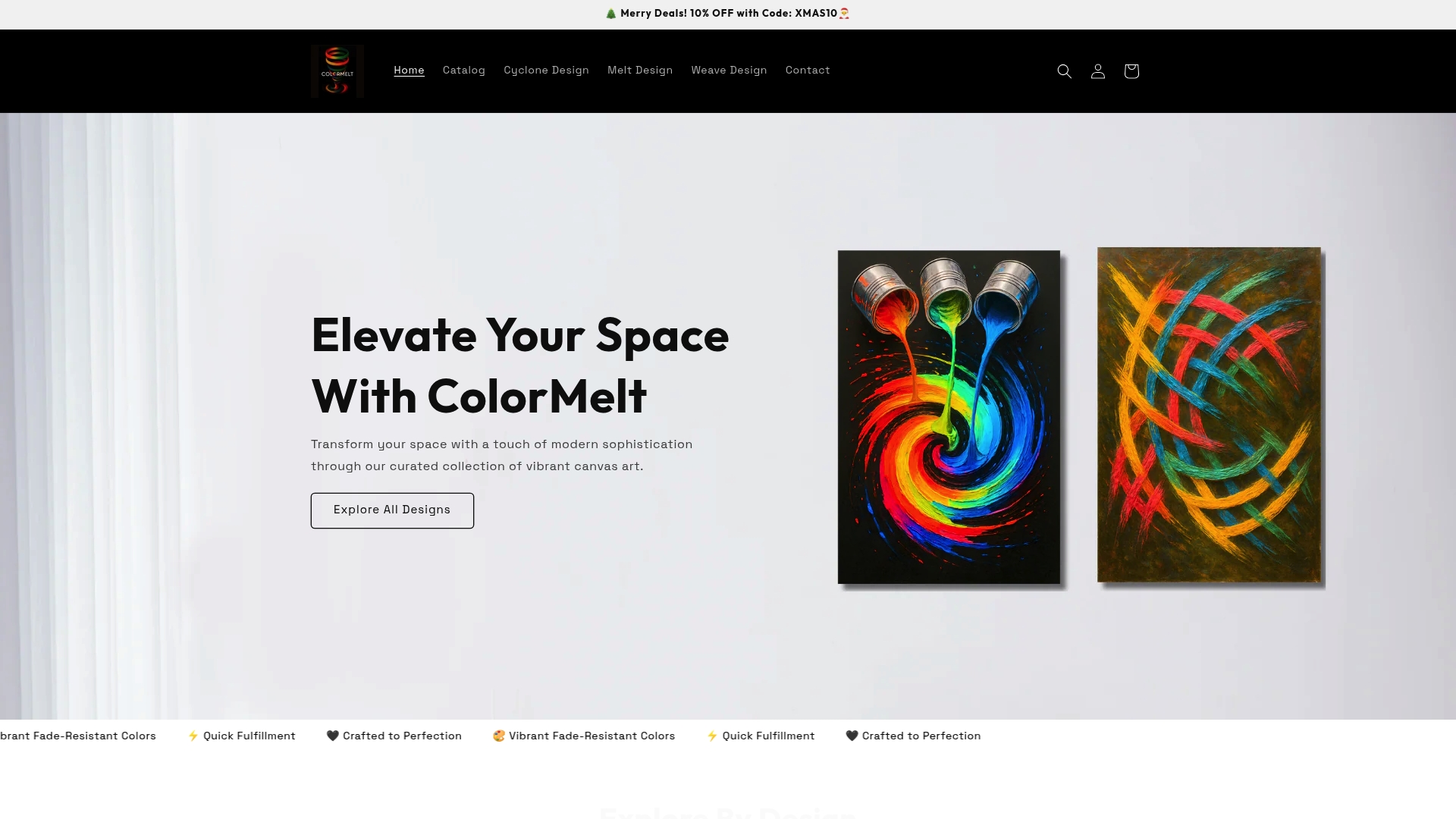
At ColorMelt.shop, every piece is crafted with fade-resistant colors, sharp detail, and fast fulfillment so you can see your vision on the wall quickly. Browse abstract canvas prints for bold statement pieces, explore the full modern wall art selection for contemporary looks, or browse all wall art to find the piece that feels made for your space. Your walls deserve more than blank.
Frequently asked questions
What is the ideal height to hang a canvas print?
The ideal center height is 57 to 60 inches from the floor, which follows the same standard used by museums and galleries worldwide.
How do I choose the right size canvas for my wall?
Select a canvas that covers two-thirds to three-fourths the width of your furniture or the open wall space above it for a balanced, proportional look.
Can I hang canvas prints without nails?
Yes, strong adhesive strips or specialized no-nail hooks work well for lightweight canvas prints, though heavier pieces still benefit from traditional hardware for long-term security.
Should canvas prints match my room’s color scheme?
Echoing one accent color from your room creates harmony, but intentional contrast, like a bold print in a neutral room, adds visual energy and personality.
How can I make a gallery wall look cohesive?
Use consistent spacing of 2 to 3 inches between pieces, keep frame styles similar, and unify the grouping with a shared color tone or design theme across your prints.
Recommended
- Modern Home Aesthetic Canvas Art Print - Cyclone Design – ColorMelt
- Circular Art Acrylic Triptych Prints for Modern Decor – ColorMelt
- Modern Wall Art Canvas Print - Weave Design – ColorMelt
- Modern Home Decor Acrylic Prints Triptych - Cyclone Design – ColorMelt
- Top 6 Advantages Of Canvas Art For Your Home In 2026