
Your complete guide to home decor accessories
Most people walk into a beautifully styled room and feel something, but they can’t quite name what makes it work. The furniture is fine. The walls are painted. But there’s something else doing the heavy lifting. That “something” is almost always the accessories. Home decor accessories get written off as optional extras, the last thing on a shopping list or the first thing cut from a budget. That thinking costs you. The right accessories can turn a plain, forgettable room into a space that feels intentional, vibrant, and completely yours. This guide breaks down exactly what accessories are, how to arrange them, and how to build layers that make a room feel truly alive.
Table of Contents
- What are home decor accessories?
- The science of visual balance: Layering and arrangement
- Finding your style: Symmetry, asymmetry, and visual weight
- Building cohesive style: Steps to accessorize like a pro
- What most people miss about home decor accessories
- Bring your home to life with vibrant accessories
- Frequently asked questions
Key Takeaways
| Point | Details |
|---|---|
| Accessories add personality | Decorative accessories turn spaces from basic to expressive and welcoming. |
| Balance is key | Arrange accessories with balance in mind, using symmetry or asymmetry to suit your style. |
| Layer from large to small | Build your space starting with furniture and finishing with select accessories for cohesion. |
| Odd groupings work best | Arranging items in sets of three or five creates dynamic and visually pleasing displays. |
What are home decor accessories?
Let’s clear something up right away. There’s a real difference between furniture and accessories, and mixing them up leads to rooms that feel incomplete or cluttered without you ever knowing why.
Furniture is functional. Your sofa, dining table, bed frame, and bookshelves all serve a practical purpose. You need them to live in a space. Accessories, on the other hand, are non-essential decorative items that add personality, texture, color, and warmth to living spaces. They sit on top of the functional layer and bring it to life.
Here are the most common types of home decor accessories you’ll work with:
- Wall art and canvas prints (framed pieces, abstract canvas, acrylic prints, wood prints)
- Throw pillows and blankets (add softness and layered color)
- Vases and ceramics (introduce organic shapes and texture)
- Candles and candle holders (create mood and warmth)
- Books and trays (anchor arrangements and add visual interest)
- Plants and greenery (bring life and contrast to manufactured materials)
- Mirrors (expand perceived space and reflect light)
- Decorative sculptures and figurines (add dimension and personal expression)
- Coasters, mugs, and lifestyle objects (connect everyday use to your overall aesthetic)
Each category plays a distinct role. Wall art, for example, immediately draws the eye upward and sets the visual tone of an entire room. Learning to use styling colorful wall decor effectively is one of the fastest ways to transform any space. A single bold canvas can establish a color palette that every other accessory in the room then echoes.
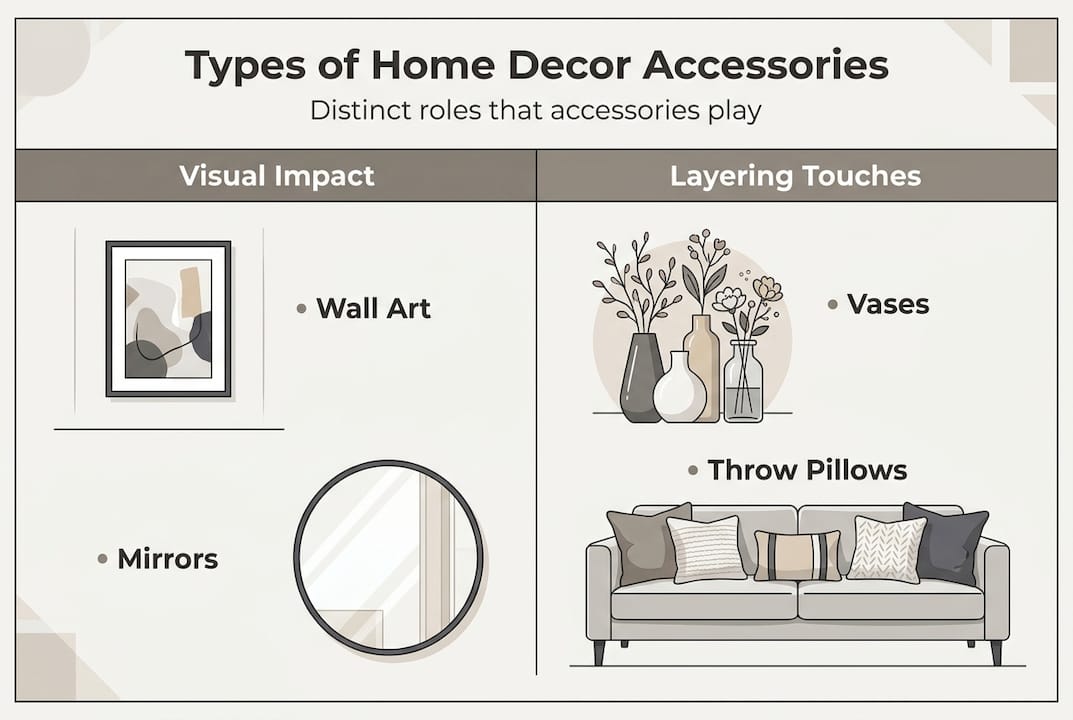
Here’s a quick-reference breakdown of the most popular accessory types and what they each bring to a space:
| Accessory type | Primary role | Design effect |
|---|---|---|
| Wall art | Focal point, color anchor | Draws the eye, sets mood |
| Throw pillows | Texture, softness | Adds warmth and visual layers |
| Vases and ceramics | Organic shape | Breaks up rigid lines |
| Candles | Ambiance, warmth | Creates intimacy |
| Plants | Life, contrast | Softens manufactured elements |
| Mirrors | Light, depth | Opens up the space visually |
| Trays and books | Grounding, order | Anchors loose groupings |
| Sculptures | Dimension, personality | Adds artistic character |
Understanding these roles helps you shop and style with purpose instead of just filling shelves. The modern art energy a well-chosen canvas brings, for example, can’t be replicated by a plain coat of paint or an expensive sofa. Accessories complete a room in ways that furniture simply cannot.
The science of visual balance: Layering and arrangement
Understanding what counts as a decor accessory is just the start. How you arrange them is what truly makes a difference.
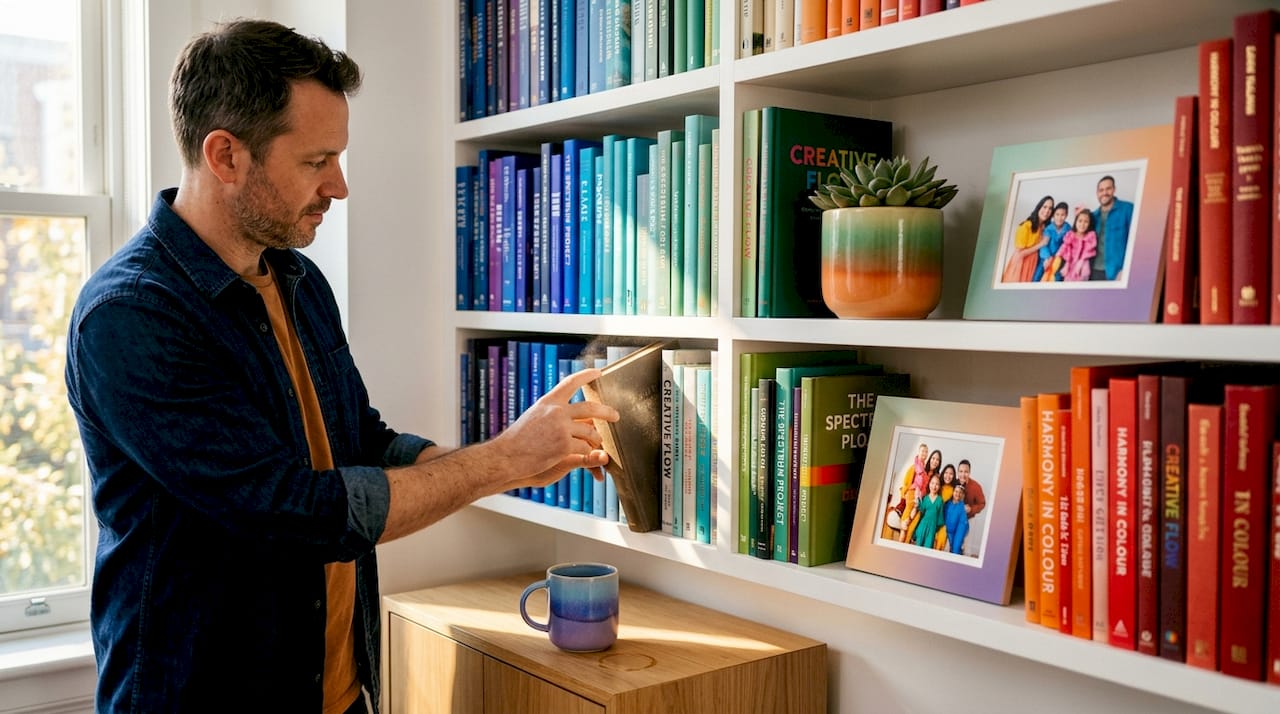
Most people place accessories randomly, one object here, one there, until the shelf or table looks busy but not beautiful. Deliberate layering is what separates a styled space from a cluttered one. The goal is to create what designers call a vignette: a small, intentional grouping of objects that tells a visual story together.
Follow these core layering principles to get it right every time:
- Vary the height. Group items at three different heights, tall, medium, and short, within every arrangement. A tall vase next to a medium candle and a small ceramic dish creates natural visual movement.
- Mix materials. Combine textures like wood, metal, glass, and ceramic within one grouping. The contrast between a matte clay vase and a shiny brass candle holder creates depth that a matching set never could.
- Group in odd numbers. Grouping in odd numbers like three or five objects consistently looks more natural and dynamic than even-numbered groupings, which tend to feel rigid and formal.
- Use trays to anchor. A tray underneath a group of accessories visually connects them into a single unit, making an arrangement look deliberate rather than scattered.
- Add at least one organic element. A small plant, a piece of driftwood, or even dried botanicals break up the manufactured quality of most decor items and introduce a sense of authenticity.
For your wall art specifically, layering applies vertically. A large canvas statement piece anchored above a console table, with a small sculptural object below and a mid-height vase beside it, creates a stacked visual that leads the eye through multiple levels. Find canvas print styling tips that help you choose scale and placement that work with your room’s proportions rather than against them.
Pro Tip: When you’re not sure if an arrangement works, step back and squint your eyes slightly. If the grouping blurs into one cohesive shape rather than a scattered collection of objects, it’s working. If individual items still pop out awkwardly, adjust heights or add a grounding tray.
Here’s a quick comparison of the two main display approaches:
| Approach | Best for | Visual feel | Common pitfall |
|---|---|---|---|
| Structured vignette | Shelves, console tables, mantels | Curated, intentional | Can feel stiff without organic elements |
| Scattered styling | Open floor plans, gallery walls | Relaxed, layered | Can look messy without a unifying element |
The best rooms typically use both. A structured vignette on the coffee table, a more relaxed gallery wall arrangement above it.
Finding your style: Symmetry, asymmetry, and visual weight
With arrangement principles in hand, the next step is matching your approach to the atmosphere and feel you want to create.
Two words come up constantly in design conversations: symmetry and asymmetry. Most people assume one is better than the other, but the real answer depends entirely on the mood you’re going for.
Symmetry means placing identical or very similar objects on either side of a central point. Think two matching lamps flanking a bed, or a pair of framed prints on either side of a fireplace. Symmetry suits formal or traditional spaces well. It creates a sense of calm, order, and refinement. If you want a room that feels composed and elegant, symmetry is your friend.
Asymmetry means arranging objects of different sizes, heights, and types in a way that still feels balanced overall. A tall floor lamp on one side of a sofa is offset by a cluster of smaller accessories on the other side. The weight feels equal, even though the objects are completely different. Asymmetry suits modern and relaxed spaces, giving rooms a collected, lived-in quality that symmetry can’t replicate.
Here’s an important distinction that most guides skip: visual weight is not the same as physical weight or even size. A small, dark ceramic pot can carry as much visual weight as a larger, light-colored vase. Visual weight is determined by color, contrast, texture, and density. A bold, high-contrast abstract canvas print, for example, carries enormous visual weight and can easily balance a heavy wooden console table on the opposite side of the room.
Understanding visual weight means you stop trying to make everything perfectly even and start trusting your eye. Here are key signals that your visual weight is balanced:
- The eye moves comfortably around the room without getting stuck
- No single corner or wall feels neglected
- Larger items are offset by groups of smaller items across the space
- Dark, heavy pieces are counterbalanced by lighter, airier ones
“Balance in design is not about perfect symmetry. It’s about ensuring that no single area of a space visually overpowers another. Train your eye to see weight, not just size.”
This mindset shift changes how you shop for accessories. Instead of buying matching sets, you start thinking about what kind of visual weight you need in a specific spot and choosing accordingly.
Building cohesive style: Steps to accessorize like a pro
Once you’ve chosen your arrangement strategy, it’s time to put it all together, one layer at a time.
The biggest mistake people make when accessorizing is starting with accessories. It sounds obvious, but most people buy decor pieces they love individually and then try to make them work together in a room. The result is a space that feels like a collection of great items rather than a cohesive whole.
The correct sequence, backed by layering decor principles, moves from large foundational pieces down to small finishing touches. Here’s the full step-by-step process:
- Lock in your furniture layout first. Furniture defines the structure of the room, the pathways, the focal points, and the functional zones. Everything else responds to it.
- Add rugs and lighting. Rugs anchor furniture groupings and define zones. Lighting sets the mood and eliminates dark corners. Together they form the atmospheric foundation.
- Layer in textiles. Curtains, throw blankets, and cushions come next. They introduce softness, color, and pattern without commitment since they’re easy to swap.
- Place your large accessories. This means wall art, mirrors, large vases, and statement sculptures. These are your room’s accent anchors and should establish the color story and visual focal points.
- Fill in with smaller accessories. Books, candles, small ceramics, coasters, and lifestyle objects complete the picture. These are the finishing details that make a space feel lived-in and personal.
When personalizing wall art choices, this sequence helps enormously. Choosing your canvas print after your furniture is in place, your rug is laid, and your lighting is set means you can pick art that genuinely responds to the room rather than fighting it.
Pro Tip: After placing all your accessories, do a “remove one” test. Take away one item from every grouping and see if the arrangement actually looks better with fewer pieces. Restraint is one of the most powerful styling tools you have. Cluttered surfaces make an entire room feel smaller and more stressful to be in.
Organic elements deserve a special mention in the final layering stage. Plants, branches, dried flowers, and natural stones introduce an element that manufactured objects can never fully replicate: life. A single trailing pothos plant on a high shelf, or a cluster of succulents on a coffee table tray, immediately softens a room that might otherwise feel too polished or catalog-like. The contrast between natural and manufactured is one of the most powerful tools in interior styling.
What most people miss about home decor accessories
Here’s a truth that seasoned decorators know well, and that most decorating guides never say out loud: copying trends is the fastest way to end up with a home that feels like it belongs to someone else.
Scroll through any design platform and you’ll see the same combinations repeated endlessly. The same neutral linen, the same arched mirror, the same ceramic bead garland. There’s nothing wrong with any of these individually. But when you assemble a room entirely from what’s popular right now, you lose the one thing that makes a home genuinely satisfying to live in: your own personality.
Accessories are the single greatest tool you have for personal expression in a space. Not because they’re expensive or rare, but because the specific combination of objects you choose, the colors you’re drawn to, the textures that feel right to you, reveals something true about who you are. A bold abstract canvas in electric blue and gold says something completely different from a soft watercolor floral, and both are valid. The question is which one you respond to, not which one is trending.
This is why art’s impact on ambiance goes deeper than aesthetics alone. The right piece of wall art doesn’t just look good. It changes how you feel in a room, every single day. Start with what resonates with you emotionally, not what you see in a catalog, and your accessories will always feel cohesive because they all come from the same authentic place.
Bring your home to life with vibrant accessories
Inspired to revamp your space? The principles in this guide point you toward one clear starting move: choose a statement piece that sets the visual tone for everything else around it.
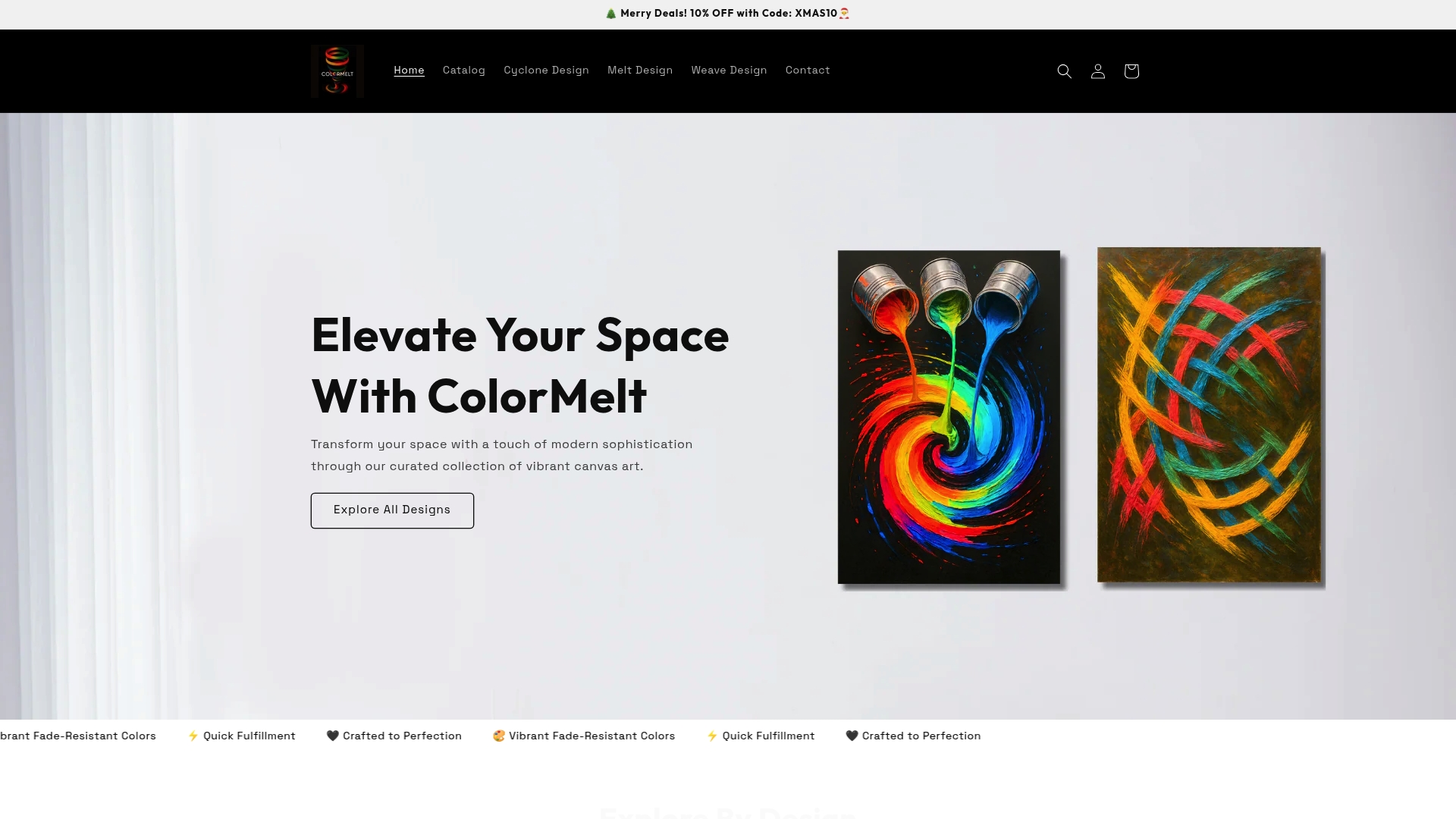
At ColorMelt, the modern wall art selection is designed for exactly this purpose. Each piece is crafted with fade-resistant colors and bold, modern motifs that work as instant focal points in any room. Whether you’re drawn to abstract movement, intricate weave patterns, or vibrant floral designs, there’s a piece built to anchor your space. For something truly distinctive, the creative wall accents collection offers textured, dimensional art that adds visual depth no flat print can match. Start with one powerful piece and let the rest of your accessories follow its lead.
Frequently asked questions
What is the difference between home decor accessories and furniture?
Accessories are non-essential decorative items like vases, wall art, and candles, while furniture is functional and structurally necessary for living in a space.
How many accessories should I use in one room?
There’s no fixed number, but grouping in odd numbers like sets of three or five consistently looks more natural and visually appealing than even groupings.
What is the best way to arrange home decor accessories?
Vary the height and material of items within each grouping, create layered vignettes, and balance visual weight across the full surface or wall for a cohesive result.
Should I use symmetry or asymmetry in my home decor?
Symmetry suits formal or traditional spaces and creates a sense of order, while asymmetry gives modern and relaxed rooms a more natural, collected feel; focus on overall visual balance in either case.