
Home Decor Tips 2026: Style Your Space With Confidence
The best home decor tips for 2026 center on warmth, texture, and intentional simplicity. Interior designers are moving away from cold minimalism and toward spaces that feel lived-in, personal, and grounded. The Houzz 2026 Summer Trends Report confirms this shift, spotlighting tactile design and warm earthy colors as the defining forces of the year. Whether you own your home or rent it, these trends are accessible, affordable, and built to last beyond a single season.
1. How can you use warm earthy colors in 2026?
Warm neutrals are the foundation of modern interior design in 2026. Shades like rust, mushroom, chocolate brown, and terracotta replace the cool grays that dominated the past decade. These colors read as grounded and inviting rather than trendy and disposable.
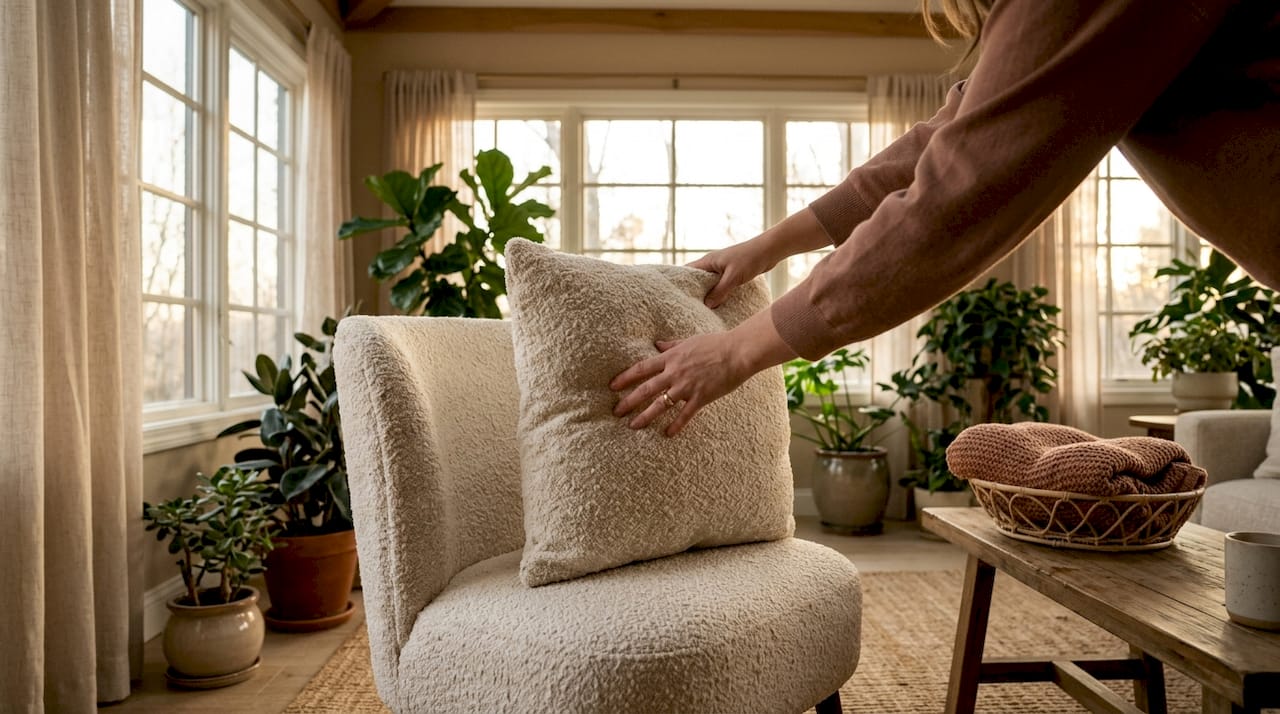
The easiest way to introduce them is through paint. A single accent wall in a deep ochre or warm clay instantly anchors a room. If you rent and cannot paint, the same effect comes from large-format art, textured rugs, or linen curtains in earthy tones.
Layering matters as much as color selection. Pair a mushroom-toned sofa with rust-colored throw pillows and a chunky knitted blanket. The combination creates depth without requiring a renovation.
- Warm whites like Benjamin Moore Simply White or White Dove work better than stark white on walls
- Rust, terracotta, and chocolate brown read as timeless rather than trendy
- Linen, cotton, and wool fabrics in earthy tones add tactile warmth at low cost
Pro Tip: Avoid all-white interiors. Designers recommend mixing warm whites with natural wood tones to prevent a clinical feel and create genuine visual comfort.
2. What textures are defining 2026 interiors?
Tactile design is the single biggest shift in 2026 home styling. Searches for scalloped tile increased by over 300%, signaling that homeowners want surfaces they can feel, not just see. That appetite extends well beyond tile.
Venetian plaster walls, textured wallpaper, and ribbed cabinetry fronts are all gaining ground. These finishes catch light differently throughout the day, which makes a room feel dynamic without adding clutter. For renters, peel-and-stick textured wallpaper panels deliver the same visual effect with zero permanent commitment.
Soft furnishings carry the texture story just as effectively. Knitted throws, boucle accent chairs, and velvet cushions layer tactile interest across a room. The goal is to make every surface invite touch, not just admiration.
Pro Tip: Scalloped tiles work in bathrooms and kitchen backsplashes. If a full tile project is out of budget, a scalloped-edge mirror or a curved-frame artwork achieves the same visual rhythm at a fraction of the cost.
3. What furniture arrangement tips work best for small spaces?
Small-space decorating in 2026 follows one clear rule: every piece must earn its place. The “less but better” philosophy means choosing fewer, more versatile items over filling every corner. A 30-inch swivel chair, for example, outperforms a bulky loveseat in rooms under 400 square feet. It takes up less floor space, rotates to face guests, and reads as intentional rather than cramped.
Furniture placement is equally critical. The rule of three anchors a seating area with a sofa, two chairs, and a coffee table pulled toward the center of the room. Pushing furniture against walls is the most common layout mistake. Grouping pieces inward creates intimacy and improves traffic flow simultaneously.
- Pull seating away from walls by at least 12 inches
- Use a swivel chair instead of a second sofa in tight rooms
- Choose a round coffee table to soften angles and ease movement
- Select furniture with exposed legs to keep the floor visible and the room feeling open
- Use vertical space with tall shelving rather than wide, low units
Pro Tip: For renters, removable décor accents like plug-in pendant lights and fiber wall art add personality without touching a single wall permanently.
4. Which lighting choices create a cozy modern ambiance?
Lighting is the fastest way to change how a room feels without moving a single piece of furniture. Lighting experts recommend warm-white bulbs in the 2700K–3000K range for living spaces. Cooler bulbs above 4000K read as clinical and flatten the warmth that earthy colors and textures work hard to create.
Layering three types of light produces the most polished result. Ambient light (overhead fixtures or recessed lighting) sets the base. Task lighting (reading lamps, under-cabinet strips) adds function. Accent lighting (picture lights, LED strips behind shelving) creates depth and draws the eye to focal points like artwork or a textured wall.
- Swap overhead fixtures for warm-toned pendants to shift a room’s entire mood
- Use floor lamps with fabric shades to diffuse light softly
- Add plug-in sconces for renters who cannot hardwire new fixtures
- Dimmer switches on existing overhead lights cost under $20 and dramatically change ambiance
The most underused lighting trick is placing a lamp behind a sofa or in a corner. That indirect glow makes a room feel larger and more layered than a single overhead source ever can.
5. How to refresh your home affordably with accessories
Affordable home styling in 2026 relies on accessories, not renovations. Interior designers point to subtle warm tones like muted pinks, peach, and soft orange as the year’s most accessible color update. These shades work as throw pillows, vases, or small framed prints without requiring a full room repaint.
Fruit motifs and playful botanical patterns are appearing on everything from cushion covers to ceramic vases. They add seasonal charm and a sense of personality that plain neutrals cannot. The key is restraint: one or two patterned pieces against a neutral backdrop reads as curated, not chaotic.
Patterned sofas are gaining traction as a smarter long-term buy than plain fabric. A subtle geometric or botanical weave hides wear better than solid upholstery and adds visual interest that a throw pillow alone cannot replicate.
- Swap throw pillow covers seasonally rather than buying new pillows
- Add a colorful statement wall piece to anchor a neutral room
- Use a decorative tray to group three small objects on a coffee table for instant polish
- Replace generic frames with ones in warm metals like brass or antique bronze
Pro Tip: Keep surfaces uncluttered. Managing visual rest means limiting tabletop displays to two or three items maximum. Restraint reads as confidence.
| Update Type | Cost Range | Impact Level |
|---|---|---|
| Throw pillow covers | Low | High |
| Colorful wall art | Low to medium | Very high |
| Textured area rug | Medium | High |
| New lampshade | Very low | Medium |
| Decorative vase or ceramic | Low | Medium |
6. What eco-friendly decor practices are rising in 2026?
Sustainable home decor is no longer a niche preference. Reclaimed wood and VOC-free paints are entering mainstream design because they protect indoor air quality and reduce manufacturing waste. A reclaimed wood shelf or coffee table carries visual character that new furniture rarely replicates.
VOC-free paints deserve particular attention. Standard paints off-gas volatile organic compounds for months after application. Low-VOC and zero-VOC options from brands like Benjamin Moore Natura or Sherwin-Williams Harmony cost roughly the same and perform equally well.
Shopping vintage and estate sales is the most sustainable decor move available. Secondhand furniture carries zero manufacturing footprint and adds character that mass-produced pieces cannot match. Modular furniture extends this logic: pieces that reconfigure as your needs change reduce the cycle of buying and discarding.
- Choose reclaimed wood for shelving, coffee tables, or accent walls
- Use recycled glass vases and decorative objects as stylish sustainable accents
- Select modular shelving systems that adapt to new layouts without replacement
- Prioritize natural fiber textiles like jute, linen, and organic cotton over synthetics
Key Takeaways
The most effective home decor strategy for 2026 combines warm earthy colors, layered textures, and intentional furniture placement to create spaces that feel personal, functional, and genuinely inviting.
| Point | Details |
|---|---|
| Prioritize warm color palettes | Rust, mushroom, and terracotta replace cool grays as the dominant 2026 tones. |
| Layer textures deliberately | Combine scalloped surfaces, boucle fabrics, and Venetian plaster for tactile depth. |
| Arrange furniture inward | Pull seating away from walls and use the rule of three to improve flow and intimacy. |
| Use warm-white lighting | Bulbs in the 2700K–3000K range create ambiance that earthy colors and textures need. |
| Refresh with accessories first | Throw pillows, wall art, and small ceramics deliver the highest style return per dollar spent. |
What I’ve learned from watching 2026 trends up close
The most honest thing I can say about 2026 decor trends is this: the best-looking rooms I have seen are not the ones that followed every trend. They are the ones where the homeowner made deliberate choices and then stopped.
The “less but better” philosophy sounds simple, but it is genuinely hard to practice. The instinct is to fill space. Empty corners feel unfinished. Bare walls feel cold. But every time someone resists that instinct and leaves a surface clear, the room breathes. The pieces that remain carry more weight.
What I find most interesting about 2026 specifically is the rejection of performance decorating. The all-white, perfectly staged aesthetic that dominated social media for years is losing ground to spaces that look like someone actually lives in them. Warm woods, worn textures, and slightly imperfect ceramics are winning because they feel honest.
For renters especially, the lesson is to invest in portable, high-impact pieces rather than trying to work around limitations. A single strong piece of wall art does more for a room than six mediocre ones. Plug-in lighting beats a bare bulb every time. The constraint of renting forces a kind of editing that owners often skip, and the results are frequently better for it.
— Shlomo
Colormelt’s wall art collection for your 2026 refresh
Color is the fastest way to shift a room’s energy, and wall art is the most flexible vehicle for it. Colormelt’s curated wall art collection spans abstract, weave, cyclone, and floral designs in fade-resistant, gallery-quality prints. Each piece ships quickly and arrives ready to hang.
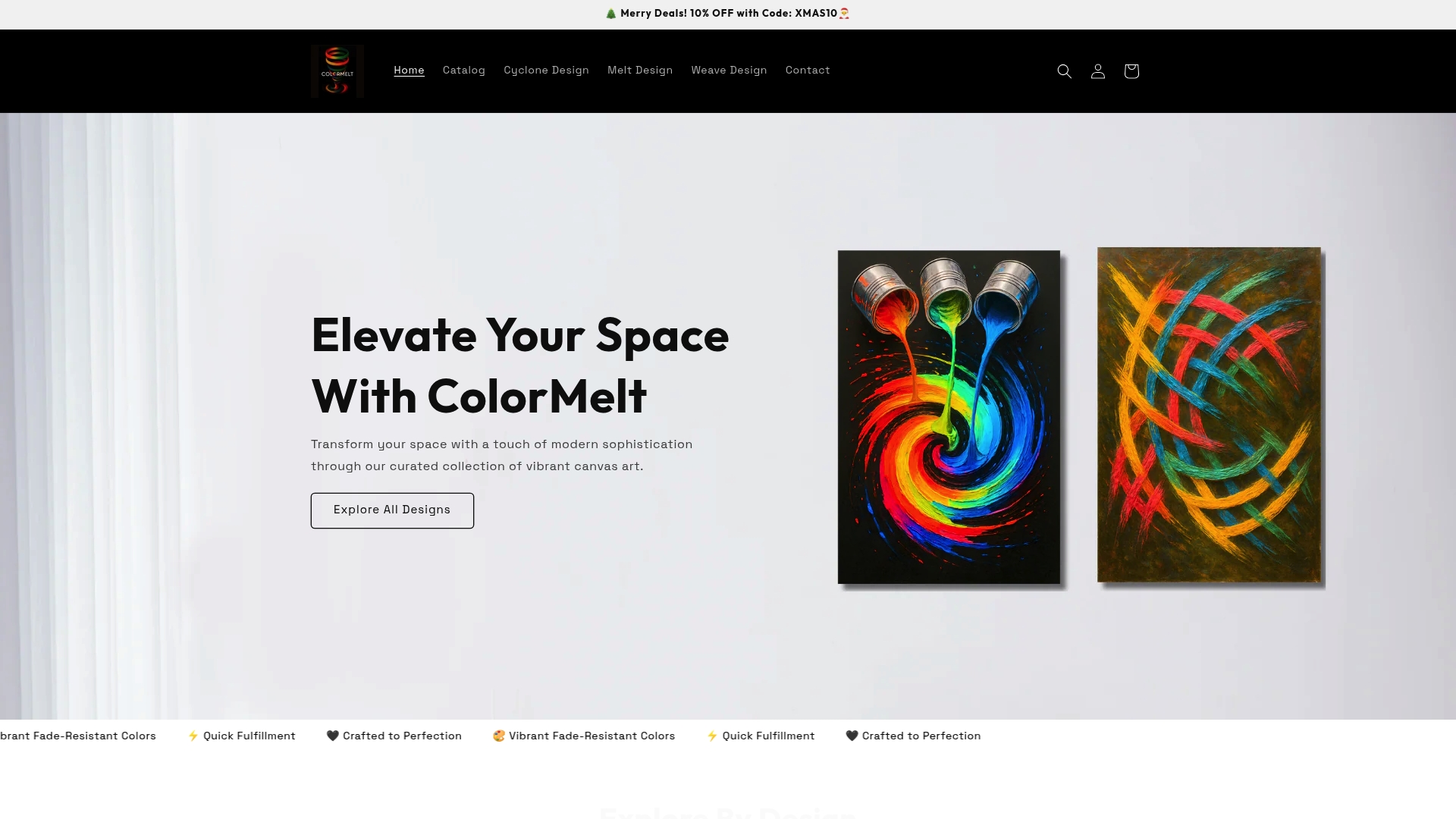
Whether you want a single bold canvas to anchor a neutral living room or a set of smaller prints to build a gallery wall, Colormelt offers options at multiple price points. The Cyclone Design brings the warm, dynamic color contrasts that define 2026 interiors directly to your wall. Canvas, acrylic, wood, and framed formats mean you can match the piece to your space rather than the other way around.
FAQ
What are the top color trends for home decor in 2026?
Warm earthy tones including rust, terracotta, mushroom, and chocolate brown lead 2026 color trends. Warm whites like Benjamin Moore Simply White pair with natural wood to replace the cool gray palettes of recent years.
How can renters follow 2026 decor trends without permanent changes?
Renters can use removable textured wallpaper, plug-in pendant lights, and fiber wall art to add personality without touching walls permanently. Swivel chairs, modular shelving, and large-format art deliver high impact with zero lease risk.
What is the rule of three in furniture arrangement?
The rule of three places a sofa, two chairs, and a coffee table in a grouped arrangement pulled away from walls. This layout improves room flow, encourages conversation, and avoids the flat look of furniture pushed to the perimeter.
Is eco-friendly home decor more expensive in 2026?
Not necessarily. Shopping vintage and estate sales costs less than buying new and carries zero manufacturing footprint. VOC-free paints from brands like Benjamin Moore Natura and Sherwin-Williams Harmony are priced comparably to standard options.
What lighting color temperature works best for living spaces?
Warm-white bulbs in the 2700K–3000K range create the most inviting ambiance for living rooms and bedrooms. Cooler temperatures above 4000K read as clinical and undercut the warmth that 2026 earthy color palettes are designed to deliver.