
What Defines Home Decor Trends: 2026 Guide
Home decor trends are not random shifts in taste. They are the visible surface of deeper cultural, economic, and psychological forces at work. Understanding what defines home decor trends in 2026 means looking past the seasonal mood boards and Pinterest aesthetics to see what is actually driving the way people design their spaces. Spoiler: social media has compressed trend cycles to nearly nothing, and a significant backlash is already reshaping how consumers think about decorating. This guide breaks down every layer.
Table of Contents
- Key takeaways
- What defines home decor trends today
- The shift toward timeless, emotional design
- Core elements of home decor trends in 2026
- How to identify and apply trends to your space
- What’s driving the future of home decor
- My take on what actually matters
- Bring your space to life with Colormelt
- FAQ
Key takeaways
| Point | Details |
|---|---|
| Social media drives and distorts trends | Algorithms accelerate trend cycles, causing billions in wasted spending on decor abandoned within months. |
| Emotional Architecture is the 2026 anchor | Design is shifting toward how spaces feel daily, not how they photograph for a single post. |
| Timeless beats trendy for most buyers | 68% of homeowners under 40 now prioritize lasting design over on-trend aesthetics. |
| The 80/20 rule protects your investment | Spend 80% on permanent infrastructure, 20% on swappable accents to stay current without overhauling. |
| Sustainability is reshaping material choices | Natural, heirloom-quality materials are replacing fast furniture as the environmental cost becomes undeniable. |
What defines home decor trends today
Most people assume a trend begins when a celebrity redesigns their living room or when a particular paint color explodes on social media. The reality is more layered. What shapes interior design trends is a mix of cultural mood, economic conditions, technological platforms, and a collective psychological hunger for spaces that feel meaningful rather than performative.
The clearest example right now is the collision between two opposing forces. On one side, TikTok and Instagram algorithms have compressed the trend cycle from years to months, pushing consumers to redecorate constantly. On the other side, a growing segment of homeowners is exhausted by this cycle and actively choosing to step off it.
How social media changed the trend cycle
Before platforms like TikTok existed, a decor trend might take two or three years to travel from a trade show in Milan to a mainstream retailer. Now it takes weeks. A single viral video can create demand for a specific lamp style, a particular shade of terracotta, or an entire aesthetic framework overnight.
The consequences are significant:
- Americans waste $8.7 billion annually on social media-driven decor purchases abandoned within a year
- 60% of decor purchases are directly influenced by social media content
- Furniture waste has increased 450% since 1960 as fast furniture replaces heirloom pieces
- The average U.S. household spends $1,598 on decor each year, much of it reactively
The psychological cost is real too. Chasing a look that was designed for a camera rather than a life leaves most people feeling vaguely dissatisfied with their homes, even after spending significantly. The #deinfluencing movement emerged directly from this fatigue, with creators encouraging followers to stop buying things they do not actually need and to focus instead on decor that has personal resonance.
“Rooms designed for viral photos often fail functionality and daily usability.” — Top Interior Design Trends 2026
The shift toward timeless, emotional design
The most significant force reshaping how to identify home decor trends in 2026 is not a color palette or a furniture silhouette. It is a philosophical shift about what a home is supposed to do for the people living in it.
Interior design in 2026 centers on Emotional Architecture, a framework that evaluates design choices based on how rooms feel on a regular Tuesday morning, not how they look in a staged photo shoot. This means prioritizing natural light, sensory comfort, acoustic softness, and spatial flow over purely visual drama.
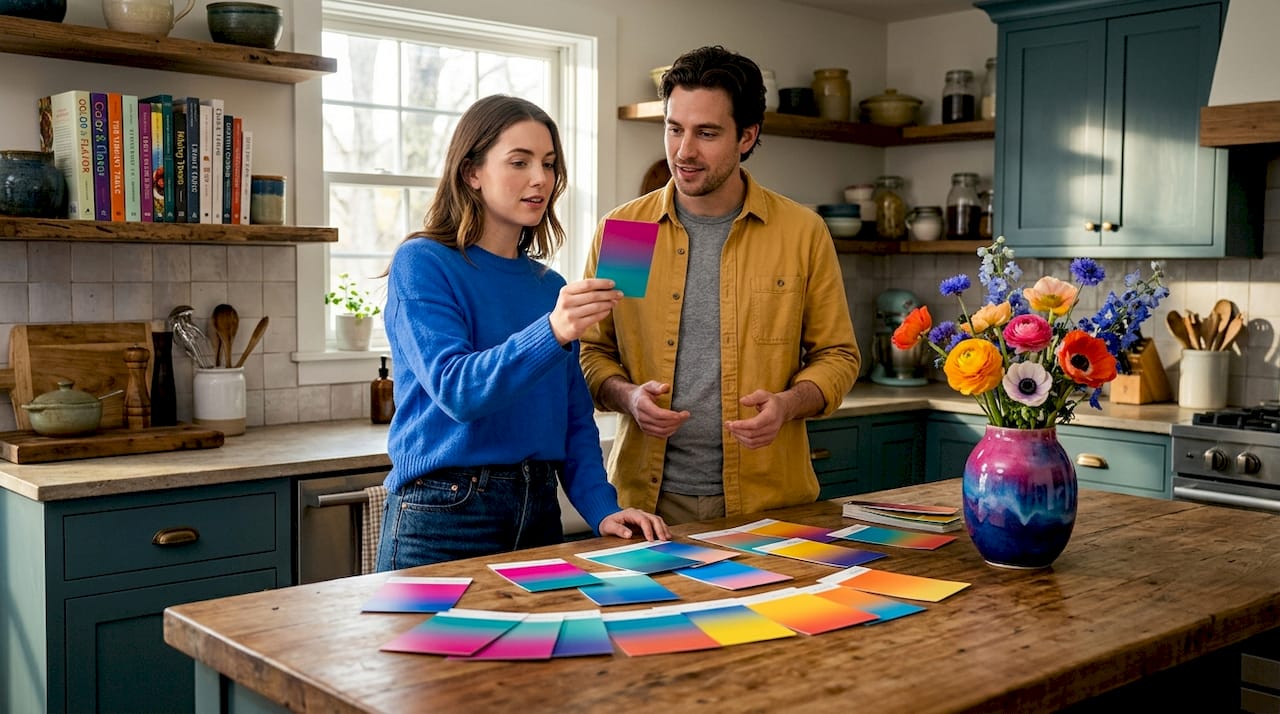
Running parallel to this is the rise of Quiet Luxury. This aesthetic is not about minimalism for minimalism’s sake. It is about investing in fewer, better things. Think textured linen instead of polyester throws, solid walnut instead of laminate shelving, handmade ceramics instead of mass-produced shelf decor. Sales of premium natural fiber collections increased 40% between Q4 2025 and Q1 2026, confirming that consumers are spending more deliberately.
Key characteristics of this emotional design shift include:
- Tonal layering: Building depth through shades of the same color family rather than sharp contrasts
- Textural richness: Combining rough and smooth surfaces, matte and sheen finishes within a single room
- Restrained palettes: Warm neutrals as a foundation, with one or two carefully chosen accent materials
- Craftsmanship focus: Visible joinery, hand-finishing, and material honesty over glossy perfection
Pro Tip: Before buying any new decor piece, ask yourself how it will feel to walk past it every day for five years. If the answer is uncertain, wait.
“68% of homeowners under 40 prioritize timeless design over on-trend aesthetics.” — Houzz, February 2026
Core elements of home decor trends in 2026
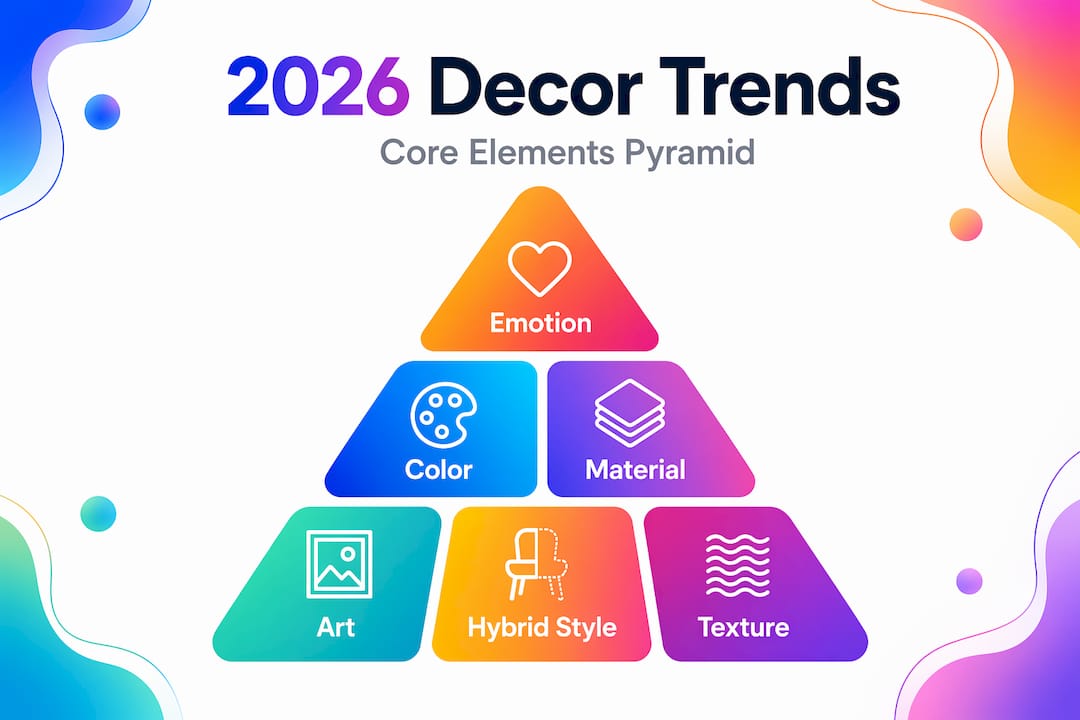
Understanding the key elements of home decor in 2026 requires looking at both the aesthetic vocabulary and the underlying values driving those choices. This is not about listing the hottest colors. It is about understanding why specific combinations are resonating right now.
Color and material choices
| Trend Element | What It Looks Like | Why It’s Resonating |
|---|---|---|
| Warm neutrals | Ochre, warm taupe, bone white | Emotional warmth without visual noise |
| Natural materials | Solid wood, linen, stone, rattan | Longevity, tactile comfort, sustainability |
| Emotional chromaticism | Moody greens, clay tones, dusty rose | Connection to nature and psychological calm |
| Mixed metals | Aged brass with matte black | Curated, lived-in feel over sterile perfection |
Style hybrids shaping modern interiors
The most interesting modern home decor trends happening right now are not single aesthetics but fusions. Four worth knowing:
Modern Heritage blends contemporary silhouettes with traditional craft techniques. Think a clean-lined sofa upholstered in a hand-loomed textile, or a minimalist room anchored by an antique kilim rug.
Curated Abundance is the counterpoint to stark minimalism. It layers meaningful objects, family artifacts, books, and art in a way that reads as intentional richness rather than clutter.
Scanditalia is exactly what it sounds like: the functional restraint of Scandinavian design meeting the warmth and material generosity of Italian interiors. The result is spare layouts with deeply sensory materials.
Art-Driven Interiors build an entire room around a single strong artwork, treating the walls as the primary design decision rather than an afterthought. Art transforms a living room’s mood, scale, and emotional temperature in ways that furniture rearrangement alone cannot.
How to identify and apply trends to your space
Knowing what the latest trends in home styling are is only half the equation. The harder part is figuring out which ones actually belong in your home.
The most practical framework for this is the 80/20 spending rule. The logic is straightforward: invest 80% of your decor budget in permanent infrastructure, things like flooring, lighting, built-ins, and upholstered staples that will last 15 to 30 years. Save the remaining 20% for swappable accessories such as art, textiles, plants, and decorative objects that can evolve every few years without a full renovation.
Here is how to put it into practice:
- Audit your permanents first. Walk through your space and identify what is fixed: floors, walls, large furniture. Are these choices you can live with for a decade? If not, they need attention before you think about accessories.
- Assess spatial flow before styling. Spatial logic and usability matter far more than any surface styling choice. A room that does not flow well will feel wrong no matter what is on the walls.
- Test color emotionally, not just visually. Paint a large swatch and live with it for a week across different lighting conditions. How does it feel at 7 a.m.? At 9 p.m.? That difference matters.
- Use art as a directional signal. Choose a piece of art you genuinely connect with, then build the room outward from it. This produces far more cohesive results than selecting decor items and adding art as a finishing step.
Pro Tip: When browsing social media for inspiration, save images for a week before purchasing anything. If you are still drawn to the same pieces after seven days, it is preference. If the pull has faded, it was the algorithm, not you.
What’s driving the future of home decor
Several larger forces are steering influences on home decor styles beyond 2026. Understanding them helps you make decisions today that will age well.
- Fast furniture is losing ground as buyers recognize that solid wood develops patina while synthetic laminates simply deteriorate
- Economic stability and gradually stabilizing mortgage rates are encouraging homeowners to treat their spaces as long-term investments
- 54% of U.S. homeowners undertook renovation projects in 2025, with Gen Z particularly active in thoughtful interior remodeling
- Restorative and neurowellness-driven design is emerging as a macro trend, focusing on how interiors actively support mental health
“Consumers are embracing ‘conscious permanence’: rejecting disposable decor in favor of long-term investment pieces that improve with age.” — Artfasad
Cultural fatigue with overly themed, performative spaces is also accelerating this shift. The industry consensus in 2026 is clearly moving toward spaces that reflect the actual personality of the people living in them, not the curated identity of a social media persona.
My take on what actually matters
I have spent years watching people redecorate their homes in response to whatever aesthetic is dominating their feeds. And without fail, the ones who are happiest with their spaces six months later are the ones who ignored most of it.
What I have learned is that trends are useful as orientation, not instruction. Knowing that warm neutrals are resonating right now tells you something real about the cultural mood. But taking that information and painting every room terracotta because it is trending is a different thing entirely, and usually a regretful one.
The spaces I have seen work best emotionally, the ones people actually want to come home to, have two things in common. They feel like they belong to the person living there. And they were built around function first, with beauty layered on top. The art, the textiles, the objects: they were chosen because they meant something, not because they photographed well.
Choosing quality wall art that you genuinely respond to will serve you longer than any trend. The investment in a piece you love is not decorating. It is designing a space worth living in.
— Shlomo
Bring your space to life with Colormelt
If the shift toward emotional, art-driven interiors speaks to you, Colormelt’s curated wall art collections were built for exactly this moment.
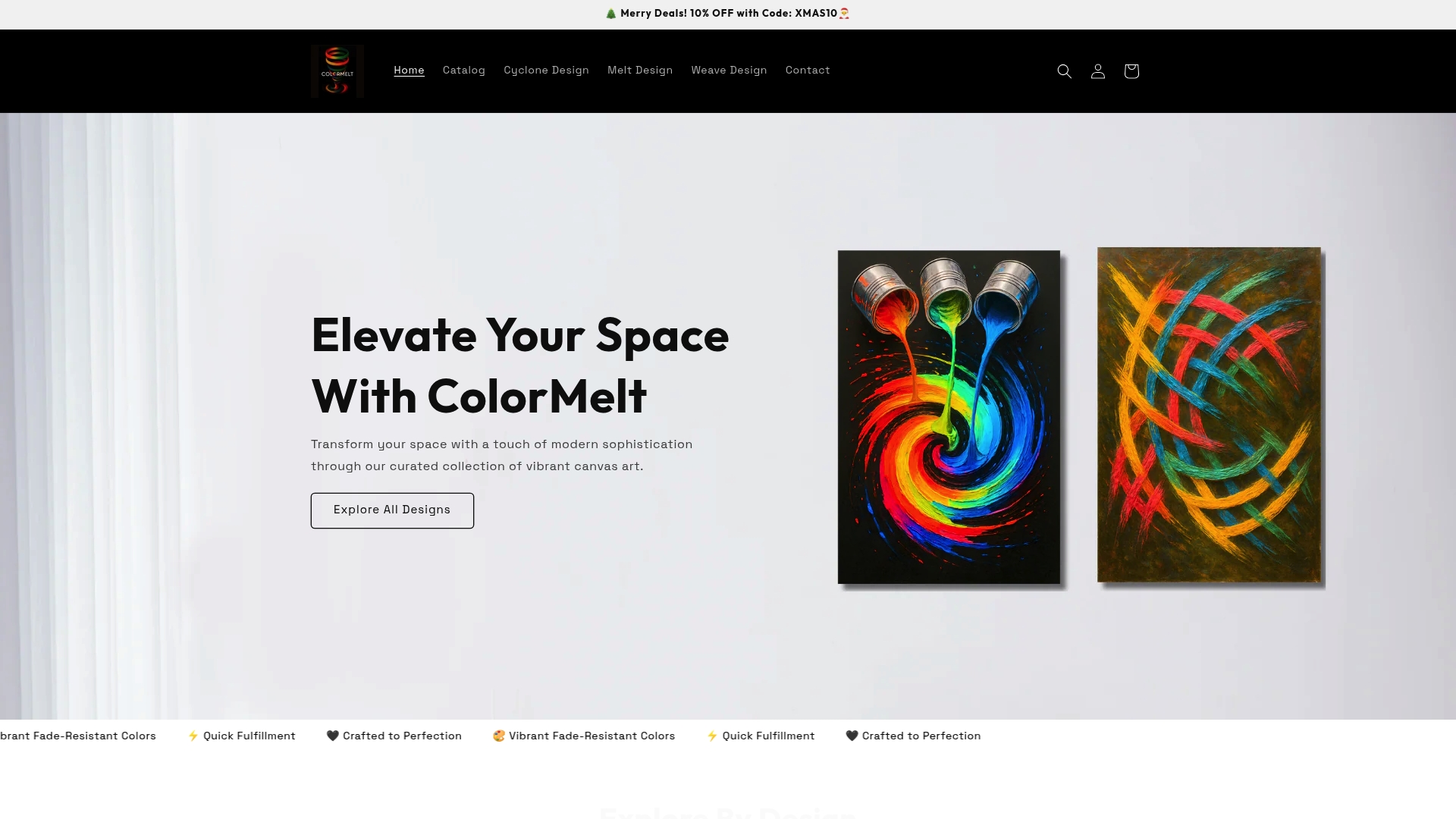
Colormelt offers wall art collections designed to anchor a room with genuine visual weight, from vibrant abstract canvas prints to handcrafted weave designs and bold cyclone motifs. Every piece is made with fade-resistant colors and crafted quality, meaning you are not buying something to swap out next season. You are choosing something that grows with your space. Browse the full collection and find the piece that your room has been waiting for.
FAQ
What defines home decor trends?
Home decor trends are shaped by a combination of cultural mood, economic conditions, social media influence, and psychological shifts in how people want to feel in their spaces. In 2026, the defining force is a move toward emotional comfort and design longevity over fleeting visual styles.
How can I identify home decor trends worth following?
Look for trends that align with timeless principles like quality materials, spatial flow, and emotional resonance. If a trend is driven purely by algorithm virality, it is unlikely to satisfy you long-term.
What are the key elements of home decor in 2026?
Warm neutrals, natural materials, textural layering, and art-driven interiors are the standout elements this year. The common thread is a preference for lived-in warmth over sterile staging.
How does social media influence home decor styles?
Social media compresses the trend cycle dramatically, turning what was once a multi-year shift into a matter of weeks. This drives impulsive purchases and contributes to billions in wasted spending on decor that is abandoned within months.
Is it better to follow trends or invest in timeless decor?
Both can work together using the 80/20 rule: commit the majority of your budget to permanent, quality pieces and use a smaller portion for trend-forward accents. This approach keeps your space current without requiring constant overhauls.