
Acrylic prints explained: the modern wall art upgrade
Walk into any design-forward home and you’ll likely spot it: a piece of wall art with an almost liquid depth, colors so vivid they seem lit from within, and a surface that looks like glass but isn’t. That’s an acrylic print, and it’s one of the most misunderstood products in the home decor world. Many shoppers confuse it with canvas, metal, or even framed photo prints. Once you understand what makes acrylic unique, though, the choice becomes much clearer. This guide covers exactly what acrylic prints are, how they’re made, and how to use them well in your space.
Table of Contents
- What is an acrylic print?
- How are acrylic prints made? Face-mount vs. direct-print
- Acrylic vs. other print types: key advantages and drawbacks
- Choosing and displaying acrylic prints: practical tips for your space
- What most guides miss about acrylic prints in real homes
- Bring acrylic style into your space with ColorMelt
- Frequently asked questions
Key Takeaways
| Point | Details |
|---|---|
| Acrylic prints defined | Acrylic prints are high-gloss photo artworks created by mounting images behind or printing directly onto clear acrylic sheets. |
| Production methods matter | Face-mount and direct-print techniques create different looks and durability levels for your wall art. |
| Advantages and trade-offs | Acrylic prints offer vibrant color and water resistance but require careful handling to avoid scratches and glare. |
| Display tips | Picking the right spot with good lighting and proper mounting ensures your acrylic print looks its best and lasts. |
What is an acrylic print?
Most people assume wall art comes in two forms: canvas or framed paper. Acrylic prints are different, and that difference shows the moment you see one in person.
An acrylic print is a wall art photo or image displayed behind or across a clear acrylic (PMMA) sheet, either by face-mounting a printed photo to the acrylic or by printing the image directly onto the back of the acrylic. PMMA stands for polymethyl methacrylate, which is essentially a high-clarity plastic that’s lighter and more shatter-resistant than glass. The result is a rigid, glossy surface that gives photos and artwork an almost three-dimensional presence.
Here’s what separates acrylic prints from other types of art prints you might already know:
- Canvas prints are printed directly on fabric stretched over a wooden frame. Texture-forward, matte, and warm in feel.
- Metal prints are printed on aluminum sheeting. Smooth and modern, but with a cooler tone and less color depth.
- Framed paper prints are classic photographs or artwork behind glass in a frame. Traditional and versatile.
- Acrylic prints sit in front of or behind a clear acrylic sheet, producing vibrant, saturated colors with a distinctive gloss and depth.
“When you look at an acrylic print, you’re not just seeing an image on a surface. You’re seeing light pass through a clear medium and reflect back at you, which creates that signature luminous quality.”
The depth effect is real. Light refracts slightly through the acrylic layer before reaching your eye, which makes colors pop in a way that paper-based prints simply can’t replicate. For abstract art, bold graphics, and high-contrast photography, this effect is particularly striking.
| Feature | Acrylic print | Canvas print | Metal print |
|---|---|---|---|
| Surface finish | High gloss | Matte/textured | Semi-gloss |
| Color vibrancy | Very high | Moderate | High |
| Depth effect | Strong | None | Moderate |
| Weight | Moderate to heavy | Light | Light to moderate |
| Fragility | Scratch-sensitive | Durable | Very durable |
How are acrylic prints made? Face-mount vs. direct-print
Once you know what an acrylic print is, the next question is: how do companies actually make them? The answer matters because it directly affects what you get in terms of color, depth, and long-term durability.
There are two production methods: face-mounting, where a print on paper is bonded behind clear acrylic, and direct-printing, where UV-cured ink is applied directly onto the back of an optically clear acrylic sheet. Both methods are widely offered, and each has distinct advantages.
Face-mount printing is considered the more traditional high-end approach. Here’s how it works:
- A high-resolution photo or image is printed on photographic or fine art paper.
- The printed surface is bonded face-forward to the back of a clear acrylic sheet using a special optical adhesive.
- The adhesive is cured, creating a seamless bond between the print and the acrylic.
- The assembly is mounted to a backing board or fitted with standoff hardware for display.
The layering of paper plus adhesive plus acrylic creates that classic, deep “underwater” look that face-mount prints are famous for. Colors appear to float just beneath the surface.
Direct-print (UV printing) is a newer method where:
- An acrylic sheet is fed through a flatbed UV printer.
- Ink is applied and cured directly onto the back of the acrylic in a single pass.
- The result is a print that’s essentially part of the acrylic material itself, with no adhesive layer involved.
The key decision between these methods is whether you want face-mounted (paper plus adhesive plus acrylic) versus direct-to-acrylic printing; both affect the depth of color and the glass-like feel of the final piece. Face-mount tends to have more perceived depth. Direct-print is often thinner, lighter, and slightly more scratch-resistant since there’s no adhesive layer that can yellow or peel over time.
Pro Tip: If maximum color depth and that signature acrylic “glow” matter most to you, ask specifically for face-mounted acrylic prints. If you want a slightly slimmer profile and less concern about adhesive aging, direct-print is a solid pick.
The method also affects cost. Face-mounting requires more materials and labor, so it typically carries a higher price tag. Direct-print is often more accessible and faster to produce.
When you’re looking at circular acrylic triptych designs or modern acrylic wall art for your living room gallery wall, understanding the production method helps you evaluate whether you’re getting value for what you spend.
| Production method | Color depth | Weight | Adhesive concern | Cost |
|---|---|---|---|---|
| Face-mount | Very deep | Heavier | Possible yellowing over decades | Higher |
| Direct-print (UV) | Good | Lighter | None | Lower to mid |
Acrylic vs. other print types: key advantages and drawbacks
Understanding how acrylic prints are made helps you see why they’re genuinely different from other wall art options. But no material is perfect. Knowing both the strengths and the trade-offs puts you in a much better position when shopping.
The real advantages of acrylic prints
The most obvious strength is color vibrancy. Because the image sits behind or within a clear medium that refracts light, colors are noticeably brighter and more saturated than on canvas or paper. Abstract designs and bold color blocks in particular look exceptional in this format.
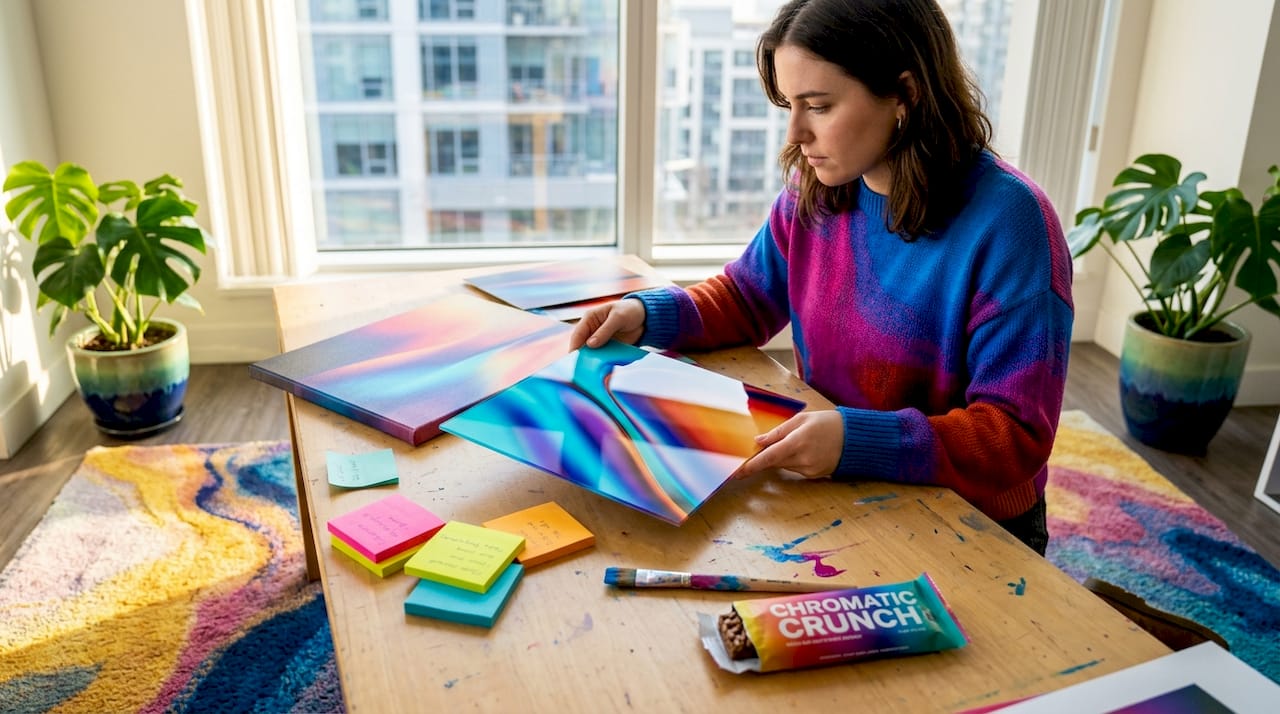
Acrylic prints are also more resistant to moisture and dust than paper-only prints because the image is sealed under a clear acrylic surface. That makes them a practical choice for kitchens, bathrooms, or entryways where humidity fluctuates. They won’t warp, bubble, or fade from standard indoor conditions the way unprotected paper prints can.
UV resistance is another genuine plus. While no print should hang in direct sunlight indefinitely, acrylic provides a meaningful layer of UV protection compared to an uncoated paper print exposed to a sunny wall.
The aesthetic factor is harder to quantify but very real. Acrylic prints simply look expensive. The combination of gloss, depth, and clean modern presentation elevates them in a way that canvas and basic framed prints can’t always match. For anyone decorating a minimalist or contemporary interior, this is a major draw.
The trade-offs you should know
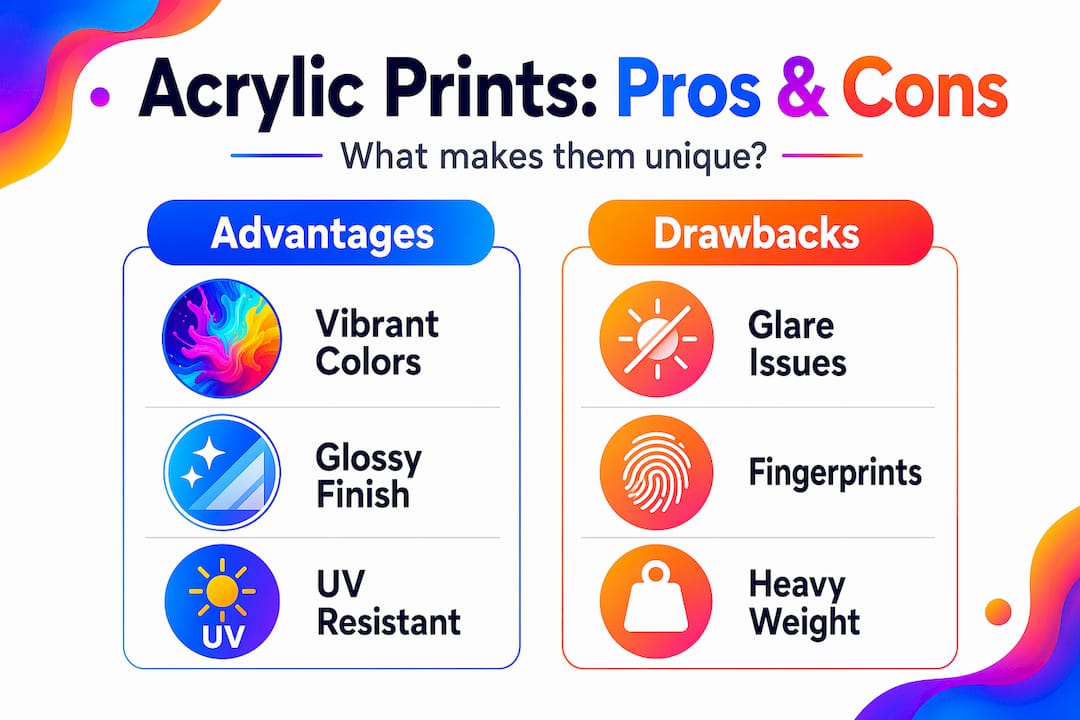
Common trade-offs with acrylic prints include glare on glossy surfaces, fingerprints and smudges showing more easily, heavier weight versus some alternatives, and the possibility of scratching if not cleaned carefully.
Glare is probably the most reported complaint from buyers who didn’t anticipate it. In a room with windows directly facing the artwork, the reflective surface can catch light in a way that obscures the image. This is manageable with smart placement, but it’s worth knowing before you order a large piece.
Weight is a practical concern. A large acrylic print can be significantly heavier than a comparable canvas print, which means you need to be confident your wall anchor can handle the load.
Check out these modern art decor tips if you want room-by-room guidance on handling glare, weight, and placement together.
Here’s a quick breakdown of when acrylic is the right call versus when to consider alternatives:
- Choose acrylic when you want bold, vivid colors with a modern gallery look
- Choose canvas when you want warmth, texture, and a softer aesthetic
- Choose metal when durability and a cool contemporary look are priorities
- Choose framed paper when you want the traditional fine art or photographic feel
Choosing and displaying acrylic prints: practical tips for your space
With the trade-offs in mind, the good news is that most of the challenges with acrylic prints are easy to manage with some advance planning. Here’s how to get the best results in your home.
1. Control your lighting angle first
Glossy acrylic in bright rooms can create reflections and glare, so consider lighting angles and placement before committing to a spot. Side-lit walls (where light comes from the side rather than directly in front) tend to showcase acrylic prints beautifully. Rooms with direct window light facing the wall are trickier.
If your room is very bright, ask about non-glare or museum-grade acrylic options. These use a slightly textured or anti-reflective coating to reduce glare while preserving color quality. The trade-off is a small reduction in that signature gloss, but many homeowners find it a worthwhile compromise.
2. Safe cleaning practices
Cleaning acrylic prints the wrong way is the number one cause of surface damage. Follow these steps:
- Use a dry or lightly damp microfiber cloth.
- Wipe in slow, gentle circular motions.
- Never use paper towels, which can leave micro-scratches.
- Avoid household glass cleaners, ammonia, or bleach-based products.
- For stubborn smudges, a tiny drop of dish soap on a damp microfiber cloth works well.
Pro Tip: Keep a dedicated microfiber cloth near your acrylic prints so you’re never tempted to grab a paper towel in a hurry.
3. Hanging in rentals without causing damage
For renters, damage-free hanging is often possible using adhesive strips or hooks, but product selection and weight limits matter. For smaller acrylic prints under roughly five pounds, heavy-duty adhesive strips work well. Read the weight rating carefully and use multiple strips to distribute load.
For larger pieces, standoff hardware (the floating metal mounts that hold the acrylic away from the wall for a dramatic floating effect) typically requires drilling. In a rental, this means getting landlord permission first. It’s often worth asking, since small holes are usually easy to patch at move-out.
4. Selecting the right size and style
Size selection is about proportion. A small acrylic print on a large wall can look lost. As a general rule, your artwork should occupy roughly 60 to 75 percent of the available wall space. For a sofa wall, that means measuring the width of your sofa and selecting a piece or arrangement that spans at least 60 percent of that width.
Style-wise, consider your room’s color palette before ordering. Acrylic prints amplify saturation, so a deeply colorful piece in an already busy room can feel overwhelming. In neutral spaces, though, a single bold acrylic print can serve as the focal point that ties the entire room together.
Explore options like modern acrylic wall decor and vibrant triptych acrylic options when thinking about multi-panel arrangements that can fill a large wall without needing a single oversized piece.
What most guides miss about acrylic prints in real homes
Here’s something worth saying directly: most buying guides treat acrylic prints as a set-and-forget product. Order it, hang it, done. Real experience in actual homes tells a different story.
The “wow factor” of acrylic is real, but it’s also environment-dependent in a way that canvas and metal art simply aren’t. An acrylic print in a thoughtfully lit, minimally decorated room looks incredible. That same print hung in a high-traffic hallway with overhead fluorescent lighting and kids running past it every day is a recipe for fingerprints, minor scratches, and frustrating glare.
This isn’t a reason to avoid acrylic. It’s a reason to be intentional. The best acrylic placements we’ve seen are calm spaces where the art can actually be appreciated: living room feature walls, bedroom headboard walls, home offices, and dining room focal points. These are spaces where people slow down and look.
High-traffic areas like entries and hallways benefit from matte-finish alternatives or from acrylic prints with anti-reflective coating. If you’re putting art in a space where people brush past it daily, plan for that reality from the start.
There’s also a point about “timeless” art that rarely gets discussed. What makes art feel timeless isn’t just the image or color palette. It’s how the piece interacts with the room’s changing conditions over time. Furniture gets moved, light changes by season, and paint colors get updated. Before ordering, consider how your acrylic print will look in five different lighting scenarios and whether it’s flexible enough to work if you rearrange the room.
Rental-friendly solutions, especially adhesive strips for smaller pieces and recessed standoffs for medium pieces, have genuinely opened this art format to more people. The idea that acrylic prints are only for homeowners with permanent walls is outdated. With the right hardware and the right size, you can transform your space with art even in a temporary home.
Bring acrylic style into your space with ColorMelt
If this guide has given you a clear picture of what acrylic prints can do for your walls, the next step is finding pieces that match your vision.
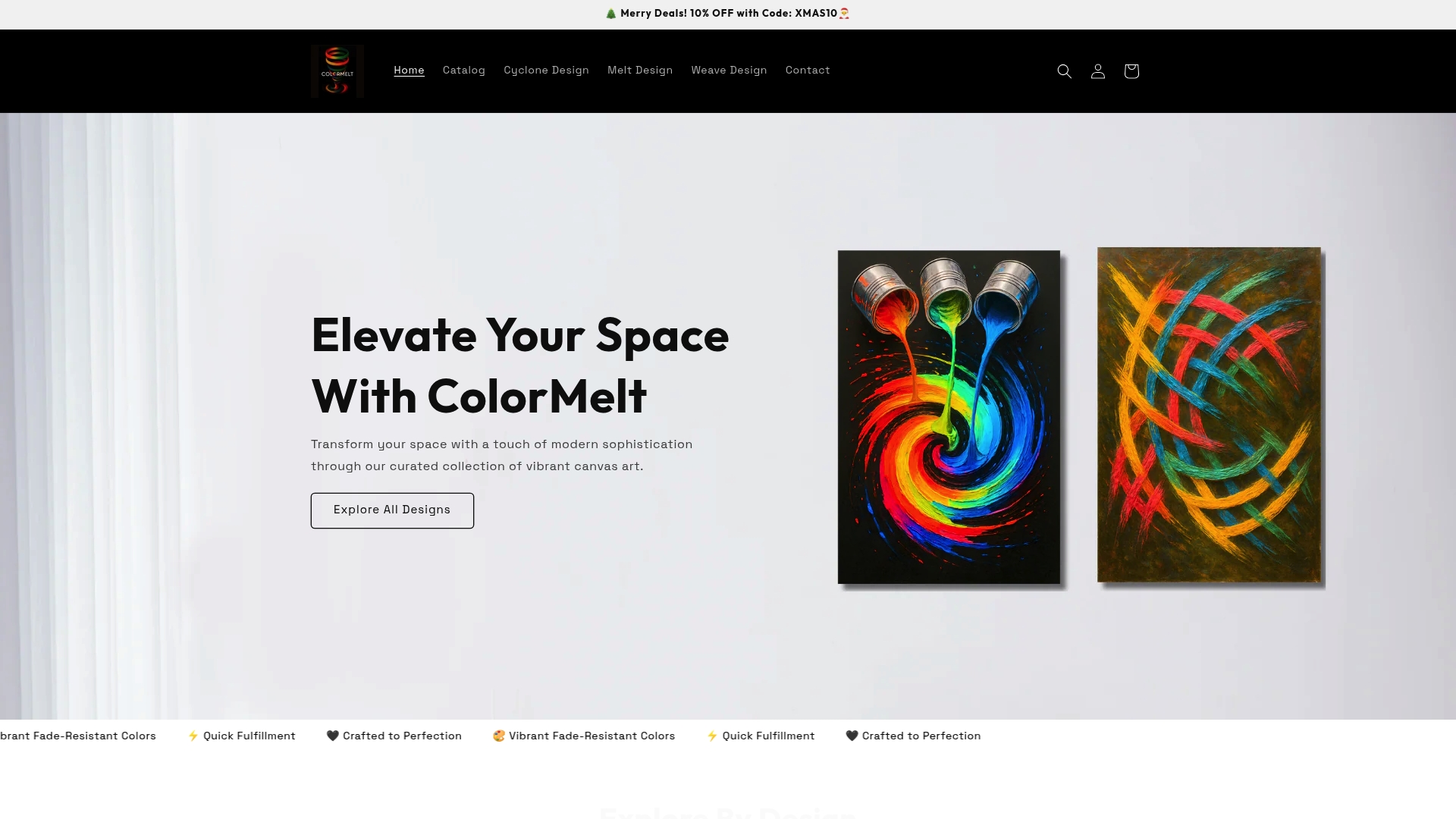
ColorMelt’s modern acrylic wall art collection brings together bold, design-forward pieces built for exactly the kind of intentional placement this guide describes. Every piece is crafted with fade-resistant colors and a commitment to quality that shows the moment it arrives. If you’re looking for something with even more visual punch, the acrylic melt design collection features striking, layered colorwork designed specifically to take advantage of acrylic’s signature depth and luminosity. Browsing is a great way to see how different styles land in different spaces.
Frequently asked questions
Are acrylic prints waterproof?
Acrylic prints resist moisture and light exposure better than uncoated paper prints, but they are not fully waterproof and should not be submerged or placed in areas with heavy water exposure.
How do you clean acrylic prints without scratching them?
Use a soft microfiber cloth with gentle circular pressure; acrylic can scratch easily, so avoid paper towels, abrasive materials, and harsh chemical cleaners entirely.
Will acrylic prints fade in sunlight?
Acrylic prints resist UV fading better than standard paper prints, but prolonged direct sunlight will eventually degrade any print, so indirect or controlled lighting is always the smarter long-term choice.
What’s the best way to hang acrylic prints in a rental apartment?
For smaller pieces, adhesive strips or hooks rated for the print’s weight work well without damaging walls; for larger and heavier acrylic prints, standoff hardware typically requires drilling and landlord approval before installation.