
Types of art prints: your guide to stunning wall art
Walking into a room and feeling an instant emotional shift is one of the most powerful things great wall art can do, yet most people spend more time choosing paint colors than the prints that actually create that feeling. The world of art prints throws a lot of confusing language at you: giclée, serigraph, lithograph, archival inks. These terms can make a simple decorating decision feel like passing a certification exam. This guide cuts through the noise, breaks down each major print type in plain language, and gives you a clear framework so you can shop with total confidence and come home with something you’ll love for decades.
Table of Contents
- How to evaluate art prints for your home
- Main types of art prints explained
- Side-by-side comparison of popular art prints
- Which art print type fits your space?
- Perspective: Why print material outweighs the picture, our take
- Enhance your home with vibrant art prints
- Frequently asked questions
Key Takeaways
| Point | Details |
|---|---|
| Giclée for best quality | Giclée prints deliver top color vibrancy and durability for modern homes. |
| Screenprint for bold style | Screenprint art creates eye-catching, graphic statements perfect for contemporary rooms. |
| Canvas adds flexibility | Canvas prints offer visual warmth and work well in a variety of décor settings. |
| Compare before buying | A side-by-side comparison helps you balance vibrancy, cost, and longevity. |
| Match print to room | Choose your art print type based on your space’s style, lighting, and intended use. |
How to evaluate art prints for your home
Now that we’ve surfaced the challenge, let’s start by clarifying what actually matters when selecting art prints for your space. Skipping this step is why so many people end up with prints that look dull after two years or feel wrong in the room from day one.
Before you get swept away by a beautiful image, run it through these key criteria:
- Color vibrancy: Does the print technology reproduce rich, saturated colors or does it produce a muted, flat result?
- Surface texture: Is the surface smooth and glossy, matte and subtle, or raised and tactile? Texture changes how light hits the print and how it feels in a room.
- Print sharpness: Fine line art and detailed photography need sharp reproduction. Abstract or graphic work can handle softer edges.
- Longevity: Will this print look the same in 10 years? Material and print technology can change color vibrancy, durability, and the overall mood of a room.
- Cost and value: A $30 print that fades in three years is not a bargain. Think in cost-per-year terms.
- Room ambiance: A bold screenprint may energize a studio. A soft giclée might be perfect for a bedroom.
Learning about choosing quality wall art for lasting impact helps you avoid the most common buyer regrets, especially spending money on something visually stunning in the store that falls flat on your wall.
Pro Tip: Match your print type to the function of the room. High-traffic spaces like hallways and kitchens benefit from durable, easy-to-clean surfaces like canvas or acrylic. Quiet retreats like bedrooms reward the subtle elegance of archival paper giclée prints.
There is also a psychological factor at play. Art you genuinely love improves your daily mood and sense of ownership over your space. That investment is worth getting right the first time. Reading up on canvas print styling tips for modern homes gives you a practical starting point for pairing prints with existing furniture and lighting.
Main types of art prints explained
With selection criteria in mind, let’s break down each major type of art print you’ll encounter while shopping.
-
Giclée prints Giclée (pronounced zhee-KLAY) refers to high-resolution inkjet printing on archival-quality paper or canvas using pigment-based inks. The word itself comes from the French verb meaning “to spray,” which describes how tiny ink droplets are applied with extreme precision. The result is jaw-dropping color fidelity, smooth gradients, and fine detail that rivals original artwork. Giclée is the gold standard for art reproduction and is widely used by galleries and museums. Prints made with archival inks on acid-free paper can last well over 100 years without significant fading. The downside is cost: giclée printing is more expensive than most alternatives, but for a statement piece in your living room, it’s the right investment. For anyone exploring art print types for interiors, giclée sits at the top of the quality ladder.
-
Screenprint (serigraph) Screenprinting pushes ink through a mesh screen stencil onto paper or fabric, with a separate screen used for each color. This means a print with six colors requires six separate passes and six precisely aligned screens. The result is bold, opaque, slightly raised color that has a uniquely graphic and tactile character. Screenprints are beloved in contemporary and pop art circles because colors look vivid and punchy even from a distance. The tradeoff is that setup is labor-intensive and expensive, which makes short print runs costly. Gradient effects are difficult to achieve. If you love graphic, high-contrast imagery with a handmade feel, screenprint delivers something no digital method can replicate.
-
Lithograph Traditional lithography uses the chemical repulsion between oil and water on a flat stone or metal plate. The artist draws directly on the surface with a greasy medium, then the plate is treated so ink sticks only to the drawn areas. Modern offset lithography uses photographic plates and is the backbone of mass-market printing for posters and books. Lithographs can produce subtle tonal ranges and soft textures that feel different from both giclée and screenprint. Limited edition lithographs signed by the artist carry collector value. However, print runs are harder to control for quality consistency, and UV exposure can cause fading faster than archival giclée inks.
-
Digital prints Standard digital prints are produced on desktop-grade or commercial inkjet printers using dye-based inks and standard coated paper. The technology is fast, affordable, and accessible. For budget decorating, digital prints are the practical choice. But dye-based inks fade noticeably faster than pigment-based inks, especially in rooms with direct sunlight. They are great for rotating seasonal displays or playroom art where you expect to change things up often.
-
Canvas prints Canvas prints are digital images printed directly onto canvas fabric, often stretched over a wooden frame. They skip the need for glass, framing, or matting, which simplifies hanging and reduces weight. Canvas adds a texture reminiscent of painted artwork, giving digital images a more organic, painterly feel. Personalized wall art options on canvas are especially popular because you can wrap family photos or custom artwork around the frame for a gallery-style finish.
Giclée vs. screenprint: Giclée wins on detail, gradient reproduction, and archival longevity. Screenprint wins on color intensity, graphic boldness, and that unmistakable handcrafted quality. Neither is universally better. The right choice depends on the artwork and the room.
Side-by-side comparison of popular art prints
After understanding the qualities of each, it helps to see the strengths and weaknesses in one view.
| Print type | Color vibrancy | Sharpness | Durability | Cost | Texture |
|---|---|---|---|---|---|
| Giclée | Excellent | Excellent | Very high (100+ years) | High | Smooth to fine grain |
| Screenprint | Very high | Moderate | Moderate to high | Medium to high | Raised, tactile |
| Lithograph | Good | Good | Moderate | Medium to high | Subtle, flat |
| Digital | Good | Good | Low to moderate | Low | Smooth |
| Canvas | High | Moderate | High (if UV coated) | Medium | Woven, tactile |
Giclée prints excel in color fidelity and longevity, while canvas prints offer surface convenience but can trade off on crispness, especially with fine-line art or detailed photography where every pixel counts.
Key practical takeaways from this comparison:
- For photography and fine art reproduction: Giclée on archival paper is unmatched in accuracy and lifespan.
- For bold graphic or pop art: Screenprint delivers color saturation and a handcrafted quality that digital methods cannot replicate.
- For flexible, lightweight hanging without frames: Canvas is the most practical, especially for oversized pieces.
- For budget-conscious decorating: Digital prints give you access to virtually any image at a low entry price, ideal for temporary or seasonal displays.
- For a collector’s piece or gallery focal point: A signed, limited-edition lithograph or giclée carries both aesthetic and investment value.
Browsing contemporary canvas art with this framework in mind will make your shopping sessions significantly faster and more focused. You’ll know what questions to ask and what to prioritize based on your room and budget.
Which art print type fits your space?
Now, let’s help you match these options to your personal décor needs and tastes. The biggest mistake people make is falling in love with an image without thinking about how the print material will interact with their room’s light, furniture, and traffic patterns.
Follow these steps to make the right call:
-
Identify the room’s primary function. Is it a social space (living room, dining room) where you entertain? Or a private retreat (bedroom, reading nook) where calm and comfort matter most?
-
Assess your lighting conditions. Rooms with strong direct sunlight demand UV-resistant materials. Canvas with a UV-protective coating or archival giclée paper handles sun exposure far better than standard digital prints or unprotected lithographs.
-
Consider your décor theme. Matching the right material to the room’s mood yields the best visual impact and longevity. A sleek modern interior pairs beautifully with high-contrast giclée prints or bold screenprints. A warm, rustic space benefits from canvas texture or the earthy tones possible with lithography.
-
Set your replacement timeline. If you’re someone who redecorate every few years, affordable digital or canvas prints make total sense. If you want one statement piece that becomes part of your home’s character for 20 years, invest in archival giclée.
-
Plan your wall layout. A single large canvas can anchor a living room wall. A gallery wall of mixed screenprints adds energy and personality to a hallway or staircase. Personalizing home art choices with a consistent color palette ties varied print types together cohesively.
Pro Tip: If you’re on a tight budget but want gallery-level impact, start with one high-quality archival giclée as a focal point and build around it with more affordable canvas or digital prints. A single strong anchor piece elevates everything around it.
Dos and don’ts:
- Do ask about ink type (pigment vs. dye) before buying any print.
- Do consider framing costs as part of your total budget. Giclée paper prints need proper frames and glass.
- Don’t hang unprotected paper prints in bathrooms or kitchens where humidity is high.
- Don’t assume “canvas” automatically means quality. Canvas quality ranges widely depending on ink and coating.
Understanding modern art in living rooms and how print type interacts with natural and artificial light will give you a massive advantage when you start shopping.
Perspective: Why print material outweighs the picture, our take
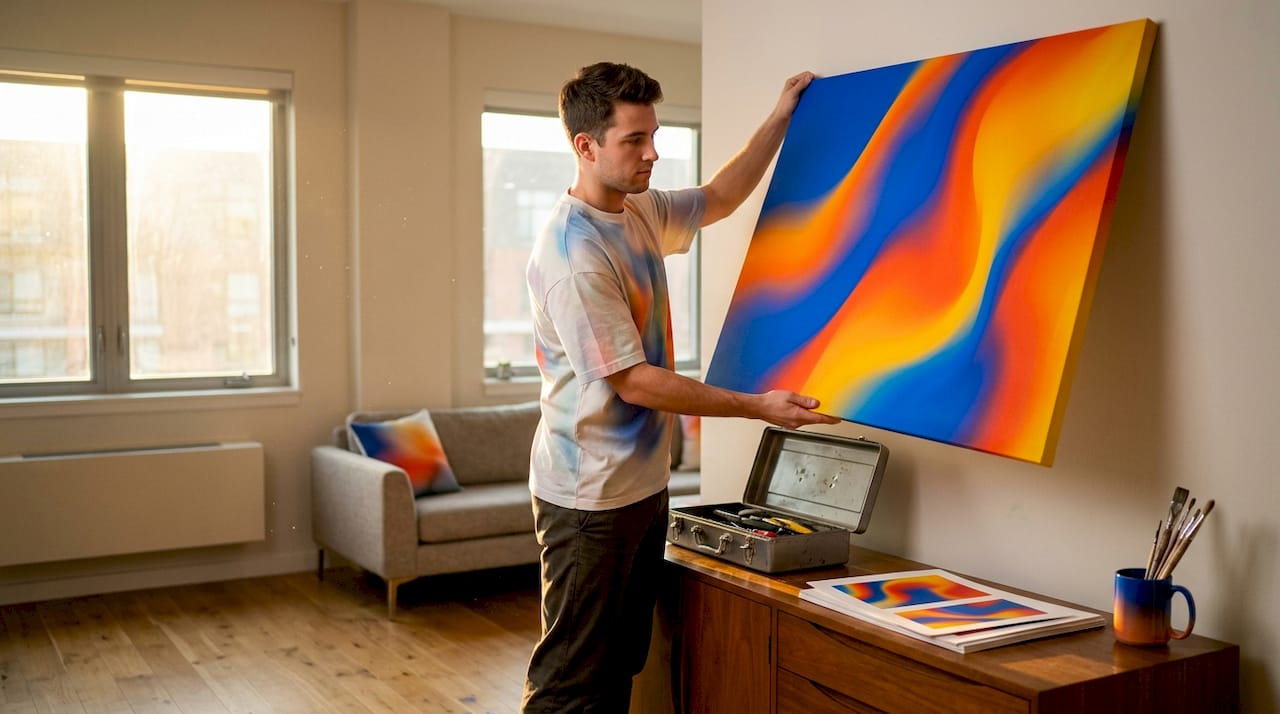
Here’s a belief we hold strongly at ColorMelt, and it might challenge the way you’ve been shopping for art: the print material matters more than the image.
Most people shop for art backward. They find an image they love, then accept whatever print format is available. The result is often disappointment. A stunning abstract design printed on cheap dye-based paper looks lifeless on the wall within two years. The same image reproduced on archival giclée paper with pigment inks looks just as vivid a decade later as the day it arrived.
Material and print technology can radically change both impact and durability. This is not marketing language. It is the practical reality that gallery owners and museum curators have understood for generations. The reason original fine art prints hold their value is not just the image. It is the intentional choice of material, ink, and process that preserves the work across time.
The decor world is full of trends that cycle every few years: gallery walls, maximalism, minimalism, cottagecore. Images tied to those trends feel dated quickly. But a beautifully crafted giclée print of a timeless abstract composition, made on the right archival substrate, can outlive three complete living room redesigns. It becomes part of your home rather than a symptom of a specific moment in time.
Our recommendation is to flip your shopping approach. Start with material: decide the print quality level you want first. Then find images within that category. You’ll find the art you buy this way stays satisfying far longer, and you’ll spend less over the years than someone who buys cheap prints every two years. For deeper thinking on this, the science-backed art insights on our blog explore exactly why quality materials create stronger emotional responses in your living space.
Enhance your home with vibrant art prints
Ready to bring your walls to life? At ColorMelt, we’ve built our collection with all of this in mind.
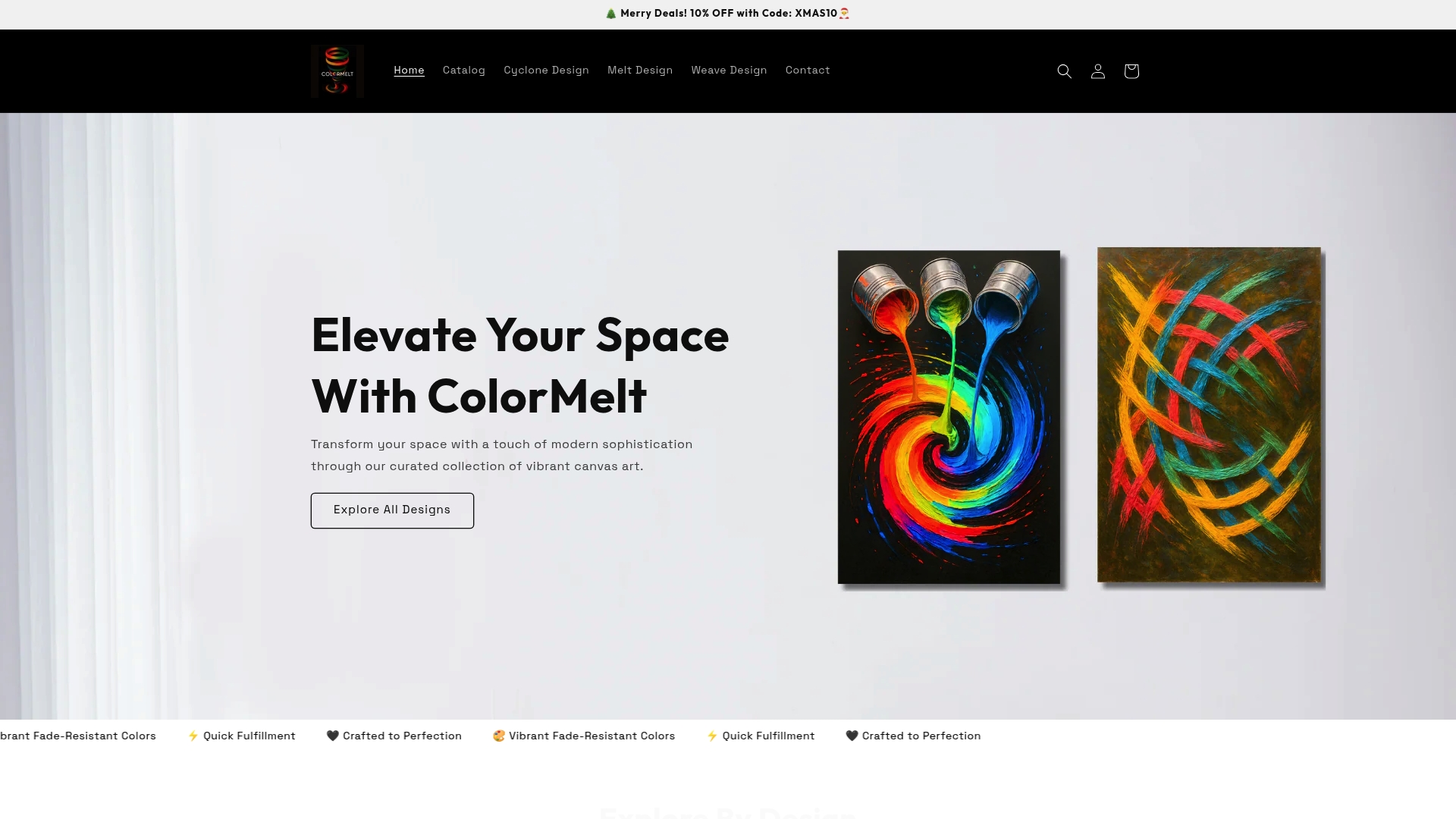
Every piece in our curated wall art collection is designed to deliver real vibrancy, crafted quality, and fade-resistant color that holds up over time. Whether you’re drawn to bold abstract patterns, intricate weave designs, sweeping cyclone motifs, or rich floral imagery, you’ll find it in formats that actually suit your space: stretched canvas, acrylic, wood prints, and framed artwork for every room and style. We use fade-resistant inks across our collections so you’re not gambling on how something looks two years from now. Browse the full ColorMelt wall art collection to discover pieces that feel like they were made for your home, because the right print on the right material changes everything.
Frequently asked questions
What type of art print lasts the longest?
Giclée prints typically last the longest due to their high-quality pigment inks and archival papers, with superior longevity compared to traditional printing methods, often exceeding 100 years under proper conditions.
Are canvas prints as vibrant as paper prints?
Canvas prints can be vibrant but often lose some sharpness and color pop compared to paper prints. Canvas prints can lack crispness found in paper-based options, particularly noticeable with detailed or photographic imagery.
What’s the difference between screenprint and giclée?
Screenprints use stencils and thick, opaque inks for bold, flat colors, while giclée uses digital inkjet printing for fine detail, smooth gradients, and precise color fidelity. Screenprint uses bold, opaque color while giclée excels in detail and color accuracy.
Which art print type is budget-friendly for decorating?
Digital and canvas prints are generally the most affordable choices for home decor, offering solid visual impact without the higher cost of archival giclée or limited-edition screenprints.
Can I personalize art prints for my home?
Many studios and online shops offer customizable art prints in various sizes and formats to suit individual spaces and personal styles, including canvas and framed options tailored to your room’s dimensions and color palette.