
The Real Benefits of Canvas Prints for Your Home
Choosing wall art sounds simple until you’re standing in front of a blank wall, weighing cost, durability, style, and whether that framed poster will still look good five years from now. The benefits of canvas prints solve nearly every one of those concerns at once. Canvas offers a combination of visual depth, long-term resilience, and personal expression that flat prints and posters simply cannot match. This article breaks down exactly what makes canvas prints worth your attention, and your wall space.
Table of Contents
- Key takeaways
- 1. The real benefits of canvas prints start with texture
- 2. Color vibrancy that holds up over time
- 3. Durability that genuinely outlasts the alternatives
- 4. No framing required, and that saves you real money
- 5. Glare-free display in any room
- 6. Personalization that creates something genuinely yours
- 7. Versatility across every room and style
- 8. How to choose and care for your canvas prints
- 9. Canvas prints vs. other wall art mediums
- My take: why canvas prints are the one I always recommend
- Where to find canvas prints worth living with
- FAQ
Key takeaways
| Point | Details |
|---|---|
| Canvas texture adds visual depth | The woven surface creates dimension that flat photo paper cannot replicate, making images feel more like original art. |
| Pigment inks resist fading for decades | Quality canvas prints using pigment-based inks can maintain vibrancy for 50 to 100 years with proper care. |
| No framing needed | Gallery-wrapped canvas hangs ready out of the box, cutting display cost and setup time significantly. |
| Personalization goes beyond decoration | Custom photos, multi-panel arrangements, and size choices make canvas prints a direct reflection of your personal story. |
| Canvas outperforms paper in bright rooms | The matte surface eliminates glare, keeping your art visible and vibrant under any lighting condition. |
1. The real benefits of canvas prints start with texture
Most wall art is flat. A poster, a photograph behind glass, even a metal print. What you see is what you get, and what you get is a two-dimensional surface.
Canvas is different. The woven fabric surface creates micro-variations across the image that catch light at slightly different angles. This gives the artwork visual character and texture that feels closer to an original painting than a reproduction. You are not just looking at the image. You are experiencing it.
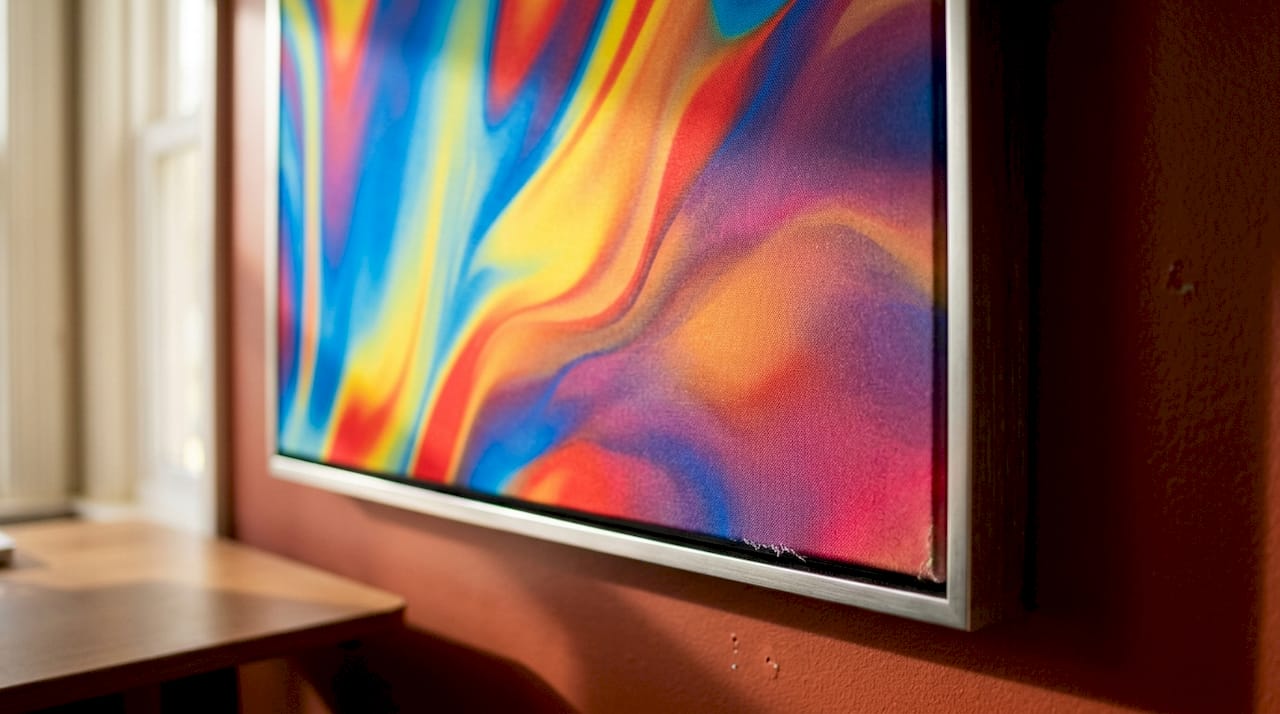
That tactile dimension matters more than most people realize. Interior designers consistently value canvas prints for their ability to serve as genuine focal points in a room, not just decorations. When light moves through a space across a day, a canvas print shifts subtly with it. A paper print stays static.
Pro Tip: When hanging a canvas print, avoid placing it flush against a wall in complete shadow. Even ambient light helps the texture work in your favor and brings the image to life.
2. Color vibrancy that holds up over time
The color performance of a canvas print depends almost entirely on the ink type used during printing. This is where the difference between a budget print and a quality one becomes obvious over time.
Pigment-based inks sit on the canvas surface as encapsulated particles rather than soaking into the material the way dye-based inks do. This molecular structure makes them far more resistant to UV exposure, humidity, and the general wear of time. Dye-based prints may look sharp when new, but they fade and shift color within years. Pigment-based prints hold their ground.
Canvas also has a low metamerism rating, which means colors stay consistent whether your room is lit by warm incandescent bulbs, cool daylight, or overhead LEDs. Your art looks the same in the morning as it does at night.
3. Durability that genuinely outlasts the alternatives
Paper prints yellow. Posters warp when humidity shifts. Framed photos behind glass are one dropped moment from being ruined. Canvas handles all of these challenges without breaking a sweat.
Museum-grade canvases use 300 to 450 GSM cotton-polyester blends paired with UV-protective coatings and pigment-based giclée inks. The result is a print rated to resist fading for over 100 years. Even consumer-grade canvas prints using quality materials regularly achieve 50 to 75 years of stable display life.
The structure itself helps. Stretched canvas mounted over a solid wooden frame resists sagging, warping, and physical damage better than any paper-based medium. The canvas print lifespan of a properly made piece comfortably surpasses most furniture in the same room.
Here is a quick comparison of what makes canvas stand apart on durability:
- Canvas prints: Resistant to fading, moisture, and physical damage. No glass required. 50 to 100 year lifespan with pigment inks.
- Framed paper photos: Vulnerable to yellowing, moisture damage, and glass breakage. Typically fade within 10 to 25 years under display conditions.
- Posters: Prone to warping, tearing, and rapid fading, especially without UV-protective glass.
- Metal prints: Highly durable but expensive, and they produce glare under direct lighting.
4. No framing required, and that saves you real money
One of the most underrated canvas print advantages is the one you notice at checkout. Canvas does not need a frame.
A gallery-wrapped canvas creates a fully finished, ready-to-hang piece straight from production. The image wraps around the sides of the wooden stretcher frame, giving it clean, professional edges with no exposed raw material. You pull it out of the box and hang it. Done.
Compare that to buying a quality print, sourcing a matching frame, having it cut to size, and adding protective glass. That process easily adds $50 to $200 to the cost of a single piece, depending on size. Over several pieces across multiple rooms, canvas prints are more cost-efficient in the long run while delivering a more polished result.
5. Glare-free display in any room
This one surprises people. Canvas provides a matte, glare-free finish that makes it ideal for bright rooms, sun-facing walls, and spaces with mixed light sources. Glossy photo prints under glass become mirrors when sunlight hits them. Metal prints do the same.
Canvas absorbs light rather than reflecting it. Your image remains fully visible from any viewing angle, in any lighting condition. For living rooms with large windows or offices with overhead fluorescents, this is a practical advantage that makes a real difference every single day.
6. Personalization that creates something genuinely yours
Standard art off a shelf has one limitation. It is the same piece hanging in a thousand other homes. Canvas prints remove that limitation entirely.
You can print personal photos on canvas, reproduce a favorite piece of digital artwork, or commission a design that matches your specific color palette and room dimensions. The emotional connection to art you have chosen and customized is fundamentally different from something you picked off a rack.
The personalization options go further than just image choice:
- Size selection: From small accent pieces to large statement prints spanning several feet
- Gallery wrap depth: Slim 0.75-inch profiles for subtle display or bold 1.5-inch gallery-depth frames for a more prominent presence
- Multi-panel arrangements: Split a single image across two, three, or four panels for a dynamic wall art installation that no pre-made art can replicate
- Image source: Your own photography, licensed artwork, or designs created to your specification
This level of control means your walls tell your story. That is something posters and stock prints cannot offer.
7. Versatility across every room and style
Canvas prints work in rooms where other mediums struggle. A large abstract canvas reads well in a modern living room. A family portrait on canvas fits a warm, traditional hallway. A botanical series in matching frames works in a minimalist bedroom. The format adapts.
Styling canvas prints across different spaces comes down to scale and color relationship. A canvas print can anchor a room as the dominant visual element, or it can complement existing colors in a subtler supporting role. Either way, the texture and depth of canvas make it look intentional rather than decorative filler.
This versatility is why designers reach for canvas when a client wants art that works with their space rather than against it. Canvas does not compete with furniture or architectural details. It completes them.
8. How to choose and care for your canvas prints
Knowing the benefits of canvas prints matters. Knowing how to buy and maintain them is what makes those benefits last.
Follow these steps when selecting and caring for a canvas print:
- Check image resolution first. For a print larger than 16x20 inches, your source image should be at least 150 DPI at print size. Below that, the image will soften visibly up close.
- Choose pigment-based giclée printing. Giclée technology uses fine inkjet droplets with pigment inks to achieve true museum-quality results. Ask for it by name.
- Understand bleed allowance. Gallery wrapping requires 1.5 to 2 inches of image content around all edges. If your image has critical detail near the borders, account for what will wrap around the frame sides.
- Place prints away from direct sunlight when possible. UV coatings help, but sustained direct exposure accelerates fading over years. A spot with bright indirect light is ideal.
- Dust regularly with a soft, dry cloth. Never use wet cleaners or spray anything directly on the canvas surface. Moisture can loosen the canvas from the stretcher bars over time.
- Avoid high-humidity rooms. Bathrooms and laundry rooms create moisture cycles that can cause canvas to warp or mold, regardless of print quality.
Pro Tip: When ordering a custom canvas, request a digital proof before production. Reviewing the composition at scale catches cropping issues and color adjustments before they become permanent.
9. Canvas prints vs. other wall art mediums
Here is how canvas compares directly against the most common alternatives:
| Feature | Canvas prints | Framed paper photo | Poster | Metal print |
|---|---|---|---|---|
| Texture | Natural woven depth | Flat | Flat | Flat, reflective |
| Durability | 50 to 100+ years | 10 to 25 years | Under 10 years | 20 to 30 years |
| Glare | None (matte) | High with glass | Moderate | High |
| Framing needed | No | Yes | Often | No |
| Cost (total) | Moderate | Moderate to high | Low to moderate | High |
| Personalization | High | High | Low | Moderate |
| Color consistency | Excellent (low metamerism) | Good | Fair | Excellent |
Canvas wins across most everyday living conditions. Metal prints perform well technically but carry a higher cost and heavy glare under direct light. Paper photos degrade faster and require more protective infrastructure. Posters are the budget option but sacrifice nearly everything else.
Pro Tip: If you love the look of a metal print’s sharpness but want something warmer and more home-friendly, a high-GSM canvas with giclée printing gives you comparable detail with better texture and no glare.
My take: why canvas prints are the one I always recommend
I have spent years working with home decor choices, talking to customers who have tried everything from printed posters to framed fine art prints. Here is what I’ve learned.
Most people underestimate how much the initial quality decision affects what they live with for the next decade. I have seen homes where a $20 poster looks tired within two years while a well-made canvas print in the same hallway still looks sharp at year eight. The cost difference at purchase was real. The cost difference over time flipped completely.
What consistently surprises people is the texture. They order a canvas expecting it to look like a photograph and they get something that feels closer to a painting. That shift in perception changes how they experience their own space. It is not decoration. It suddenly feels like art.
The customization angle is where I think most buyers leave value on the table. Ordering a generic image is fine. But ordering a print of your own photograph at a size that actually fills the wall you’ve been ignoring for two years? That is the decision that makes people say their home finally feels like theirs. Personalized wall art does something stock prints cannot do. It makes a space feel inhabited rather than staged.
If you are deciding where to put your money in home decor, canvas prints represent the best ratio of visual impact, durability, and personal meaning. I have not found a better combination.
— Shlomo
Where to find canvas prints worth living with
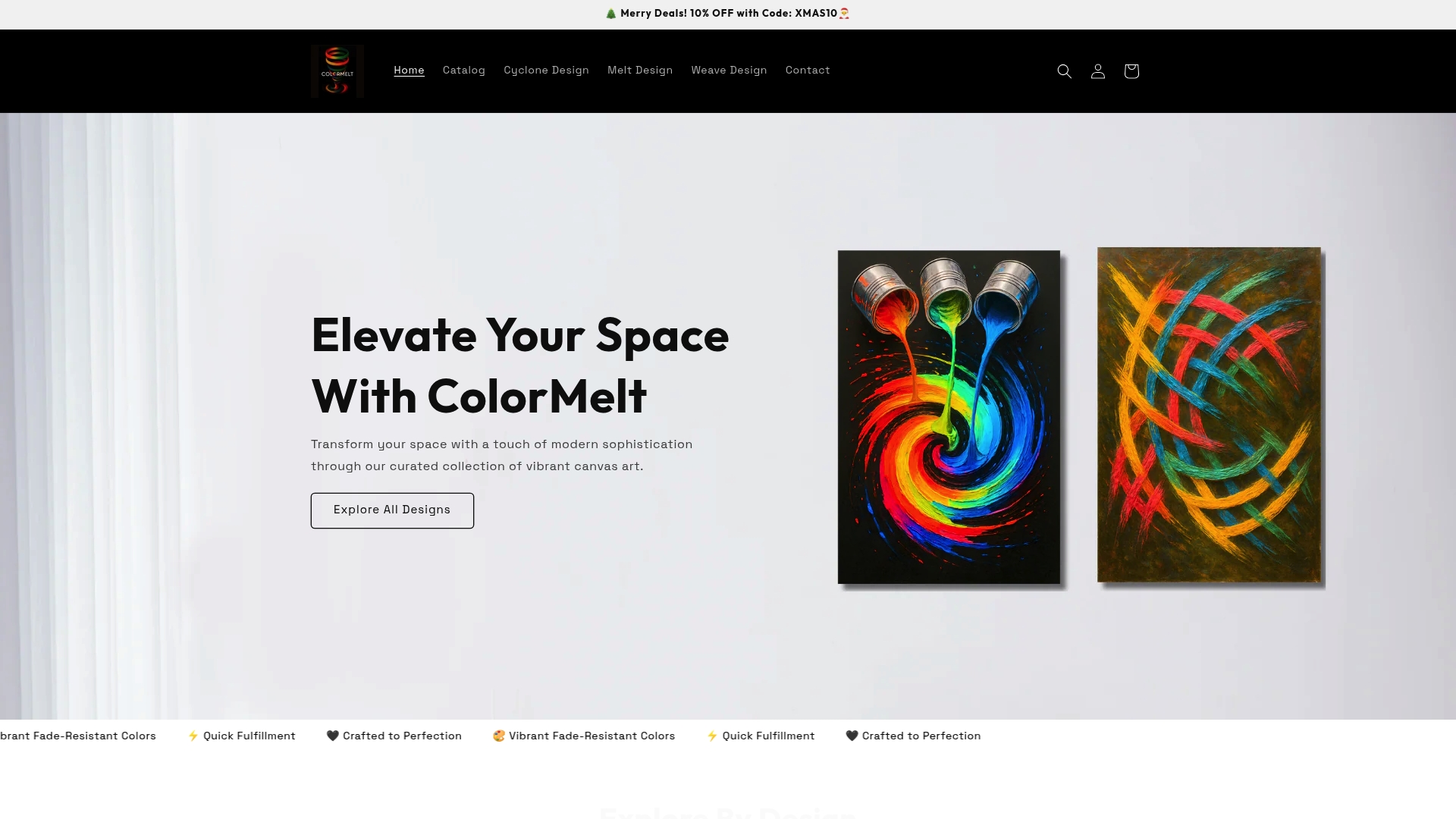
If you have been looking for canvas art that actually delivers on vibrancy, quality, and design originality, Colormelt is worth a serious look. The collection at Colormelt’s wall art store features bold abstract designs, weave patterns, cyclone motifs, and floral art printed with fade-resistant pigment inks on quality canvas. These are not generic stock prints. Each piece is built around strong color contrast and modern design sensibility, made to function as a genuine focal point in any room.
Whether you want a large statement canvas for your living room or a smaller series for a hallway, the range covers a wide spread of styles and sizes. If you want to explore specific designs, the abstract framed canvas print and the colorful cyclone series are strong starting points for spaces that need energy and depth.
FAQ
What are the main benefits of canvas prints?
Canvas prints offer superior texture, glare-free display, exceptional durability, and no framing requirement. High-quality canvas prints with pigment inks can last 50 to 100 years while maintaining color vibrancy.
Why choose canvas prints over framed posters?
Canvas prints require no additional framing, resist fading far longer than paper posters, and provide a tactile depth that makes images look like original art rather than reproductions.
How long do canvas prints actually last?
With pigment-based giclée printing and proper care, quality canvas prints last 50 to 100 years, significantly outlasting framed paper photos and posters.
Do canvas prints work well in bright rooms?
Yes. The natural matte surface of canvas eliminates glare entirely, making it one of the best choices for sun-facing walls or rooms with strong overhead lighting.
Can you personalize a canvas print with your own photo?
Absolutely. Canvas prints support full customization including personal photos, custom sizes, gallery wrap depth options, and multi-panel configurations, as covered in Colormelt’s personalized wall art guide.