
What Are Decorative Accessories for Your Home?
Decorative accessories are non-structural items designed purely to enhance a space’s aesthetic appeal, including vases, candles, wall art, sculptures, and textiles. They are the finishing layer of any interior, the difference between a room that functions and a room that feels like yours. Interior designers call them “accent pieces,” and that term captures their purpose precisely: they accent what is already there. This article breaks down the types, roles, and practical techniques behind decorative home accessories so you can make smarter choices for your space.
What are decorative accessories in interior design?
Decorative accessories are the non-load-bearing, non-functional objects placed in a room to add personality, warmth, and visual cohesion. The industry term for this category is “decorative accents,” though the phrases are used interchangeably in retail and design. Accessories add personality and warmth to a room, functioning as finishing touches that make a space feel complete rather than merely furnished.
The category is broader than most people realize. Decorative accessories span lighting, pottery, vases, textiles, wall art, and floor coverings, used across homes, offices, and hospitality settings. A ceramic vase on a console table, a framed abstract print above a sofa, a woven throw draped over an armchair: all of these are decorative accessories. What unites them is intent. They exist to be seen and felt, not to hold up a ceiling or store your belongings.
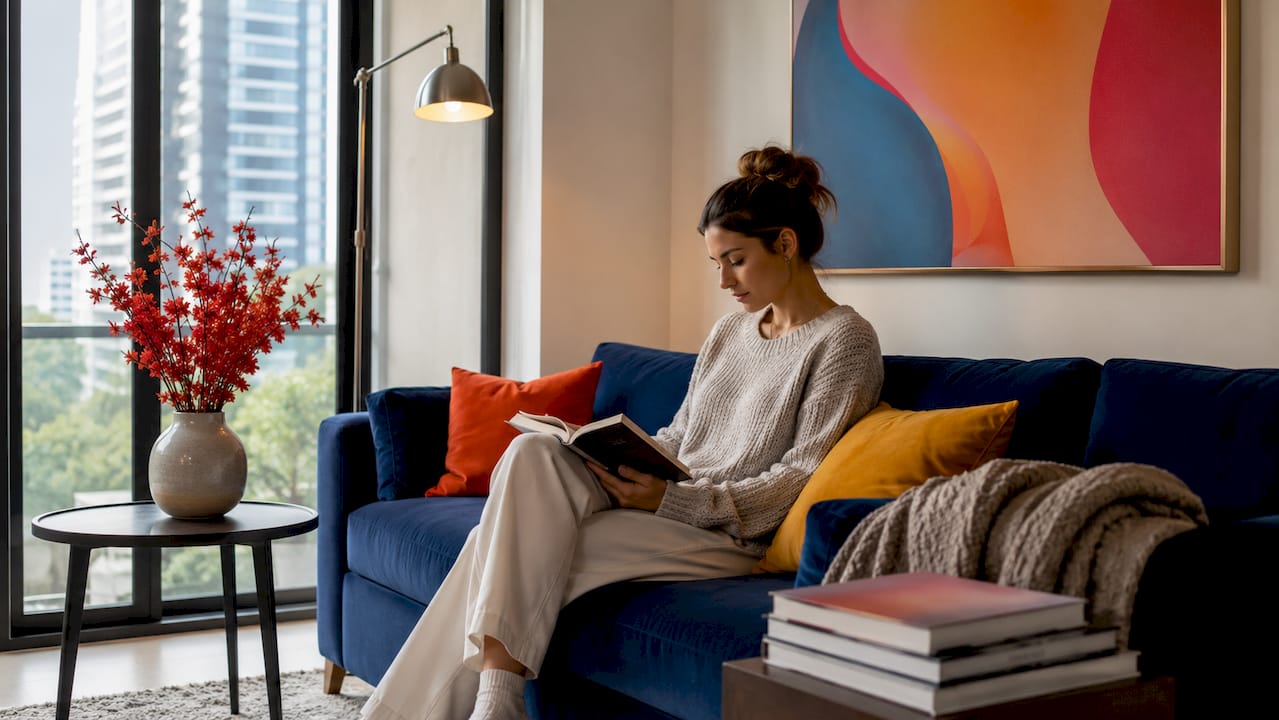
Accessories tell stories and evoke emotion, making a home feel inviting rather than just filled. That distinction matters. A room full of furniture is a showroom. A room layered with carefully chosen accents is a home.
What are the main types of decorative accessories?
Understanding the categories helps you shop and style with more confidence. Each type serves a different visual function, and mixing them is what creates depth.
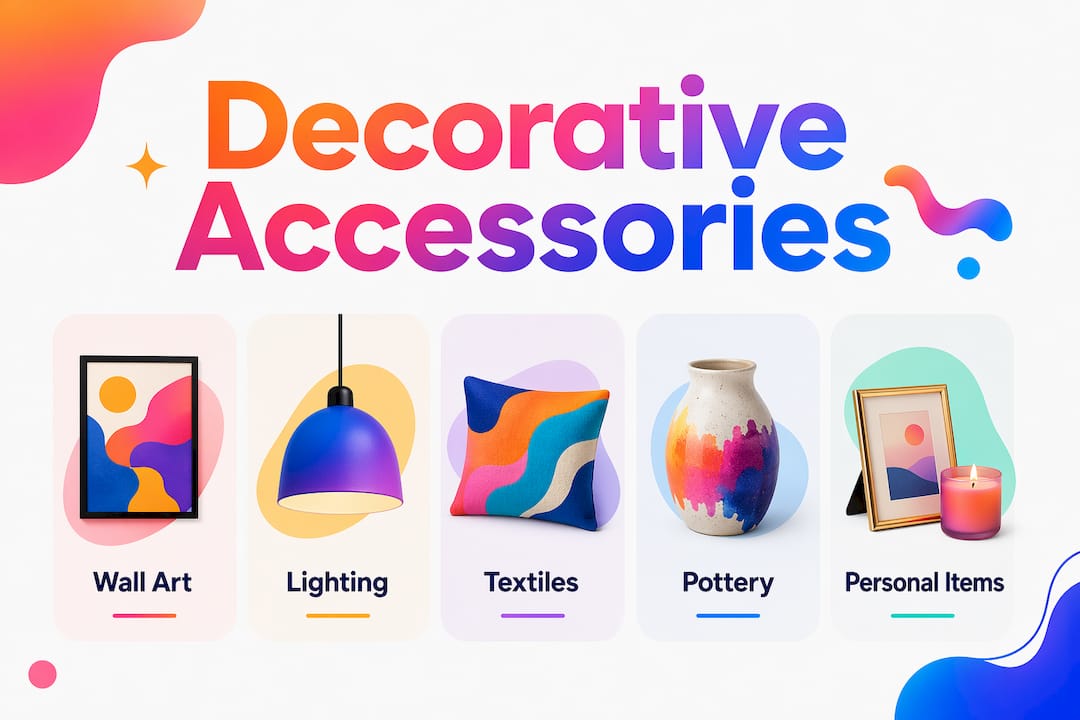
| Accessory Type | Typical Use | Common Materials |
|---|---|---|
| Wall art and prints | Focal points, color anchors | Canvas, acrylic, wood, metal |
| Vases and pottery | Surface styling, organic texture | Ceramic, glass, terracotta |
| Cushions and throws | Softness, color layering on seating | Cotton, linen, velvet, wool |
| Candles and candleholders | Ambient mood, scent, height variation | Wax, glass, brass, stone |
| Rugs | Zone definition, warmth underfoot | Wool, jute, synthetic fiber |
| Sculptures and figurines | Three-dimensional interest, storytelling | Resin, marble, wood, metal |
| Mirrors | Light amplification, spatial illusion | Glass, wood, metal frames |
| Decorative lighting | Atmosphere, task accent | Ceramic, brass, blown glass |
Some accessories straddle the line between functional and purely decorative. A brass table lamp lights a corner and looks beautiful doing it. A hand-thrown ceramic bowl can hold keys or simply sit on a shelf as a sculptural object. This dual nature is one reason decorative accessories are used across residential and commercial settings, with hospitality applications growing rapidly as hotels invest in creating memorable, personalized guest environments.
The material mix within a single room matters as much as the object types. Glass reads as light and airy. Wood reads as grounded and warm. Metal adds edge and contrast. Choosing one material exclusively flattens a room visually. Combining two or three creates the layered quality that makes a space feel professionally styled.
How do decorative accessories shape a room’s mood?
Accessories do more than fill empty surfaces. Intentional selection by scale, proportion, material, and placement creates both functional and aesthetic balance in a room. That is a more precise way of saying accessories control how a room feels to be in.
Color is the most immediate mood tool. A cluster of deep terracotta vases on a white shelf reads as warm and grounding. A set of pale blue glass objects on the same shelf reads as calm and airy. The furniture did not change. The mood did. This is why accessories are carefully selected elements that complete the story of a room through color, scale, placement, and material.
Accessories also guide the eye around a room. A tall sculptural floor vase pulls the gaze upward. A low tray of candles on a coffee table anchors attention at seat level. Designers call this “visual rhythm,” and it is what prevents a room from feeling either chaotic or flat. You can learn more about how decor shapes mood by studying how color and placement interact in real interiors.
Here are the core mood functions accessories perform:
- Focal point creation: A large piece of wall art or an oversized mirror draws the eye to a specific wall, giving the room a clear visual anchor.
- Color reinforcement: Repeating an accent color from your sofa in a vase, a candle, and a throw ties the palette together without repainting.
- Texture contrast: Mixing smooth ceramics with rough linen and shiny metal creates tactile interest that makes a room feel layered.
- Scale variation: Grouping objects of different heights prevents a flat, monotonous surface arrangement.
Pro Tip: Pick one accent color from your existing furniture and repeat it in at least three accessories across the room. That repetition is what makes a space feel designed rather than decorated.
What are best practices for choosing and arranging accessories?
Choosing decorative accessories well comes down to four principles: proportion, layering, repetition, and editing. Most styling mistakes come from ignoring at least one of these.
-
Respect proportion. Accessories should be sized proportionally to the furniture and room they occupy. A small bud vase on a large dining table disappears. An oversized sculpture in a narrow hallway overwhelms. Before buying, measure the surface you are styling and consider the visual weight of what you are adding.
-
Layer by height. Build surface arrangements starting with a larger anchor object, then add a mid-height piece, and finish with a smaller element. This triangle of heights creates a natural, balanced composition on shelves, mantels, and console tables.
-
Repeat colors and mix materials. Repeating accent colors and mixing materials like glass, wood, and metal across a grouping creates visual harmony. A shelf styled with all-ceramic objects in one color reads as flat. The same shelf with a ceramic vase, a small wooden sculpture, and a glass candleholder in similar tones reads as rich and considered.
-
Edit ruthlessly. Too many accessories create clutter and diminish a room’s appeal. The shift from “more is more” to “fewer, better pieces” is the single biggest upgrade most homeowners can make. Remove everything from a surface, then add back only what earns its place.
Pro Tip: Start every surface arrangement with one anchor piece you genuinely love. Build around it. If an object does not relate to the anchor in color, material, or scale, it probably belongs somewhere else.
For a deeper look at home decor accessory selection, Colormelt’s styling guides walk through these principles with real room examples.
How do you match accessories to your existing decor style?
Decorative accessories are the fastest and most affordable way to update a room without replacing furniture. A few well-chosen pieces can shift a space from feeling dated to feeling current in an afternoon.
Different interior styles call for different accessory approaches:
- Modern and minimalist: Limit the number of objects on any surface. Choose accessories with clean lines and a restrained palette: matte black ceramics, simple geometric sculptures, large-format abstract wall art. The 2026 home decor trends favor warm minimalism, pairing neutral tones with one bold accent color.
- Eclectic: Mix periods, materials, and origins deliberately. A vintage brass lamp next to a modern ceramic vase next to a framed botanical print works because the collector’s eye is visible. The key is a unifying thread, usually color or material, that ties the mix together.
- Traditional and classic: Lean into symmetry and pairs. Matching candlesticks on a mantel, twin table lamps on a console, and framed prints in matching frames all signal the ordered, balanced quality of traditional style.
- Bohemian: Layer textiles generously. Woven wall hangings, macramé, stacked rugs, and an abundance of plants create the warm, lived-in quality that defines this style. Accessories here are intentionally abundant, but they share an organic, handmade quality that keeps the look cohesive.
Seasonal refreshes are one of the smartest uses of decorative accessories. Swapping out cushion covers, changing a vase arrangement, or adding a new piece of wall art costs far less than redecorating. You can explore trending decor styles for 2026 to find which directions are gaining traction this year.
Personal items are also underused as accessories. A collection of travel ceramics, a stack of meaningful books, or a framed photograph printed on canvas all function as accent pieces while telling your specific story. That storytelling quality is what separates a styled room from a showroom.
Key takeaways
Decorative accessories are the most direct tool you have for shaping how a room looks, feels, and reflects your personality without touching the architecture or furniture.
| Point | Details |
|---|---|
| Definition matters | Decorative accessories are non-structural accent pieces that add warmth, color, and personality to any space. |
| Types vary widely | Categories include wall art, vases, textiles, lighting, rugs, and sculptures, each serving a distinct visual role. |
| Proportion is non-negotiable | Size accessories relative to your furniture and room scale to avoid pieces that disappear or overwhelm. |
| Layer and edit | Build height variation in groupings, repeat accent colors, and remove anything that does not earn its place. |
| Style alignment | Match accessory choices to your existing decor style, and use seasonal swaps to refresh spaces affordably. |
The part most decorating advice gets wrong
Most articles on decorative accessories focus on what to buy. The harder question is what to remove. I have watched homeowners spend money on beautiful objects, arrange them carefully, and still end up with rooms that feel cluttered and confused. The problem is almost never the individual pieces. It is the accumulation.
The rooms that stop people in their tracks, the ones you photograph and save, tend to have fewer objects than you expect. Each piece has room to breathe. The eye can settle on one thing before moving to the next. That quality of calm is not accidental. It comes from editing with the same seriousness you bring to adding.
The other mistake I see constantly is treating accessories as permanent. They are not. A vase that worked beautifully in your old apartment may be fighting with your new sofa. A print you loved five years ago may no longer reflect who you are. Treat your accessories as a living collection. Rotate them, retire them, replace them. The best-decorated homes I have seen belong to people who think of their accessories as an ongoing conversation with their space, not a finished project.
Start with one surface. Clear it completely. Add back only what you would genuinely miss. That exercise alone will tell you more about your taste than any decorating guide.
— Shlomo
Transform your space with Colormelt wall art
Wall art is the single most impactful decorative accessory in any room. It sets the color palette, creates the focal point, and communicates your aesthetic before anything else does. Colormelt’s curated wall art collection brings together canvas prints, acrylic prints, wood prints, and framed artwork in abstract, weave, cyclone, and floral designs built for modern interiors.
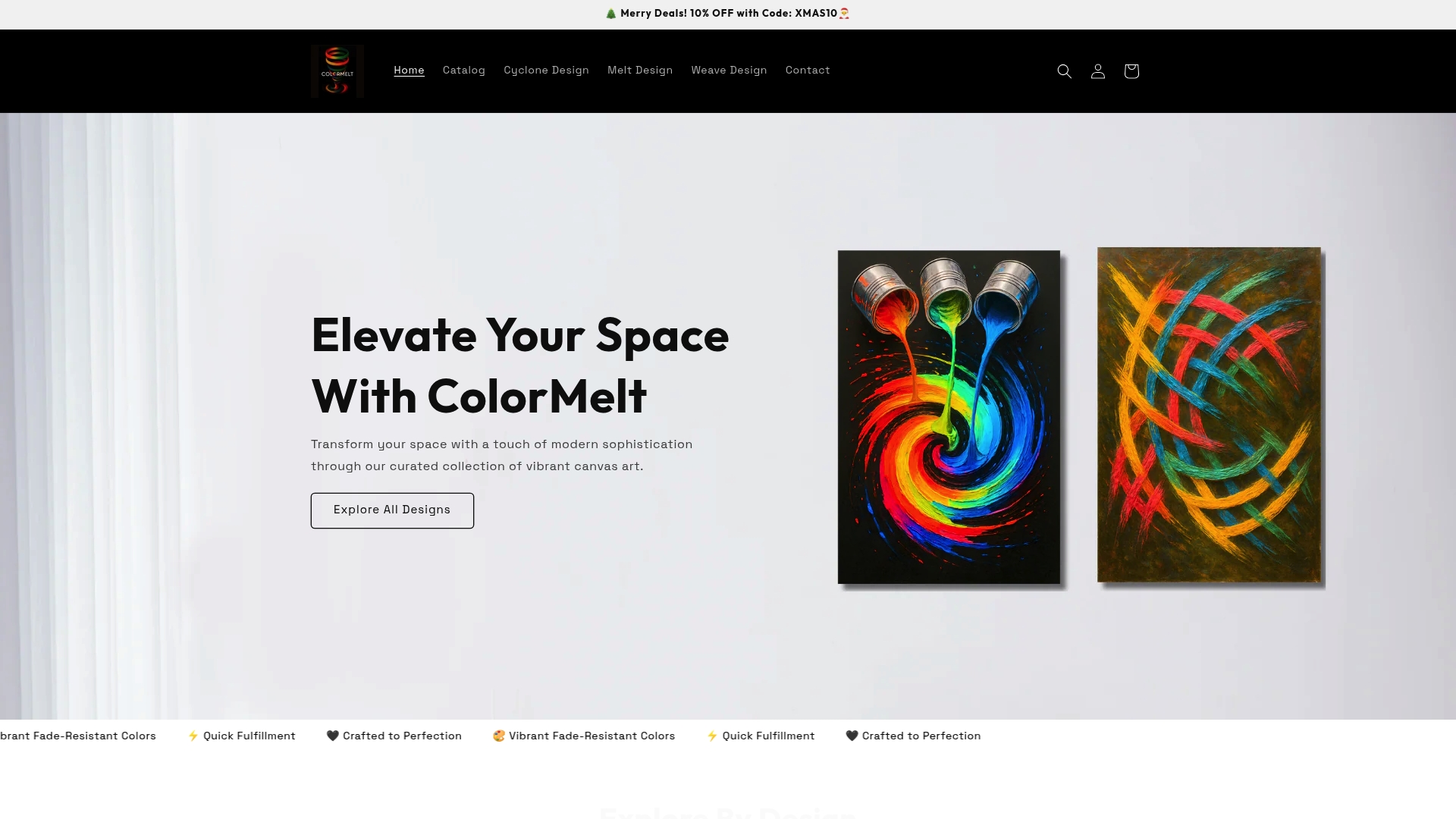
Every piece is printed with fade-resistant colors and crafted for lasting quality, so your investment looks as good in five years as it does on day one. Whether you are styling a minimalist living room or an eclectic bedroom gallery wall, Colormelt has a piece that fits. The Cyclone Design colorful decor is a strong starting point if you want a bold, room-defining anchor piece that works across multiple styles.
FAQ
What are decorative accessories in simple terms?
Decorative accessories are non-structural objects placed in a room to improve its appearance and atmosphere. Common examples include vases, candles, wall art, cushions, rugs, and sculptures.
What is the difference between decorative accessories and accent pieces?
The terms refer to the same category of objects. “Accent pieces” is the standard interior design term, while “decorative accessories” is more common in retail and everyday use.
How many decorative accessories should a room have?
There is no fixed number, but restraint produces better results than abundance. Style surfaces in odd-numbered groupings of three or five objects, and edit anything that does not contribute to the room’s color story or visual rhythm.
Can decorative accessories really change a room’s mood?
Yes. Color, texture, and scale all influence how a space feels. Warm-toned ceramics and soft textiles create a cozy atmosphere, while cool glass objects and minimal arrangements read as calm and airy.
What is the best decorative accessory to start with?
Wall art is the highest-impact starting point because it sets the color palette and focal point for the entire room. Choose a piece you genuinely love and build your accessory choices around its colors and mood.