
What Is a Durable Art Print? A Buyer's Guide
A durable art print is a high-quality reproduction made with archival materials and fade-resistant inks designed to maintain color and structure for decades. The term “durable art print” is widely used by buyers and retailers, but the recognized industry term is archival print or giclée print. Understanding what separates a lasting piece from a cheap poster protects your investment and keeps your walls looking sharp for years. Whether you are decorating a living room or a corporate office, material quality determines whether your art ages gracefully or fades into the background.
What is a durable art print, and why does material quality define it?
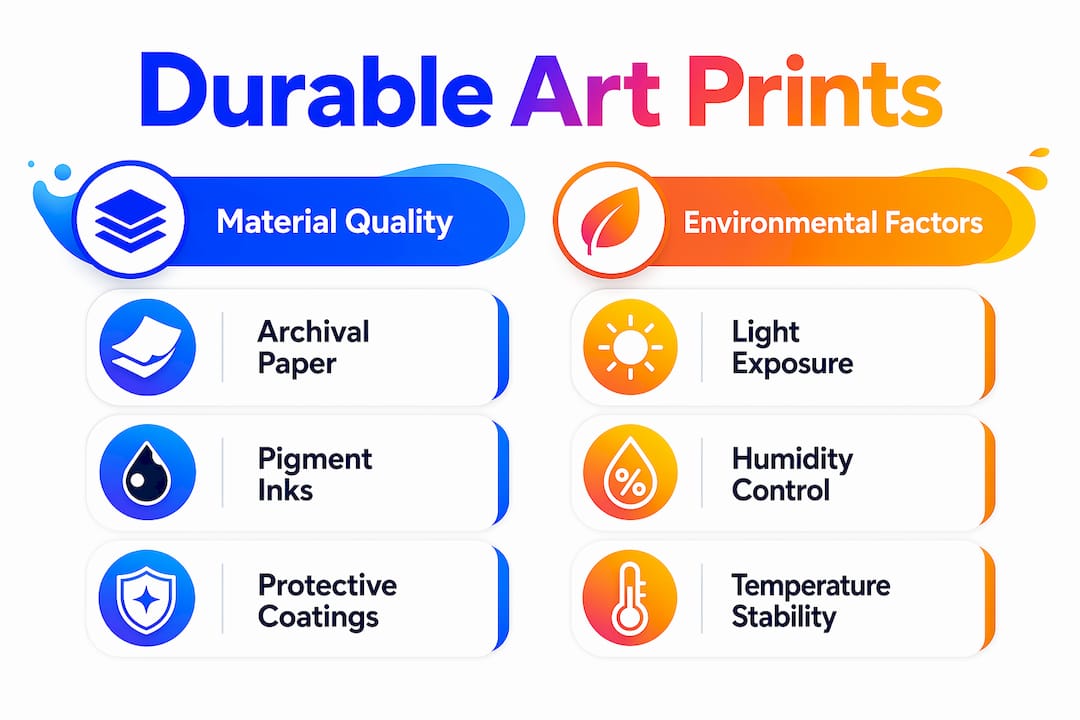
A durable art print is defined by three core elements: the substrate it is printed on, the ink system used, and any protective coating applied. These factors work together to resist fading, moisture, and physical wear. A print that scores well on all three will outlast a budget alternative by decades.
Archival paper and what it actually means
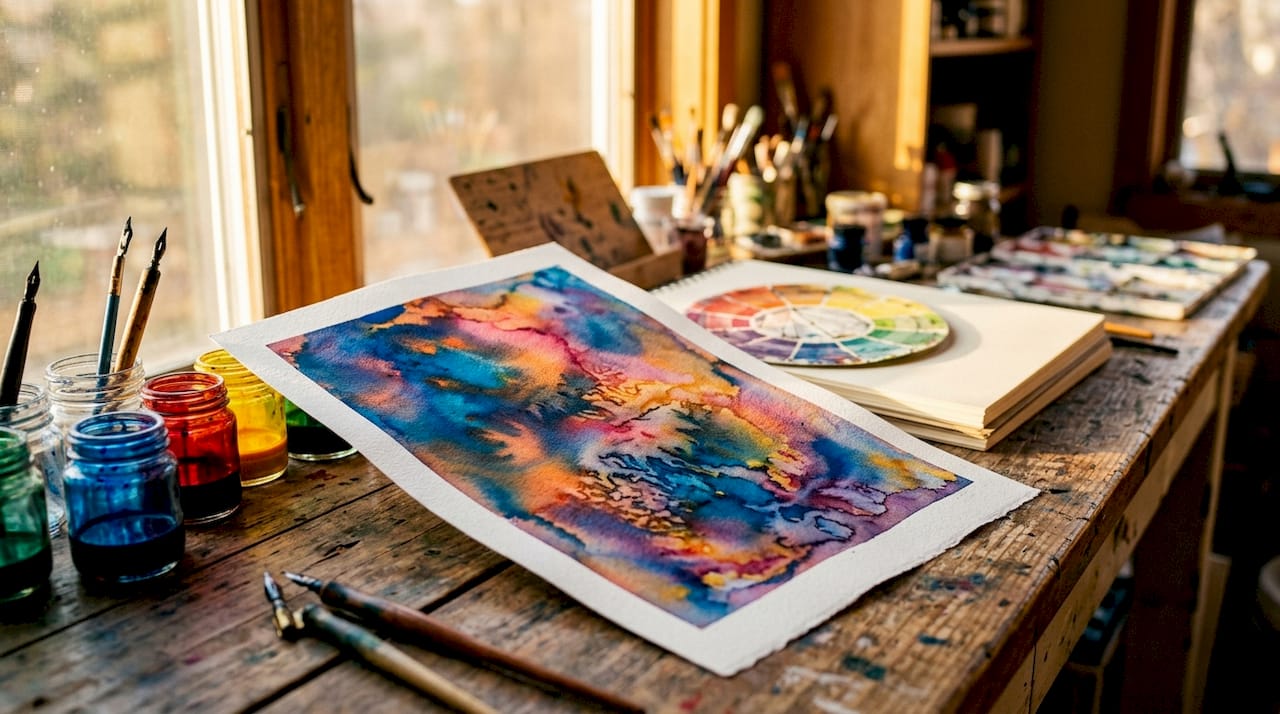
Archival paper is acid-free, lignin-free paper manufactured to resist yellowing and brittleness over time. Named archival papers such as Hahnemühle Photo Rag and German Etching carry certification for lifespans exceeding 100 years under correct display conditions. That certification is not marketing language. It reflects standardized testing by independent labs measuring light stability, humidity resistance, and chemical neutrality.
Paper weight as a quality filter
Paper weight, measured in grams per square meter (GSM), is the fastest quality filter you can apply before buying. Prints under 200 GSM lack the physical presence and durability expected of fine art prints. They feel closer to poster stock and are more prone to warping and tearing. The industry standard for fine art prints starts at 200 GSM, and museum-grade prints typically reach 300 GSM and above.
Pro Tip: When shopping online, check the product specifications for GSM. If the seller does not list paper weight, treat that as a red flag and ask before buying.
UV-resistant inks and protective coatings
Giclée printing uses pigment-based inks rather than dye-based inks. Pigment inks bond more deeply with the substrate and resist ultraviolet light far better than dye inks. Many quality prints also receive a protective coating, either matte, satin, or gloss, that adds a physical barrier against dust, moisture, and handling. Aluminum art prints take durability further still. Aluminum prints are 94% recycled and 100% recyclable, use water-based inks, and offer physical robustness that paper substrates cannot match.
Canvas prints vs. fine art paper prints: which lasts longer?
Canvas and fine art paper are the two dominant substrates for wall art, and each has a distinct durability profile. Choosing between them depends on your room conditions, aesthetic goals, and how much maintenance you are willing to do.
Canvas print durability
Canvas prints stay vibrant, resist sunlight, and are less likely to warp or yellow over time compared to standard paper prints. The polyester-cotton blend used in most gallery-wrap canvases handles humidity fluctuations better than paper. Canvas also does not require glass framing, which removes one potential point of failure. The textured surface adds a painterly quality that suits bold, abstract, and large-format designs.
Fine art paper print durability
Fine art paper prints, when produced on certified archival stock with pigment inks, can match or exceed canvas in longevity. Their advantage lies in color accuracy and tonal range. Giclée prints on Hahnemühle or Canson Infinity paper reproduce photographic detail and subtle gradients that canvas texture can obscure. They do require proper framing with UV glass and acid-free mats to reach their full lifespan potential.
| Feature | Canvas prints | Fine art paper prints |
|---|---|---|
| Typical lifespan | 75+ years with proper care | 100+ years on archival stock |
| UV resistance | High (pigment inks, no glass needed) | High with UV-protective glazing |
| Moisture tolerance | Good | Moderate (requires framing) |
| Finish options | Matte, gloss, satin | Matte, gloss, satin, textured |
| Best for | Bold art, humid rooms, large walls | Photography, detailed work, galleries |
| Maintenance | Low | Low to moderate |
Pro Tip: Match the print type to the room. A bathroom or kitchen benefits from canvas or aluminum because of humidity. A home office or gallery wall suits fine art paper framed with UV glass.
How do environmental factors affect the longevity of art prints?
The best materials in the world will not save a print placed in the wrong environment. Light, humidity, temperature, and framing choices all accelerate or slow the aging process.
Light exposure
Direct sunlight is the single biggest threat to any art print. UV radiation breaks down both dye-based and pigment-based inks, though pigment inks degrade far more slowly. UV-protective glazing and thoughtful lighting placement preserve delicate works on paper. Positioning prints away from south-facing windows or using UV-filtering window film extends their life significantly.
Humidity and temperature
Humidity causes paper fibers to expand and contract, leading to warping, buckling, and mold growth over time. Stable indoor humidity between 40% and 60% is the accepted standard for art storage and display. Canvas handles humidity swings better than paper, but neither substrate benefits from extreme fluctuations. Avoid hanging prints directly above radiators, fireplaces, or air conditioning vents.
Framing and care practices
Framing with acid-free mats and UV glass, combined with careful placement, protects prints from both light and physical damage. The mat creates an air gap between the print surface and the glass, preventing moisture condensation from touching the paper. Here is a practical maintenance checklist:
- Do use acid-free mats and UV-filtering glass for paper prints.
- Do dust canvas prints with a soft, dry cloth every few months.
- Do hang prints on interior walls away from direct sunlight.
- Do check hanging hardware annually for stability.
- Don’t use chemical cleaners on any print surface.
- Don’t store rolled prints in plastic, which traps moisture.
- Don’t hang prints in bathrooms without protective framing or a canvas substrate.
- Don’t touch the print surface with bare hands, as skin oils degrade coatings.
How to choose durable art prints for your home or office
Selecting a print that will last requires looking past the image and evaluating the production quality behind it. These steps give you a reliable framework for any purchase.
-
Check the substrate and GSM. Ask for paper weight before buying. Fine art prints start at 200 GSM. Museum-grade pieces reach 300 GSM and above. If the seller cannot confirm GSM, the print is likely poster quality.
-
Confirm archival ink certification. Pigment-based giclée inks are the standard for archival prints. Dye-based inks fade faster and are common in budget printing. Ask whether the printer uses pigment or dye inks.
-
Prioritize licensed, high-quality reproductions. Limited edition size matters less for durability than paper quality and licensing authenticity. An open-edition print on 300 GSM archival paper outperforms a numbered edition on cheap stock every time.
-
Select the right finish for your lighting. Gloss finishes reflect light and suit rooms with controlled, indirect lighting. Matte finishes reduce glare and work better in brightly lit offices or rooms with large windows.
-
Choose a frame that protects, not just decorates. Acid-free mats, UV glass, and sealed backing boards are not optional extras for fine art paper prints. They are the difference between a print that lasts 20 years and one that lasts 100. For guidance on selecting and displaying wall art, Colormelt’s guide on choosing quality wall art covers framing and placement in detail.
-
Match substrate to environment. Canvas or aluminum for humid or high-traffic spaces. Fine art paper for controlled environments where color accuracy matters most.
For a broader look at print types and how they compare, Colormelt’s overview of art print types breaks down canvas, acrylic, wood, and framed options side by side.
Key Takeaways
A durable art print is defined by its substrate, ink system, and framing, not by its image alone. Material quality is the single most reliable predictor of how long a print will hold its color and structure.
| Point | Details |
|---|---|
| Paper weight is the first filter | Choose prints at 200 GSM minimum; museum grade starts at 300 GSM. |
| Archival papers last 100+ years | Hahnemühle Photo Rag and German Etching carry certified longevity under proper conditions. |
| Canvas suits humid environments | Canvas resists moisture and UV better than unframed paper prints. |
| Framing protects paper prints | Acid-free mats and UV glass are required for fine art paper to reach its full lifespan. |
| Placement matters as much as material | Direct sunlight degrades even pigment inks; position prints on interior walls away from windows. |
Why I stopped judging prints by their images alone
The most common mistake I see buyers make is choosing art entirely on visual appeal and ignoring the physical object holding that image. I have watched beautiful prints turn yellow and brittle within five years because the buyer never asked about paper weight or ink type. The image was stunning. The substrate was not.
Interior designers note that durability relates to long-term enjoyment, and that high-quality, intentionally chosen prints become lasting fixtures integrated with home design. That observation matches what I have seen in practice. Art durability is as much about lasting personal connection as material longevity. A piece you love deeply deserves a substrate that keeps it looking the way it did on day one.
My advice is to treat art prints the way you treat furniture. You would not buy a chair without asking what it is made of. Apply the same logic here. Ask about GSM, ask about ink type, and ask about framing options before you commit. The image draws you in. The materials keep you satisfied for decades. Buying intentionally, with quality as the first criterion, is the only approach that holds up over time.
— Shlomo
Colormelt’s wall art collection: built for lasting quality
Colormelt designs and produces wall art with durability built into every piece, from fade-resistant pigment inks to substrates chosen for long-term vibrancy.
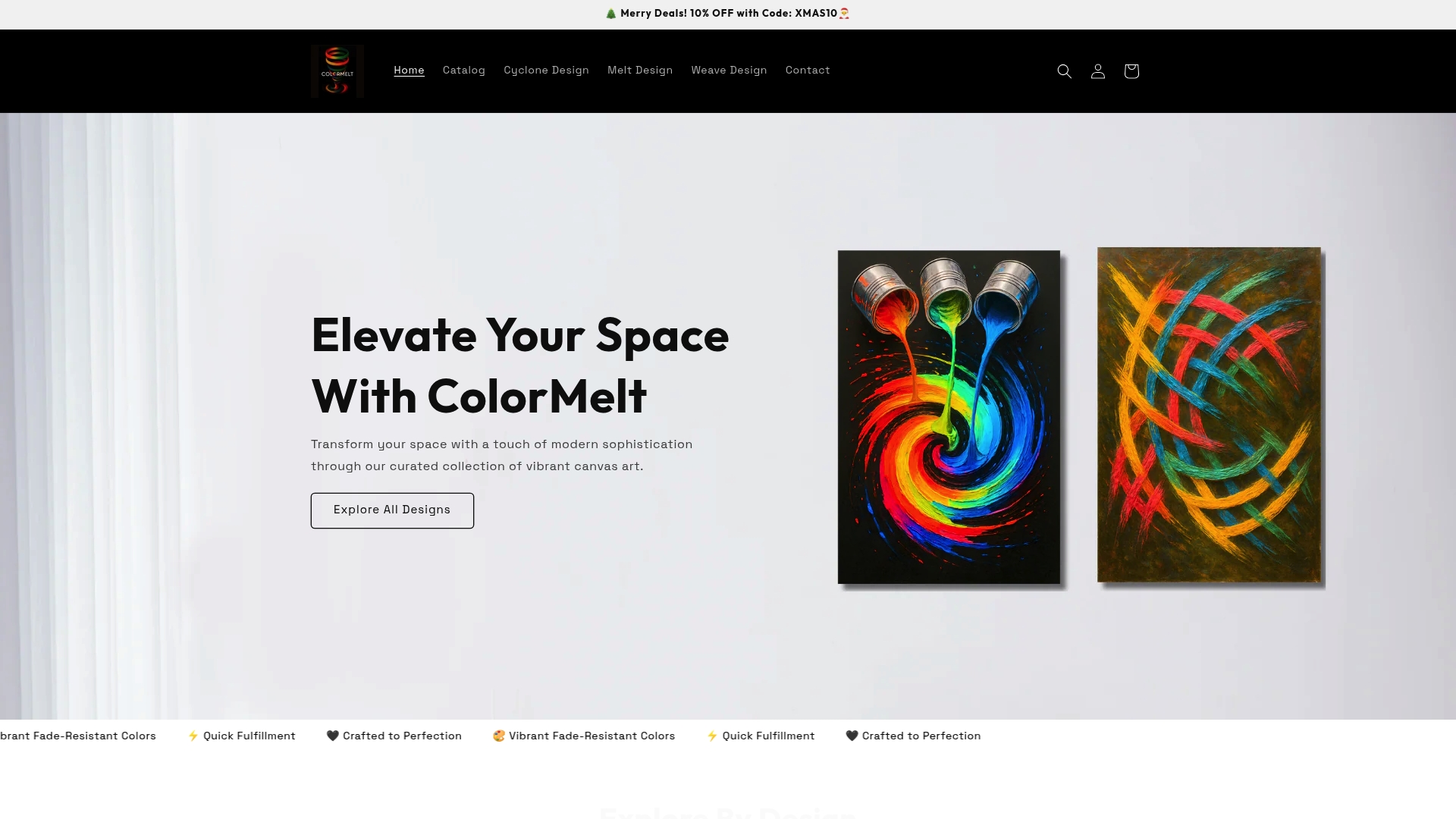
The Colormelt wall art collection includes canvas prints, framed artwork, and specialty formats across abstract, weave, cyclone, and floral motifs. Each piece is produced with fade-resistant colors and crafted for display in both home and office settings. If you want a specific starting point, the Vibrant Wooden Framed Gallery Wall Art in Weave Design combines a protective wood frame with high-quality print materials, making it a practical choice for buyers who want longevity without sacrificing style.
FAQ
What is a durable art print made of?
A durable art print is made with archival paper or canvas, pigment-based giclée inks, and often a protective coating. Fine art paper prints use certified substrates like Hahnemühle Photo Rag, while canvas prints use UV-resistant inks on polyester-cotton blends.
Are art prints durable enough for office display?
Yes, provided they use pigment inks and are properly framed with UV glass. Canvas and aluminum prints are especially well-suited to offices because they handle humidity and light exposure without requiring glass framing.
What paper weight should I look for in a quality art print?
Look for a minimum of 200 GSM for fine art prints. Museum-grade prints reach 300 GSM and above. Prints below 200 GSM are closer to poster quality and lack the physical durability of archival stock.
How long do durable art prints last?
Canvas prints last 75 or more years with proper care. Fine art paper prints on certified archival stock, such as Hahnemühle or German Etching paper, carry certifications for lifespans exceeding 100 years under correct display conditions.
What is the best way to protect an art print from fading?
Hang the print away from direct sunlight, use UV-protective glazing for paper prints, and maintain indoor humidity between 40% and 60%. Acid-free mats and sealed backing boards add further protection for framed paper prints.