
10 Unique Home Decor Types for a Deeply Personal Space
Unique home decor types are distinct artistic elements that personalize living spaces through mood, story, and function. Professionals now recognize over 30 interior design styles ranging from Art Deco to Scandinavian, which means the options for building a genuinely personal home have never been broader. The challenge is not finding choices. The challenge is knowing which types of decor actually reflect who you are and work with how you live. This guide cuts through the noise and gives you a clear, practical look at the decor categories worth your attention in 2026.
1. What are the key characteristics that define unique home decor types?
Unique home decor is defined by three qualities: mood translation, adaptability, and personal narrative. A piece that hits all three will feel at home in your space for years. A piece that hits none will feel like a showroom prop within months.
Mood and atmosphere come first. Designers who work with mood-based design discussions report that most people struggle to name their style but can immediately describe how they want a room to feel. Serene, lively, warm, or charged with energy. That emotional target is your real starting point, not a style label.
Adaptability separates lasting decor from impulse buys. Consumer preference is shifting toward modular and multi-functional pieces that earn their place in more than one way. A piece that only looks good but does nothing else will lose the competition for floor space in a small home.
Personal narrative turns a house into a home. Layered decor that mixes meaningful pieces achieves individuality far better than strict adherence to one style. The goal is a space that tells your story, not a catalog page.
- Mood-driven selection: choose pieces that match the feeling you want in the room, not just the look
- Multi-functionality: favor items that serve two or more purposes
- Personal meaning: every piece should connect to something real in your life
- Surprise and refinement: the best spaces balance polished elements with one unexpected detail
Pro Tip: Before buying any decor item, ask yourself one question. “Does this make me feel something?” If the answer is no, put it back.
2. Modular fractal furniture
Modular fractal furniture is the most talked-about category in creative interior design right now. These are pieces designed to grow, shrink, and reconfigure based on your needs. Think shelving units that expand into room dividers, or seating blocks that stack into sculptural forms.
The appeal is practical and visual at the same time. Furniture that combines storage and seating or reconfigures into new shapes gives you more control over your space without requiring you to buy new pieces every time your life changes. That flexibility is especially valuable in apartments and smaller homes.
The sculptural quality of fractal furniture also means it doubles as art. A well-designed modular shelf is a statement piece even when it is empty. That dual role is exactly what makes it one of the strongest unconventional home furnishings on the market today.
3. Multi-functional statement seating
Statement seating that also solves a storage or organizational problem is one of the fastest-growing categories in distinctive decor styles. The Laundry Chair by Yetch Studio is a clear example. It is a sculptural seat with a built-in laundry bag, merging a daily chore with a design object.
Designers recommend checking whether large or unconventional pieces can be disassembled or easily relocated before you buy. That advice matters most for renters and anyone who moves frequently. A beautiful chair that cannot fit through a doorway in pieces is a liability, not an asset.
Multi-functional seating works best in living rooms and bedrooms where you need both comfort and storage. The key is choosing a piece whose form is strong enough to stand alone as a visual anchor, even when the storage function is hidden.
Pro Tip: Measure your doorways and hallways before ordering any large statement piece. A piece that cannot be moved without damage will limit your options every time you rearrange or relocate.
4. Narrative-driven decorative accents
Narrative-driven accents are objects that carry a story. A ceramic piece made by a local artist, a textile from a place you have traveled, or a framed print that references something personal. These are not random decorations. They are evidence of a life lived.
Unique homes reflect personality and balance elevated style with unexpected elements. A single surprising accent in an otherwise clean room creates more visual interest than a room full of matching pieces. The contrast is the point.
The practical rule here is restraint. One or two strong narrative pieces per room is enough. More than that and the story becomes noise. Less than that and the room feels generic.
5. Large-scale wall art
Large-scale wall art is the fastest way to change the mood of a room without touching the furniture. A single canvas that covers a significant portion of a wall shifts the entire color temperature and emotional register of the space.
Abstract, weave, cyclone, and floral motifs each create a different atmosphere. Abstract prints push energy and movement. Floral motifs bring warmth and softness. Cyclone designs create a sense of motion that makes a room feel alive. Choosing the right motif means knowing the mood you want first, then finding the print that delivers it.
Colormelt’s wall art collection uses fade-resistant colors and quality materials, which matters more than most buyers realize. A print that fades in two years is not a decor investment. It is a temporary fix. Durable materials protect the visual impact you paid for.
6. Handcrafted ceramic and sculptural objects
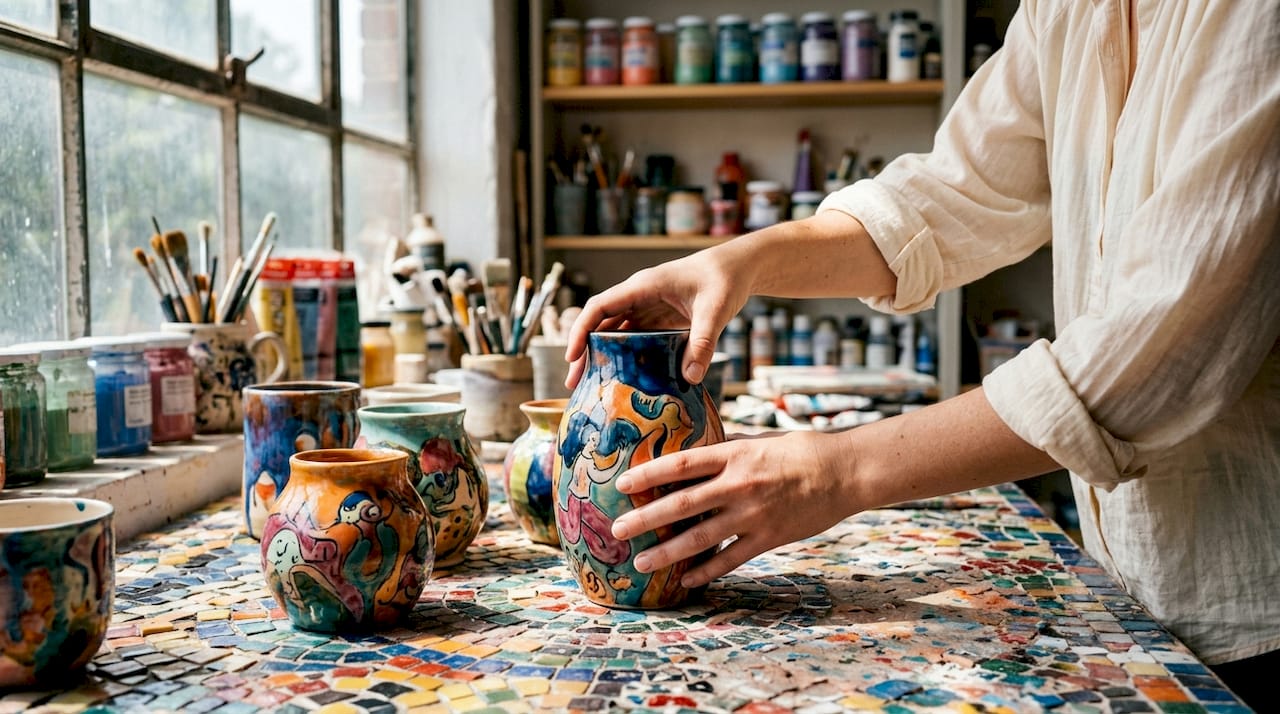
Handcrafted ceramics occupy a unique position in the decor world. They are functional, artistic, and deeply personal all at once. A handmade bowl or vase carries visible evidence of the maker’s hand, which gives it a warmth that mass-produced objects cannot replicate.
The texture and imperfection of handcrafted pieces create contrast against clean-lined modern furniture. That contrast is what makes a room feel curated rather than assembled. One strong ceramic piece on a shelf or coffee table does more work than a dozen matching store-bought accessories.
Sourcing locally made ceramics also connects your home to your community. That layer of meaning is exactly what personal satisfaction over trends looks like in practice.
7. Textile wall hangings and fiber art
Textile wall hangings bring texture into a room in a way that paint and prints cannot. Woven fiber art, macramé panels, and hand-stitched tapestries add a tactile dimension that makes a space feel warmer and more layered.
The category has expanded well beyond bohemian aesthetics. Contemporary fiber artists work in geometric patterns, abstract forms, and monochromatic palettes that fit minimalist and modern interiors just as well as eclectic ones. This flexibility makes textile art one of the most versatile options in trendy home design ideas right now.
Hanging a large textile piece also solves an acoustic problem. Soft materials absorb sound, which reduces echo in rooms with hard floors and bare walls. That functional benefit is a bonus most buyers do not expect.
8. Vintage and repurposed furniture
Vintage and repurposed furniture is the original unconventional home furnishing. A mid-century modern chair reupholstered in a bold fabric, or an industrial factory cart converted into a coffee table, carries history that new furniture simply cannot offer.
The key distinction is intentionality. Vintage pieces chosen for their story and quality read as curated. Vintage pieces chosen randomly read as cluttered. One strong vintage anchor per room is the standard that works consistently across different interior styles.
Repurposed furniture also scores well on sustainability, which matters to a growing number of buyers. Choosing a piece with a second life reduces waste and adds a layer of meaning that aligns with the personal happiness over conformity principle that defines authentic decor.
9. How to choose unique decor types that fit your life
Choosing distinctive decor styles that last requires a different process than standard shopping. These four steps cut through the confusion.
- Define your mood first. Write down three words that describe how you want each room to feel. Use those words as a filter for every purchase decision.
- Assess multi-use potential. Avoid decor limited to single use and favor items that offer modularity or evolving purpose. A piece that grows with your needs will outlast a purely decorative one.
- Check transportability. Ease of disassembly and transport is a real factor for anyone in a transient living situation. Confirm before you commit to a large or unconventional piece.
- Ask the happiness question. Does this piece make you happy and fit your actual life? That question matters more than whether a piece matches a current trend.
Pro Tip: Visit a room you love in a friend’s home or a hotel and take a photo. That image will tell you more about your real taste than any style quiz.
10. Colorful and abstract canvas prints
Canvas prints in bold, abstract compositions are one of the most accessible entry points into creative interior design. They require no installation expertise, work in almost any room, and deliver immediate visual impact.
The color palette you choose does real work. Warm tones like amber, terracotta, and deep red create intimacy. Cool tones like teal, cobalt, and slate create calm. A print that bridges both palettes with strong contrast creates energy without chaos. Understanding that relationship helps you style colorful wall decor with confidence rather than guesswork.
Abstract prints also age better than representational art in most interiors. Their meaning shifts as your life and tastes evolve, which makes them a stronger long-term investment than a print tied to a specific trend or moment.
Key takeaways
Unique home decor works best when every piece connects to your mood, serves more than one purpose, and carries personal meaning rather than trend-driven appeal.
| Point | Details |
|---|---|
| Mood drives every decision | Define how you want a room to feel before selecting any piece. |
| Multi-functionality extends value | Favor pieces that serve two or more roles to maximize longevity in any space. |
| Personal narrative beats style rules | Layered, meaningful decor creates more individuality than strict adherence to one style. |
| Transportability matters | Check disassembly options before buying large or unconventional pieces, especially for renters. |
| Bold wall art changes everything | A single large-scale print shifts a room’s mood faster than any furniture change. |
What I have learned about choosing decor that actually feels like you
Most people approach decor shopping the wrong way. They start with a style label, “I want a Scandinavian living room,” and then force every purchase to fit that label. The result is a room that looks coherent in a photo and feels sterile in person.
The better approach is to start with a feeling. I have seen this play out consistently. The rooms that feel genuinely personal are never the ones built around a single style. They are the ones where someone bought a piece because it made them feel something, then built around it. That first piece is usually the most honest thing in the room.
The balance between refinement and surprise is real and worth pursuing. A room that is all refinement feels like a hotel lobby. A room that is all surprise feels like a storage unit. The sweet spot is one unexpected element per room, something that makes a visitor stop and ask about it. That question is the sign you got it right.
Trends are useful as a starting point, not a destination. Use them to understand what is available, then filter everything through your own mood and story. The decor that impacts mood most powerfully is always the piece that meant something to you before it was fashionable.
— Shlomo
Colormelt’s curated art for spaces that mean something
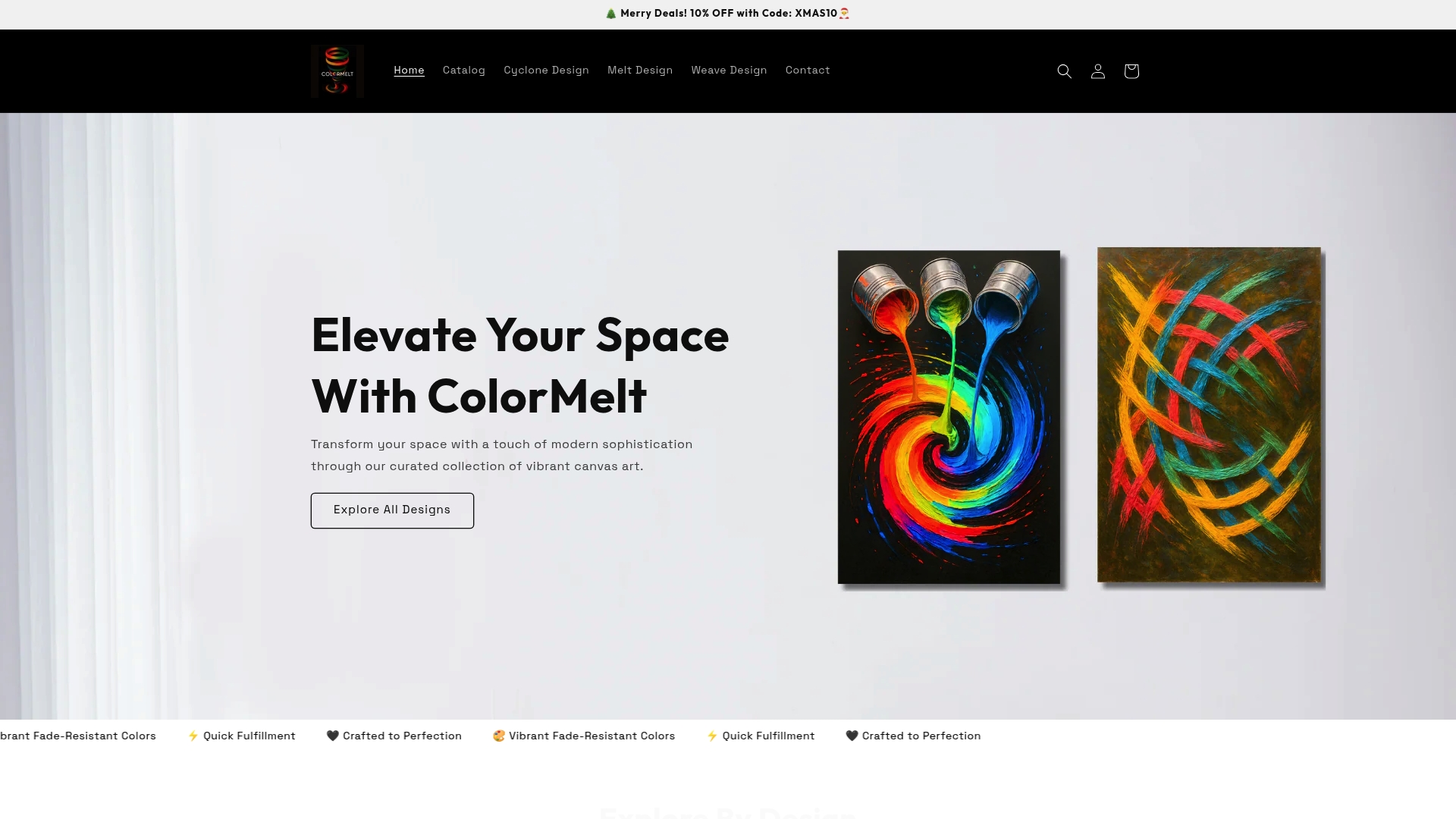
Colormelt carries a curated selection of wall art and canvas prints built for people who want their walls to do more than fill space. The collection spans abstract, weave, cyclone, and floral motifs, all printed with fade-resistant colors on quality materials. Each piece is designed to anchor a room and hold its visual impact over time. If you want something bolder, the Cyclone design collection brings high-contrast color and motion into any room without overwhelming it. Colormelt also offers personalized wall art options for buyers who want something built around their specific space and palette.
FAQ
What makes home decor truly unique?
Unique decor reflects personal mood, story, and function rather than trend conformity. Layering meaningful pieces from different sources creates individuality that no single style formula can replicate.
How do I choose unique decor for a small space?
Prioritize multi-functional pieces that combine storage, seating, or display in one object. Modular furniture and large-scale wall art deliver strong visual impact without consuming extra floor space.
How many distinct interior design styles exist?
Professionals recognize over 30 interior design styles in 2026, ranging from Art Deco to Scandinavian. That range gives you significant room to build a genuinely personal aesthetic rather than defaulting to one mainstream look.
Should I follow trends when choosing unique decor?
Trends are a useful reference point, not a rule. Decor chosen for personal happiness and fit creates more enduring spaces than decor chosen to match what is currently popular.
What type of wall art works best for a unique home?
Large-scale abstract or motif-based canvas prints shift a room’s mood faster than any furniture change. Choose a color palette that matches the feeling you want in the room, then select a print that delivers that palette with strong visual contrast.