
Bedroom Wall Art Ideas to Create Your Perfect Space
Bedroom wall art is defined as any visual element placed on a wall to create a focal point, set a mood, or express personal identity in a sleeping space. The most effective approach centers on one key principle: treat the wall behind your bed as a statement wall, a single surface intentionally designed to anchor the entire room. Interior designers call this an accent wall, and the ideal location is the longest uninterrupted wall, free of windows or doors that break visual flow. Get this one wall right, and the rest of the room falls into place around it.
1. What are the best bedroom wall art ideas for a statement wall?
The wall behind your headboard is the natural focal point of any bedroom. It is the first surface you see when you walk in, and it frames the bed the way a stage frames a performer. Statement walls are defined as single walls treated with a distinct finish or art arrangement to serve as the room’s visual anchor.
You have several strong options for this wall:
- Large-scale canvas or framed art placed directly above the headboard
- Bold paint colors like deep navy, rich forest green, or warm terracotta
- Patterned wallpaper for texture and visual complexity
- Wood paneling or shiplap for warmth and dimension
- A gallery wall combining multiple pieces in varied sizes
Each approach works differently depending on your room size and personal style. Bold paint creates drama fast and costs little. Large-scale art makes a single powerful statement without requiring multiple decisions. Gallery walls take more planning but reward you with personality and depth.
Pro Tip: The two-thirds rule is your best friend here. Art above the bed should span about two-thirds the width of your headboard or bed frame. This keeps proportions balanced and prevents the art from looking either lost or overwhelming.
2. How to hang art at the right height
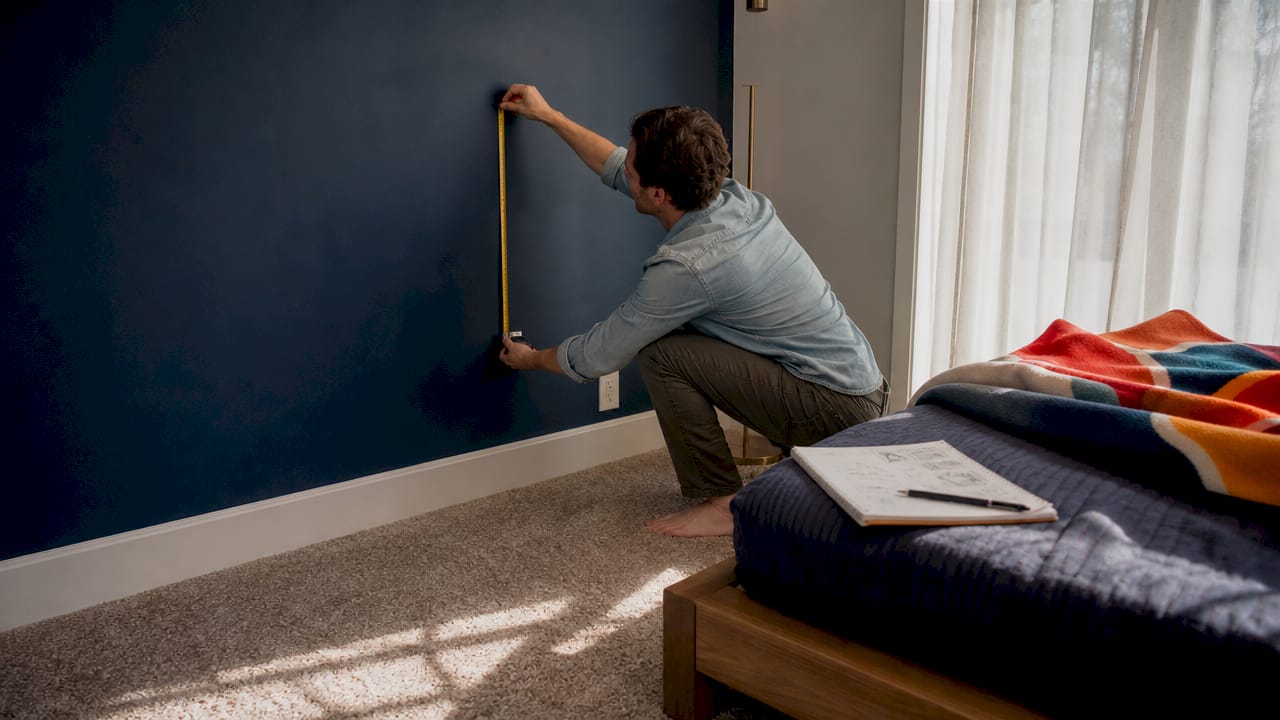
Placement height is the single most common mistake in bedroom wall decor. Most people hang art too high, which creates a visual disconnect between the furniture and the wall. The correct center point for any piece of art is 57–60 inches from the floor, which matches average eye level when standing.
Above a headboard, you want the bottom edge of the art to sit roughly 6–8 inches above the top of the headboard. This keeps the art connected to the bed visually. If you hang it higher, the art floats and the room feels unanchored.
For gallery walls above the bed, treat the entire arrangement as one unit. Find the center of the whole grouping and position that center point at the 57–60 inch mark. This gives the gallery visual weight without climbing too far up the wall.
3. Gallery wall arrangements that add personality
A gallery wall is one of the most flexible wall art display ideas available. It lets you mix photography, prints, paintings, and objects into a single cohesive story. The key is treating the arrangement as a composition, not a collection of random frames.
Start by laying your pieces on the floor before you touch a nail. Arrange them until the grouping feels balanced. Vary sizes so the eye moves naturally across the wall. Place the largest piece slightly off-center to avoid a rigid, symmetrical look.
- Mix horizontal and vertical orientations for visual rhythm
- Include at least one oversized piece to anchor the arrangement
- Leave consistent spacing of 2–3 inches between frames
- Add one non-frame element, such as a woven hanging or a small shelf, to break the flatness
Mixing frame finishes like matte black alongside aged gold gives the wall a collected, lived-in quality. Matching frames look like a catalog. Mixed frames look like a life.
Pro Tip: Trace each frame on kraft paper, cut out the shapes, and tape them to the wall before hanging. This lets you test the full arrangement without making holes.
4. Large-scale single art pieces for a bold focal point
One large piece of art makes a stronger statement than five small ones. This is the principle behind what designers call statement wall art, which functions as a dynamic communication tool rather than mere decoration. A single oversized canvas or triptych print tells the viewer exactly where to look.
For a queen or king bed, aim for art that is at least 40 inches wide. A 60-inch or wider piece works well above a king headboard and fills the wall without requiring additional pieces around it. Triptych prints, which are three panels displayed together, give you the visual scale of a large piece with the flexibility of separate panels.
Abstract art, fluid designs, and bold color fields work especially well at large scale. They read clearly from across the room and hold visual interest without demanding close inspection.
5. Texture and material trends for bedroom walls in 2026
Modern bedroom wall decor ideas go well beyond paint and wallpaper. Texture is the defining trend of 2026, with designers using physical materials to add depth and luxury to bedroom walls.
Tile accent walls using natural stone aesthetics, large-format tiles, or textured surfaces are increasingly popular in high-end bedroom design. Limestone and travertine finishes bring an organic warmth that paint cannot replicate. These materials work best on the wall behind the bed, where their texture catches light and creates subtle shadow throughout the day.
| Material | Best for | Visual effect |
|---|---|---|
| Large-format tile | Luxury bedrooms | Sophisticated, clean depth |
| Wood paneling | Warm, cozy spaces | Natural warmth and texture |
| Textured plaster | Minimalist rooms | Soft, layered dimension |
| Fabric panels | Quiet, serene spaces | Sound absorption plus softness |
| Bold paint | Any room size | Fast drama, easy to change |
Wall sconces or directed natural light amplify the effect of textured walls significantly. Light that rakes across a textured surface creates shadows that make the texture pop. Flat, overhead lighting flattens the effect entirely.
Pro Tip: In smaller bedrooms, choose subtle texture and tonal contrast over bold patterns. Subtle texture in small rooms enhances the sense of scale without making the space feel crowded.
6. Color choices that set the right bedroom mood
Color is the fastest way to shift the emotional tone of a bedroom. The right palette makes the room feel like a retreat. The wrong one makes it feel like a waiting room.
Bold colors like deep blue, rich green, or warm terracotta create drama on a statement wall but require neutral surroundings to work. Pair a deep navy accent wall with white or warm gray on the remaining three walls. This gives the bold wall room to breathe. When every wall competes, none of them wins.
For a calmer, more serene bedroom, choose art in soft pastels, warm creams, or muted earth tones. Abstract pieces in dusty rose, sage green, or warm sand read as restful without being boring. Vibrant accent colors work well as smaller pieces within a gallery wall, where they add energy without dominating the room.
You can learn more about color selection for wall art to match specific moods and room sizes before committing to a palette.
7. Choosing art that reflects your personal style
The best bedroom wall art ideas are the ones that mean something to you. Art rooted in personal narrative creates emotional resonance and long-term satisfaction in a way that trend-driven choices rarely do. A piece you chose because it moved you will still feel right in five years. A piece you chose because it was popular in 2024 probably will not.
Interior designers stress that visual hierarchy and balance are the foundation of a bedroom that feels cohesive rather than chaotic. Bold art works best when the furniture around it stays simple. Minimal furniture lets the art lead. Busy furniture competes with it.
Ask yourself three questions before buying any piece:
- Does this reflect something I genuinely care about?
- Does the scale work with my bed and wall size?
- Does the color palette complement what is already in the room?
If the answer to all three is yes, the piece belongs in your bedroom. If you are unsure about any one of them, keep looking. The right piece is worth waiting for.
Pro Tip: Personalizing your space with art does not require a large budget. One well-chosen, well-placed piece does more for a bedroom than a dozen generic prints scattered across every wall.
8. Minimalist vs. bold art styles for different bedroom personalities
Minimalist and bold art styles serve completely different emotional purposes in a bedroom. Minimalist art, think single-line drawings, monochrome photography, or simple geometric prints, creates calm and visual quiet. Bold art, such as large abstract canvases with saturated color or dynamic swirl patterns, creates energy and personality.
Neither is better. They suit different people and different rooms. A minimalist bedroom benefits from one or two carefully chosen pieces with strong negative space. A more expressive bedroom can carry a full gallery wall with mixed media and vibrant color.
The mistake most people make is mixing the two approaches without intention. A bold canvas above the bed paired with a dozen small prints on the side wall creates visual noise. Choose a direction and commit to it. You can always explore bold wall art principles to understand how to balance strong pieces within a room before you hang anything.
Key takeaways
The most effective bedroom wall art strategy starts with one well-designed statement wall behind the bed, sized correctly, hung at eye level, and chosen to reflect your personal style over passing trends.
| Point | Details |
|---|---|
| Statement wall placement | The wall behind the headboard is the strongest focal point in any bedroom. |
| Art sizing rule | Art width should equal about two-thirds the width of the furniture below it. |
| Hanging height | Center artwork at 57–60 inches from the floor for the best viewing angle. |
| Texture adds depth | Tile, wood paneling, and textured plaster create dimension that paint alone cannot. |
| Personal narrative wins | Art chosen for emotional meaning outlasts art chosen for trend appeal. |
What I have learned from years of watching bedroom walls get it wrong
Most bedroom walls fail for the same reason: the art is too small, hung too high, and chosen without a clear vision for the wall as a whole. I have seen beautiful rooms undermined by a single 12-inch print floating above a king bed like a postage stamp. Scale matters more than almost any other decision you will make.
The second most common mistake is treating the bedroom like a living room. Bedrooms need a different kind of art. The energy should be lower, the palette more considered, the arrangement less busy. That does not mean boring. It means intentional. A single large abstract canvas in warm, muted tones does more for a bedroom than a gallery wall of twenty pieces ever will.
The texture trend is real and worth paying attention to. Wood paneling behind a bed adds warmth that no paint color can replicate. Textured plaster creates a surface that changes throughout the day as the light shifts. These are not expensive renovations. A wood panel accent wall is a weekend project for most people.
One thing I keep coming back to: lighting is the most underrated part of bedroom wall art. A directed picture light or a pair of wall sconces flanking a large canvas will make any piece look gallery-quality. The same piece under flat overhead lighting looks flat. Invest in the lighting before you invest in more art.
— Shlomo
Colormelt’s wall art collections for your bedroom
Colormelt offers a curated range of bedroom wall art built around the principles covered here: strong color, clear focal points, and pieces designed to anchor a room rather than just fill it.
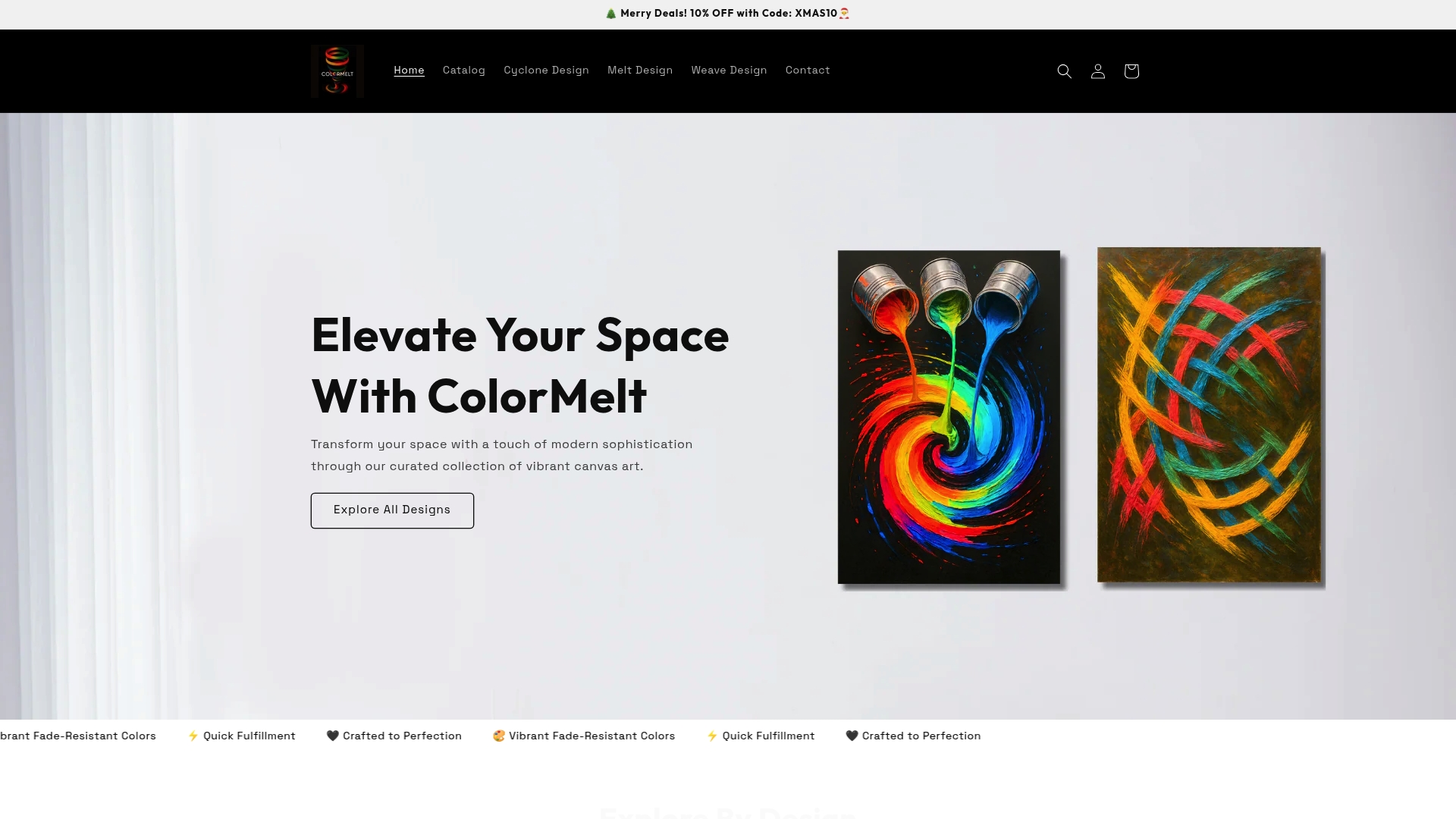
The Colormelt wall art collection includes canvas prints, acrylic prints, framed artwork, and wood prints across abstract, weave, cyclone, and floral motifs. Every piece uses fade-resistant colors and ships with quick fulfillment. For a statement wall with real texture and movement, the Weave Design wall hanging and the Cyclone Design are two of the strongest options for a bedroom focal wall. Both bring the scale, color depth, and visual energy that a statement wall demands.
FAQ
What is a statement wall in a bedroom?
A statement wall is a single wall treated with a distinct finish, color, or art arrangement to serve as the room’s visual focal point. In bedrooms, it is almost always the wall directly behind the headboard.
What is the two-thirds rule for bedroom wall art?
The two-thirds rule means your art should be about two-thirds as wide as the furniture below it. For a king bed, that means art at least 40–48 inches wide to maintain visual proportion.
How high should you hang art above a bed?
Hang art so its center sits 57–60 inches from the floor, with the bottom edge roughly 6–8 inches above the headboard. Hanging higher creates a visual gap between the art and the bed.
What types of wall art work best for bedrooms?
Large-scale canvas prints, framed abstract art, gallery walls with mixed frame finishes, and textured wall hangings all work well. The best choice depends on your room size, color palette, and whether you want a calm or energetic atmosphere.
How do you choose bedroom wall art that lasts?
Choose art based on personal meaning rather than current trends. Art that reflects your identity and connects emotionally will feel right for years, while trend-driven choices often feel dated within a season or two.