
The Role of Texture in Wall Art for Stunning Interiors
Texture in wall art is defined as the surface quality of a piece, whether physically raised or visually implied, that adds depth, dimension, and emotional resonance to any space it occupies. The role of texture in wall art goes far beyond aesthetics. According to Jerwood Visual Arts, tactile and visual surface qualities shape how viewers perceive and emotionally connect with a piece, even without touching it. Citadel Spaces links natural material textures directly to neurological calming responses, while Vogue reports that textile art is experiencing a major design resurgence. Understanding texture is the single most underrated skill in building a home interior that feels genuinely alive.
What is the role of texture in wall art?
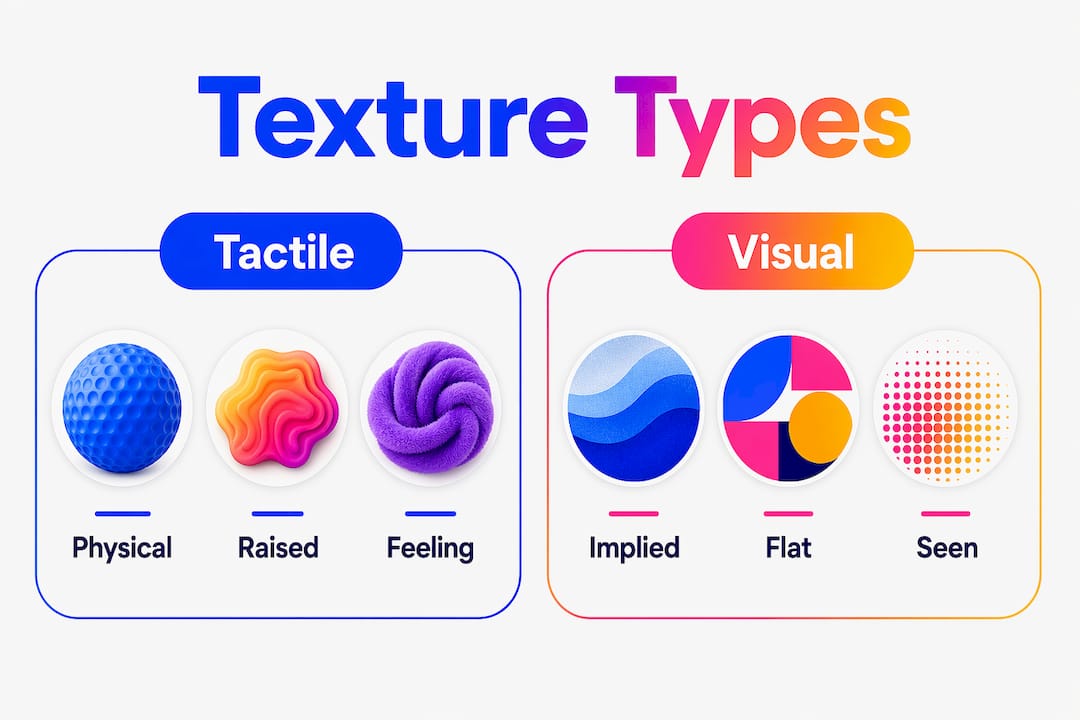
Texture in wall art divides into two distinct categories: tactile texture and visual texture. Knowing the difference changes how you shop, hang, and experience art in your home.
Tactile texture refers to physically raised or three-dimensional surfaces you could feel if you ran your hand across the piece. Impasto painting, where thick paint is applied with a palette knife or brush to create ridges and peaks, is the most recognized example. Relief sculptures, woven fiber art, and mixed media pieces embedding fabric or natural materials all fall into this category.
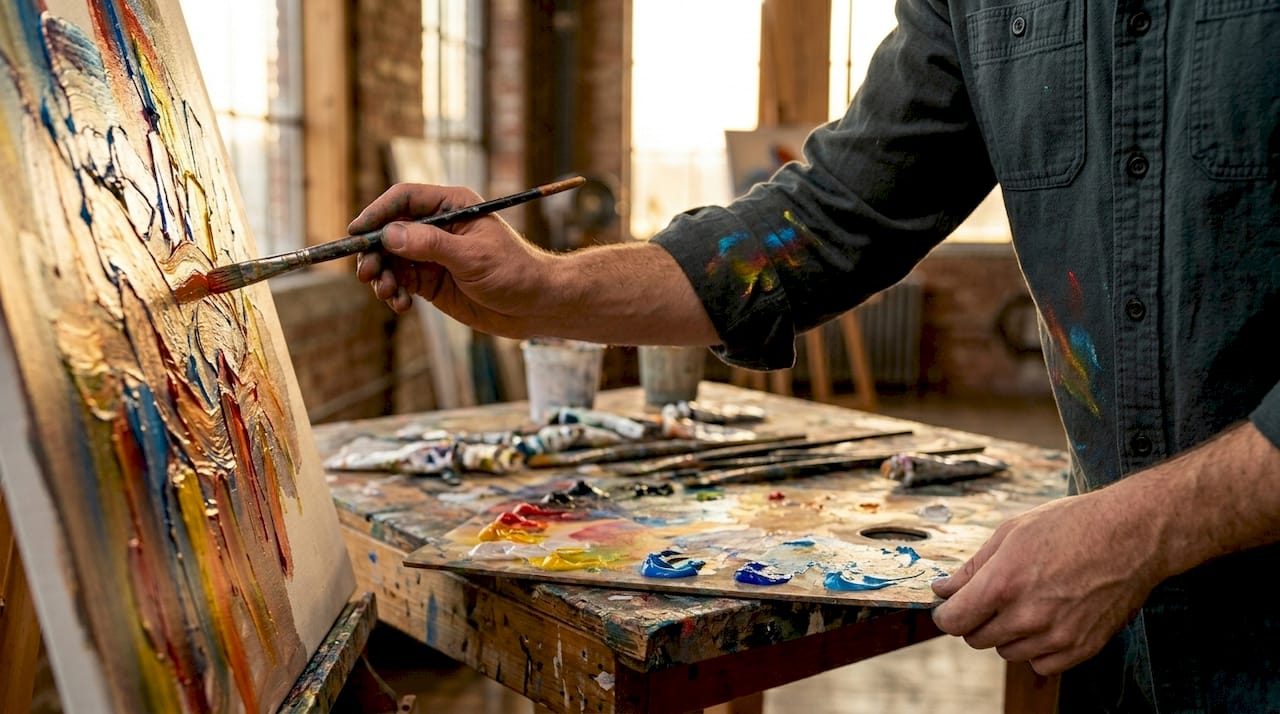
Visual texture, by contrast, creates the illusion of surface variation through marks, shading, and layered color on a flat surface. A photorealistic canvas of rough stone or a detailed abstract print with cross-hatching both carry strong visual texture without any physical relief. The brain reads these optical cues as surface depth, triggering a sensory response nearly as strong as physical touch.
Here is how the two types compare in practical terms:
- Tactile texture creates genuine three-dimensional presence, casts shadows under directional light, and changes appearance throughout the day as light shifts.
- Visual texture works on any flat print medium, including canvas, acrylic, and framed paper, and requires no special installation.
- Mixed media pieces combine both, using printed backgrounds with applied materials like thread, resin, or wood veneer.
- Impasto and relief works carry the highest perceived value in person but are harder to reproduce at scale.
Pro Tip: When browsing art online, zoom into product images to identify whether texture is physical or printed. Physical texture will show shadow variation across the surface; printed texture will look uniform under different lighting angles.
How does texture affect the emotional experience of a room?
Texture is the most consistent measurable calming variable in interior design, tied directly to neurological responses rather than personal taste. Citadel Spaces reports that wood, stone, and woven textiles trigger parasympathetic nervous system activity through the vagus nerve, producing measurable reductions in stress. This means the materials your wall art is made from, or convincingly depicts, are doing biological work in your room.
The Sensory Home explains that hard, reflective textures feel sharper and more stimulating, while soft, absorbent materials feel quieter and more calming. A glossy acrylic print energizes a space. A woven fiber hanging or a canvas with heavy impasto strokes settles it. Neither is wrong. The choice depends on what emotional register you want the room to hold.
Texture also acts as sensory language. According to research on material character, texture signals emotion and memory, linking the physical qualities of a surface to the story a piece communicates. Rough, industrial textures suggest strength and rawness. Soft, layered textiles suggest warmth and intimacy. A piece with natural wood grain reads as grounded and organic. These associations are not accidental. They are deeply embedded in how humans have interacted with materials across centuries.
“Layering textiles adds warmth and narrative, making interiors feel collected, personal, and emotionally resonant.” — Vogue
The practical takeaway for your home is straightforward. Rooms where you want to rest, like bedrooms and reading nooks, benefit from art with soft, absorbent, or natural textures. Rooms where you want energy and focus, like home offices or dining rooms, can handle harder, more reflective surfaces. Understanding how art shapes room mood lets you make those choices deliberately rather than by accident.
What are the practical challenges of choosing textured wall art?
Textured wall art carries real trade-offs that most buyers discover after purchase. Knowing them upfront saves money and frustration.
- Cost increases with physical complexity. Three-dimensional relief work, hand-applied impasto, and woven fiber pieces require significantly more labor and materials than flat prints. Budget accordingly when comparing options.
- Dust accumulates in complex surfaces. Yahoo Shopping notes that ribbed and deeply textured surfaces collect dust at a higher rate than smooth ones, making maintenance more demanding. A woven tapestry in a high-traffic hallway will need regular care.
- Professional installation may be required. Heavy fiber hangings, large relief panels, and three-dimensional mixed media pieces often need wall anchors or specialized mounting hardware. Improper hanging risks damage to both the art and the wall.
- Fragility varies by medium. Impasto paintings are vulnerable to humidity and impact. Woven textiles can snag. Resin-coated pieces are more durable but heavier.
- Removable textiles offer a flexible alternative. Tapestries and fabric wall hangings provide the warmth and tactility of physical texture without permanent commitment, making them ideal for renters or anyone who likes to refresh their decor seasonally.
Pro Tip: If you are new to textured wall decor, start with a single statement piece rather than multiple textured works. One well-chosen woven hanging or impasto canvas delivers more impact than three competing pieces fighting for visual attention.
How can you use texture in wall art to enhance your home’s style?
Using texture in wall design is about creating a sensory conversation between surfaces, not just filling wall space. The goal is a room that feels considered and complete, where each element supports the others.
Citadel Spaces warns that excessive competing textures create visual noise that overwhelms rather than calms. Think of your room as having a texture budget. Spend it intentionally.
Here is a practical framework for incorporating textural elements in paintings and wall pieces:
- Pair hard and soft surfaces. A smooth acrylic print works beautifully alongside a linen sofa or a jute rug. The contrast creates interest without chaos.
- Use one dominant texture per wall. A large woven tapestry, a single impasto canvas, or a wood-mounted print can anchor an entire wall. Adding a second heavily textured piece on the same wall usually tips into visual overload.
- Let lighting do the work. Physical texture changes dramatically under directional light. Position a lamp or track light at an angle to a textured piece and watch the shadows activate the surface.
- Consider scale. Small textured pieces get lost on large walls. A woven piece needs enough size to read from across the room. Vogue recommends tapestries over beds and in hallways specifically because those locations give large-format textile art the space it needs to breathe.
The table below compares common texture approaches by emotional effect and practical fit:
| Texture type | Emotional effect | Best room fit |
|---|---|---|
| Woven fiber / tapestry | Warm, intimate, grounding | Bedroom, living room |
| Impasto canvas | Dynamic, expressive, energizing | Living room, studio |
| Wood-mounted print | Natural, calm, organic | Study, hallway, dining room |
| Smooth acrylic print | Clean, modern, stimulating | Home office, kitchen |
| Mixed media relief | Complex, layered, conversational | Feature wall, entryway |
For guidance on selecting quality wall art that holds up over time, the material and finish matter as much as the visual design. Fade-resistant inks and quality substrates preserve both the color and the surface character of a piece for years.
Key takeaways
Texture is the defining quality that separates wall art that decorates from wall art that transforms, working through neuroscience, material character, and sensory contrast to shape how a room feels.
| Point | Details |
|---|---|
| Two types of texture exist | Tactile texture is physically raised; visual texture creates surface illusion through marks and shading. |
| Texture triggers neurological responses | Natural materials like wood and woven textiles activate the vagus nerve, producing measurable calm. |
| Material character signals emotion | Rough textures suggest strength; soft textures communicate warmth and intimacy. |
| Texture has a budget | Too many competing textures create visual noise that reduces sensory comfort rather than adding it. |
| Removable textiles offer flexibility | Tapestries and fabric hangings deliver tactile warmth without permanent installation or high cost. |
Why texture is the design element most people overlook
I have spent years looking at how people build their walls, and the pattern is consistent. Color gets all the attention. Texture gets treated as a bonus, something that happens to a piece rather than something you choose deliberately. That is a mistake.
The rooms that feel genuinely good to be in, the ones where you exhale when you walk through the door, almost always have one thing in common. They have a mix of surface qualities that your nervous system reads as safe and complete. A smooth wall with a flat print is visually fine. Add a woven piece or a canvas with physical depth, and the room shifts from looking decorated to feeling inhabited.
What I find most interesting is the neuroscience angle. The vagus nerve response to natural textures is not a design theory. It is a measurable biological fact. When you personalize your home with art that includes genuine textural variety, you are not just making aesthetic choices. You are making choices that affect how your body feels in that space every single day.
The one caution I would add from experience: restraint matters more than abundance. One piece with real textural presence beats five pieces competing for the same sensory bandwidth. Choose the texture that serves the room’s emotional purpose, then let it do its work without interference.
— Shlomo
Discover Colormelt’s textured wall art collection
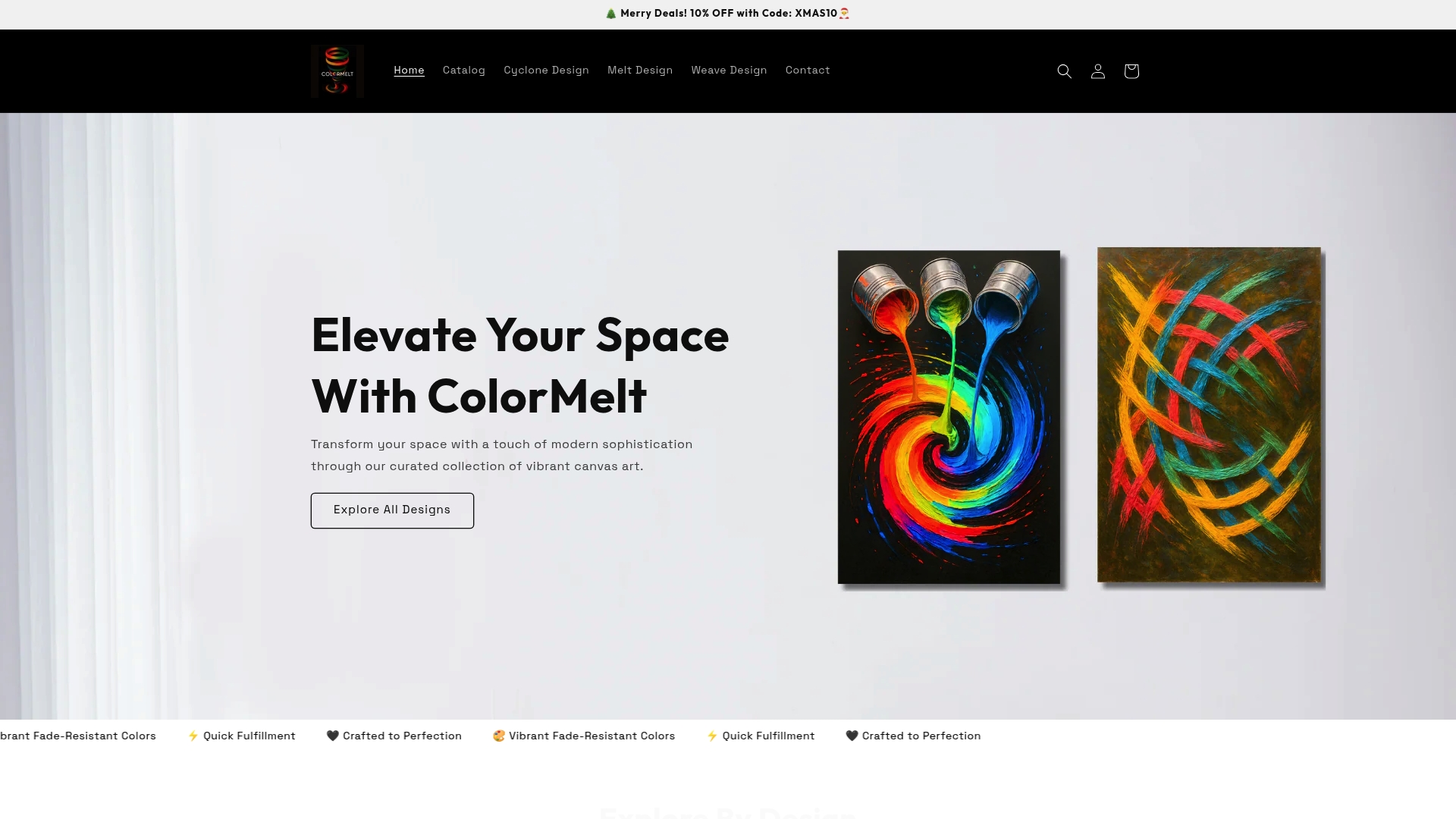
Colormelt’s wall art collection brings together pieces that understand texture as a design tool, not an afterthought. The weave design series, including the Creative Wall Hanging Art Weave Design and the Colorful Wall Decor Weave Design, delivers the layered, tactile quality that transforms a flat wall into a sensory focal point. For those drawn to natural warmth, the wood art Cyclone Design combines organic surface character with bold color. Every piece is crafted with fade-resistant materials so the texture and color hold their impact over time. If you are ready to move beyond flat prints and build walls that genuinely feel as good as they look, Colormelt is the place to start.
FAQ
What is the role of texture in wall art?
Texture in wall art defines the surface quality of a piece, either physically raised or visually implied, and directly shapes the emotional and sensory experience of the room it occupies. It adds depth, dimension, and material character that flat color alone cannot achieve.
What is the difference between tactile and visual texture in art?
Tactile texture involves physically raised surfaces like impasto paint or woven fiber, while visual texture creates a 2D illusion through marks, shading, and layered color on a flat surface.
How does texture in wall art affect mood?
Natural and soft textures trigger parasympathetic nervous system responses through the vagus nerve, promoting calm, while hard and reflective textures feel more stimulating and energizing. The material character of a piece directly shapes the emotional tone of the room.
Can too much texture in a room cause problems?
Yes. Mixing too many competing textures creates visual noise that overwhelms the senses and reduces comfort rather than adding it. Citadel Spaces describes this as exceeding your room’s visual noise budget, which negates the calming effects texture is meant to provide.
What is the most flexible way to add texture to walls without a permanent commitment?
Removable tapestries and fabric wall hangings provide tactile warmth and visual depth without permanent installation, making them ideal for renters or anyone who wants to adapt texture seasonally without structural changes.