
What Is Sustainable Art? A Guide for Eco-Conscious Enthusiasts
Sustainable art is defined as the practice of creating artwork that prioritizes environmental, social, and economic responsibility across the full lifecycle of a piece, from raw material selection through display, sale, and eventual disposal. The term overlaps with the recognized field of ecological art, which expands the definition to include social justice and ecosystem restoration as core goals. Both terms describe art that treats the creative process itself as an ethical act. Understanding what is sustainable art means looking beyond the finished object and examining every decision that shaped it, including the pigments, the studio energy source, the packaging, and the shipping route.
What materials and techniques qualify as sustainable art practices?
Sustainable art uses natural, reclaimed, or recycled materials in place of synthetic or toxic supplies. That substitution is the most visible entry point into eco-friendly art techniques, but the full picture is wider than a shopping list of approved materials.

Common sustainable materials
The most frequently used materials in sustainable art practices fall into three categories.
- Natural and organic materials. Organic cotton canvas, plant-based pigments, beeswax encaustic, and cold-pressed linseed oil are all low-impact alternatives to petroleum-derived products. FSC-certified wood panels replace standard lumber, ensuring the source forest is managed responsibly.
- Reclaimed and upcycled materials. Upcycling converts discarded objects, such as salvaged timber, vintage fabric, or industrial offcuts, into finished artworks without breaking them down first. Recycling, by contrast, processes waste into raw feedstock before reuse. Upcycling preserves more embodied energy and is generally the lower-impact option.
- Low-VOC and water-based mediums. Conventional oil painting solvents release volatile organic compounds (VOCs) that harm air quality inside studios and contribute to outdoor pollution. Water-based alternatives and low-VOC mediums reduce those emissions significantly, improving both artist health and environmental outcomes.
Sustainable studio practices
Material choice is only part of the equation. Greener studio practices include switching to LED lighting, improving ventilation to reduce chemical buildup, composting organic scraps, and managing hazardous waste through certified disposal channels. Artists who document and share these practices publicly help shift industry norms and inspire peers to adopt similar habits.
Pro Tip: Start with one substitution, such as replacing petroleum-based solvents with a water-based medium, before overhauling your entire studio. Incremental changes are easier to maintain and evaluate.
How does transparency and durability influence sustainable art?
Transparency is the single most credible signal that an artwork is genuinely sustainable. Artists should openly document the compromises they make rather than claiming zero environmental impact, because zero impact is not achievable. Honest disclosure builds trust with collectors and raises the overall standard of the field.
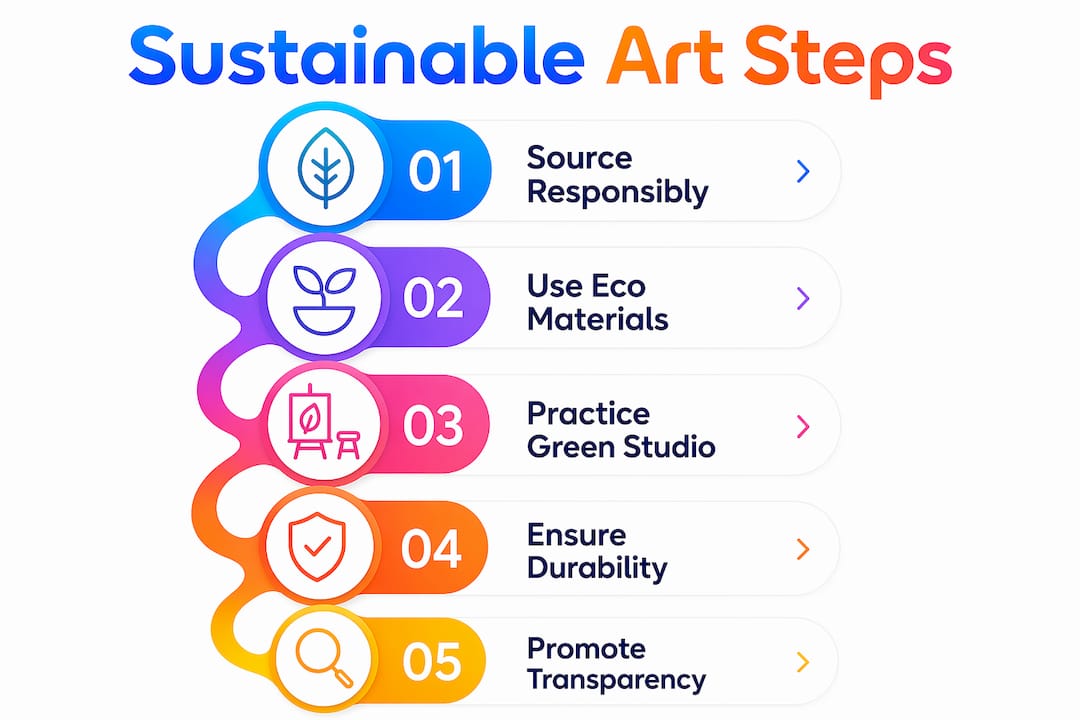
Durability is the second factor that collectors and enthusiasts most often overlook. A piece made from biodegradable materials that degrades within a decade may have a higher lifetime environmental cost than a well-constructed traditional canvas that lasts a century. Durable artworks reduce the need for replacements, which directly lowers cumulative resource consumption.
Several misconceptions complicate this picture:
- “Natural” does not automatically mean low-impact. Some natural pigments require energy-intensive extraction or contain heavy metals.
- “Biodegradable” does not mean sustainable. Short-lived works that decompose in landfills still consume resources during production.
- “Recycled content” does not guarantee the rest of the supply chain is clean. Packaging, shipping, and framing all add to the footprint.
“The most honest thing an artist can do is name the trade-offs. A piece made with reclaimed wood but shipped across three continents in non-recyclable packaging has not solved the problem. It has just moved it.”
Collectors who ask specific questions get better answers. Asking “What is the wood certified to?” or “How was this packaged for shipping?” forces a level of specificity that vague eco-claims cannot survive.
What role does sustainable art play in raising environmental and social awareness?
Sustainable art functions as more than a material practice. Ecological art blends environmental and social concerns to encourage long-term positive impact, turning finished pieces into tools for community reflection and cultural dialogue. That dual function, material responsibility plus social message, is what separates the sustainable art movement from simple green consumerism.
Artists working in this space often collaborate with ecologists, urban planners, and community organizations. Those partnerships improve material authenticity and ground the work in real ecological data rather than aesthetic gesture. The National Art Education Association’s 2026 guidelines explicitly encourage cross-disciplinary partnerships as a way to move beyond surface eco-trends and build genuine expertise into the creative process.
The social justice dimension is equally concrete. Sustainable art projects frequently address communities most affected by pollution, resource extraction, or climate disruption. A mural painted with non-toxic pigments in a neighborhood with high asthma rates is both a health intervention and a cultural statement. That combination of material care and social intent is what makes ecological art a form of activism.
Pro Tip: When evaluating whether an artwork carries genuine social intent, look for documented community involvement in the creation process, not just a statement on the gallery wall.
Audience perception shifts when people engage with sustainable art directly. Viewers who learn that a sculpture is built from reclaimed industrial waste start asking different questions about the objects in their own lives. Sustainable art turns the creative process into a dialogue about environmental values, and that dialogue extends well beyond the gallery.
How can art enthusiasts and collectors identify genuinely sustainable art?
Identifying authentic sustainable art requires asking specific questions before purchasing. Vague claims like “eco-friendly” or “green” carry no standard definition and no verification mechanism. Specificity is the only reliable filter.
Key questions to ask any artist or seller:
- What materials were used, and where were they sourced?
- Are any certifications available, such as FSC for wood or GOTS for organic textiles?
- What medium was used, and is it low-VOC or water-based?
- How was the piece packaged, and is that packaging recyclable or reusable?
- How was it shipped, and were emissions offset or minimized through consolidated freight?
Sustainable shipping practices matter more than most collectors realize. Reusing crates, choosing recyclable padding, sourcing framing locally, and consolidating shipments all reduce emissions. Inefficient shipping can negate every material gain an artist achieved in the studio.
Evaluating display and maintenance also matters. Some artworks require chemical-based cleaning products or UV-filtering glass that carries its own production footprint. Choosing pieces that last with minimal maintenance reduces long-term environmental cost and saves money.
Supporting sustainable art contributes to broader ecological goals in a direct way. Purchasing decisions signal market demand. When collectors consistently choose verified sustainable works, galleries and artists respond by raising their standards. That feedback loop is one of the most practical tools available to environmentally conscious art enthusiasts who want their spending to reflect their values. For a broader view of why this matters at home, the benefits of sustainable decor extend from personal health to neighborhood-level environmental impact.
Key Takeaways
Sustainable art is defined by ethical choices across the full artwork lifecycle, and transparency, durability, and material specificity are the three most reliable ways to verify those choices.
| Point | Details |
|---|---|
| Full lifecycle responsibility | Sustainable art covers material sourcing, studio practice, display, shipping, and disposal. |
| Durability over biodegradability | A long-lasting piece often has a lower lifetime footprint than a short-lived “eco” alternative. |
| Transparency as the credibility standard | Artists should document trade-offs openly rather than making blanket zero-impact claims. |
| Social and ecological scope | Ecological art integrates social justice and ecosystem restoration, not just material substitution. |
| Collector power | Asking specific questions about materials, certification, and shipping drives higher industry standards. |
Sustainable art’s real test is what you don’t see
I’ve spent years looking at art through an environmental lens, and the most consistent mistake I see is treating sustainable art as a category rather than a commitment. Buyers look for the word “eco” on a label. Artists swap one material for another and call the work done. Neither approach gets close to what the sustainable art movement actually demands.
The pieces that genuinely impress me are the ones where the artist can walk you through every decision and name every trade-off. Not because the work is perfect, but because the thinking is honest. A painter who switched to water-based mediums but still ships internationally in single-use foam is not a sustainable artist yet. The artist who documents that gap and is actively working to close it is doing something real.
Durability is the insight I find most undervalued. A well-made canvas print with fade-resistant pigments that hangs for 30 years without replacement is, in most lifecycle analyses, a better environmental choice than a piece made from reclaimed materials that needs replacing in five. Longevity is not glamorous, but it is effective. When you choose art for your walls, choosing quality that lasts is one of the most practical sustainable decisions you can make.
The future of this field belongs to artists and collectors who are willing to ask uncomfortable questions and accept imperfect answers. Surface eco-trends will keep cycling through. The work that matters will be the work built on documented, specific, honest practice.
— Shlomo
Colormelt’s wall art collection for the conscious home
Art enthusiasts who want their walls to reflect both aesthetic care and environmental awareness have a clear starting point.
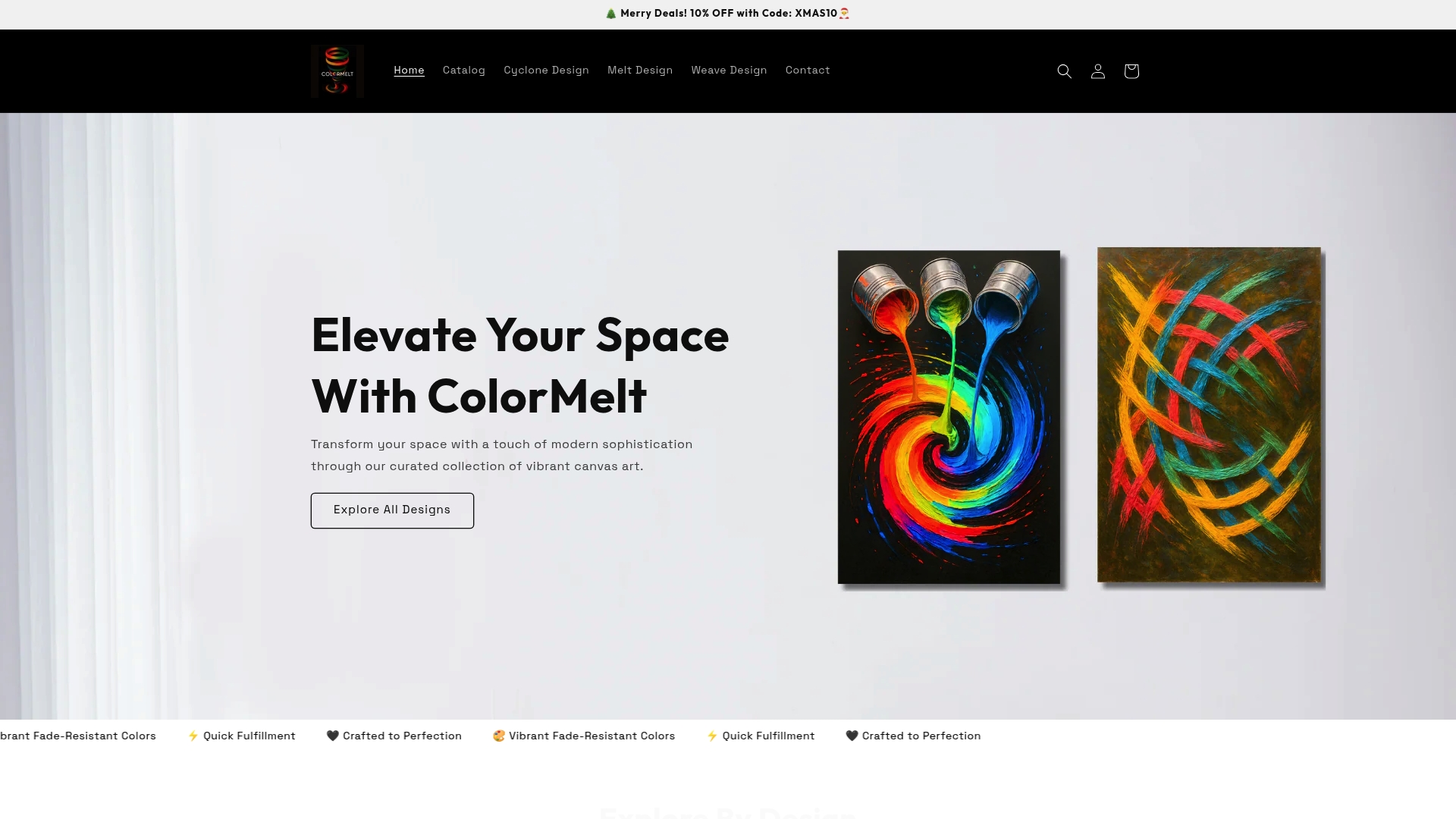
Colormelt’s curated wall art collection features canvas prints, wood prints, acrylic prints, and framed pieces built with fade-resistant pigments and crafted for longevity. Long-lasting color means fewer replacements and a lower cumulative footprint over time. The collection spans abstract, floral, cyclone, and weave designs, so finding a piece that fits your space and your values does not require a compromise on either front. If you want guidance on matching art to your interior before you buy, the wall art selection guide covers the key decisions clearly.
FAQ
What is the definition of sustainable art?
Sustainable art is artwork created with ethical choices that prioritize environmental, social, and economic responsibility across the full lifecycle of the piece, from material sourcing through display and disposal.
What makes a material sustainable for use in art?
A material qualifies as sustainable when it is natural, reclaimed, recycled, or low-toxicity, and when its sourcing, processing, and disposal do not create disproportionate environmental harm. Certification standards like FSC for wood provide third-party verification.
Is biodegradable art always more sustainable?
No. Biodegradable materials that degrade quickly in landfills still consume resources during production. Durable, well-constructed artworks often have a lower lifetime environmental footprint than short-lived biodegradable alternatives.
How does sustainable art connect to social justice?
Ecological art integrates social justice by addressing communities most affected by pollution and resource extraction. Projects in these communities combine material responsibility with direct social impact, making the work a form of environmental activism.
How do I verify that an artwork is genuinely sustainable?
Ask the artist for specific material sources, certifications, packaging details, and shipping methods. Vague eco-claims without documentation are not verifiable. Transparency about trade-offs is the most reliable indicator of genuine sustainable practice.