
Why display art at home? Transform your space and well-being
Most people think of wall art as the finishing touch you add after the “real” decorating is done. But that idea undersells art in a big way. Viewing art boosts well-being by providing genuine meaning in daily life, not just visual interest. Beyond the psychological benefits, a well-chosen piece can also increase your home’s market appeal and resale value. This guide breaks down the science, the design advantages, and the practical steps you need to make art work hard for you — no matter your style, budget, or whether you rent or own.
Table of Contents
- The science behind art and well-being
- How art elevates home aesthetics and market value
- Personal style vs. minimalism: How much art is right for you?
- Choosing and displaying art for maximum impact
- Why art at home matters more than you think: A fresh perspective
- Ready to transform your walls with vibrant art?
- Frequently asked questions
Key Takeaways
| Point | Details |
|---|---|
| Boosts well-being | Displaying art at home can enhance daily mood and life satisfaction. |
| Increases home value | Well-chosen wall art may raise your home’s market appeal and resale price. |
| Fits any style | Both minimalist and expressive designs benefit from intentional art placements. |
| Personal expression | Curating wall art creates a space that feels unique to you. |
The science behind art and well-being
Art is not just something pretty to glance at when you walk past. Research shows that the act of looking at art regularly, even in a casual home setting, creates measurable improvements in how you feel and how you find meaning in everyday life.
“Viewing art in everyday environments provides meaning in life, with empirical studies recording a statistically significant effect size (beta = 0.18) on eudemonic well-being.”
That word eudemonic simply means the deep sense that life is meaningful and worthwhile, rather than just feeling happy in the moment. It is the difference between a fleeting mood lift and a lasting sense of purpose. The art and mood connection is grounded in this more durable kind of emotional benefit.
According to a recent review, the mechanisms behind these effects fall into a few clear categories:
- Affective benefits: Art can shift your emotional state quickly, lowering stress hormones and improving your baseline mood when you encounter it during daily routines.
- Cognitive benefits: Engaging with a piece that resonates with you triggers reflection, supports memory and imagination, and reinforces personal identity.
- Context-dependent effects: While viewing art boosts life satisfaction, intentional viewing at home is especially powerful because the setting is familiar and comfortable.
The identity piece is worth pausing on. When you choose art for your home, you are not just filling a wall. You are building a visual autobiography. Every piece you select communicates something about who you are and what you value. Over time, those signals feed back to you, reinforcing a sense of self that researchers link to stronger emotional resilience and higher life satisfaction.
Practical takeaway: you do not need a gallery wall or expensive originals to get these benefits. Even one or two pieces that genuinely resonate with you can shift how your home feels to live in, day after day.
How art elevates home aesthetics and market value
With the mind-boosting advantages in view, let’s uncover how displaying art directly benefits not only lifestyle but your financial bottom line as well.
Art is one of the few home additions that works on two levels simultaneously. It makes your space more enjoyable to live in right now, and it makes it more attractive to future buyers or renters. That dual return is hard to beat.
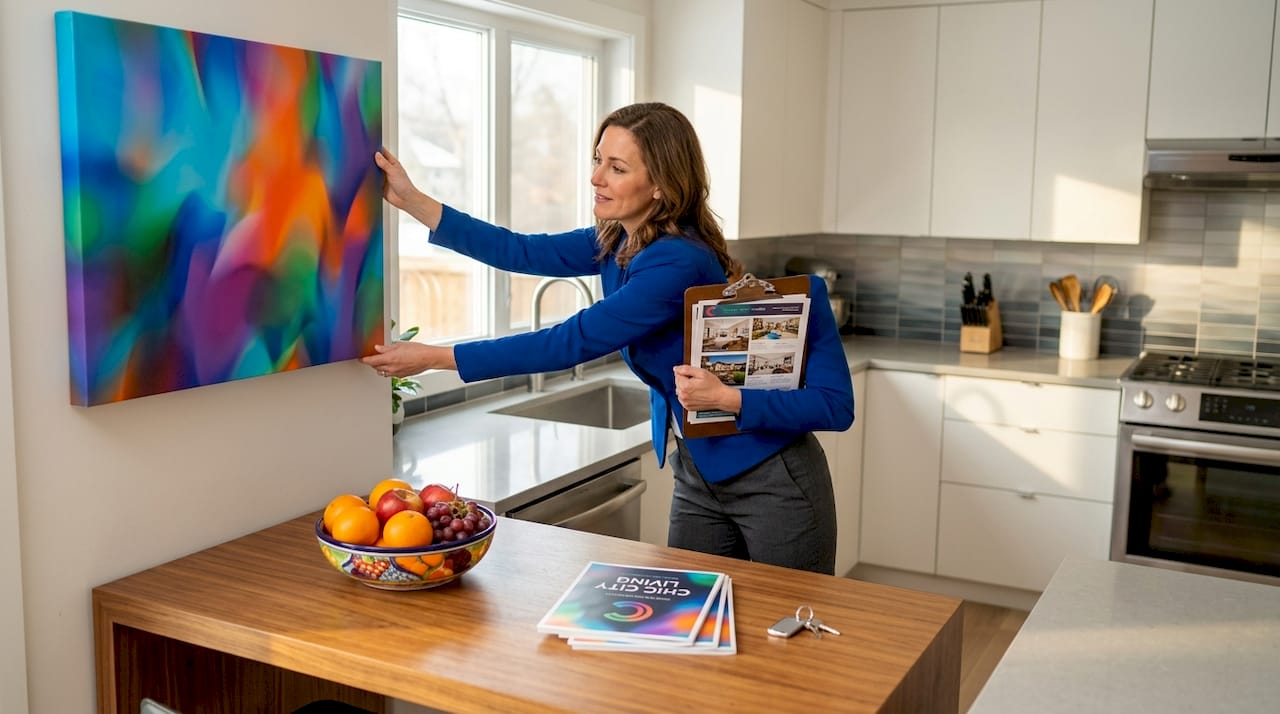
Here is what the data says about art and home value:
| Home segment | Approximate value added | Condition |
|---|---|---|
| Homes valued $560,000+ | Up to $9,000 added | Art well-chosen and styled |
| Average decorated home | $3,100 to $5,000 added | Art and decor combined |
| Staged homes (general) | Sell for 1% to 10% more | Compared to unstaged homes |
| Rental units | Faster lettings, higher demand | Modern art creates aspirational feel |
Staged homes with art and market value consistently outperform bare-walled competitors. In competitive real estate markets, buyers often make emotional decisions first. Art creates that emotional “yes” before they’ve even checked the square footage.
What does this mean for a non-seller? Even if you are not planning to list your home, knowing your space could be worth significantly more simply by adding thoughtful art is a compelling reason to invest in a few statement pieces today. You get to enjoy the daily visual and emotional reward, and you are also quietly building value.
The type of art matters too. A science-backed home decor guide consistently points to a few reliable principles:
- Scale: Oversized art in a living room creates a sense of depth and grandeur that makes rooms feel larger.
- Color coordination: Art that pulls one or two accent colors from your existing furnishings ties a room together instantly, creating a sense of intentional design.
- Placement: Eye-level hanging (center of the piece at roughly 57 to 60 inches from the floor) is the professional standard for a reason. It anchors art naturally in the visual field.
If you want to personalize with vibrant art without an expensive redesign, a single large canvas in a bold, resonant color can do more work than repainting an entire room.
Personal style vs. minimalism: How much art is right for you?
Understanding your needs means taking a closer look at how to tune art choices for your design taste, from minimalist to expressive.
One of the most common hesitations people have about buying art is the fear of overdoing it. What if it looks cluttered? What if your tastes change? These are fair concerns, but they are also easier to manage than most people think.
Here is a quick comparison of the two dominant approaches:
| Style preference | Art approach | Key goal |
|---|---|---|
| Minimalist | 1 to 2 pieces, neutral or monochrome | Calm focus, uncluttered sightlines |
| Maximalist / expressive | Gallery walls, layered frames, bold colors | Energy, personality, visual richness |
| Eclectic / transitional | Mix of scales and styles, curated feel | Balance between personality and space |
Minimalist preferences for wall art often favor empty wall space as part of the aesthetic itself. In that worldview, a single carefully chosen piece carries more visual weight precisely because of the breathing room around it. That is not a design failure. It is a deliberate strategy that can be just as powerful as a gallery wall.
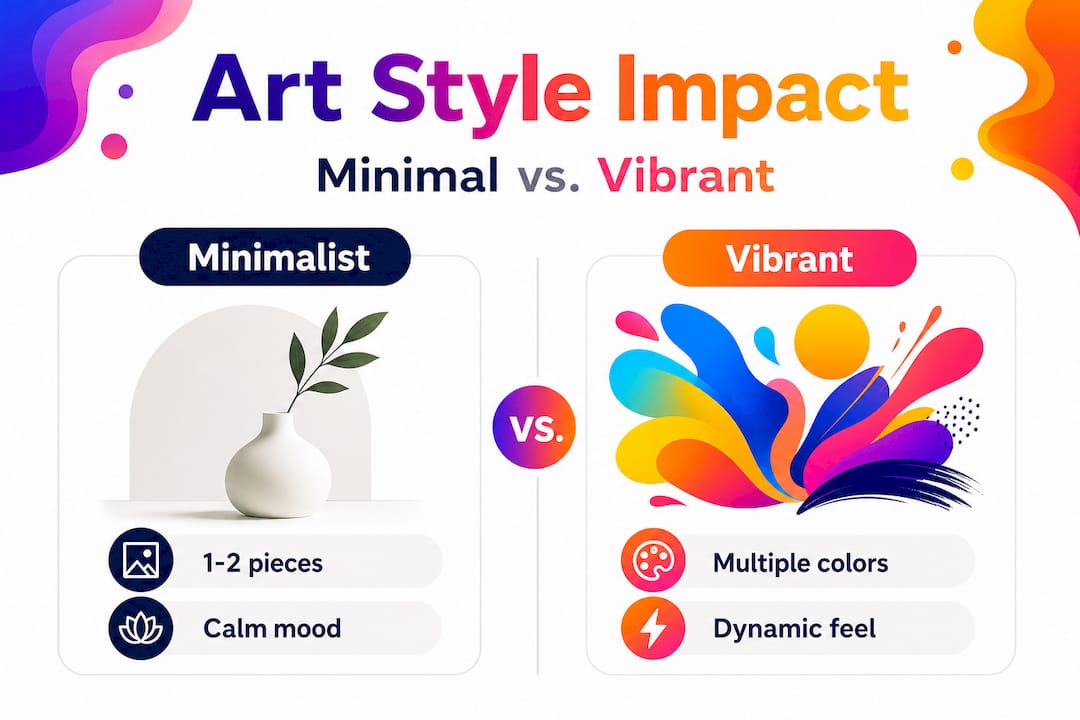
For those who lean expressive, modern art decor tips suggest anchoring a gallery wall around one hero piece and building outward. This prevents the “random collection” look and gives the wall a clear focal point.
Here is a simple numbered framework to find your own balance:
- Identify the mood you want in each room. Calm and restful? Bold and energizing? That mood should guide your art choices before anything else.
- Start with one wall per room. Resist the urge to fill every surface at once. One well-styled wall is more impactful than four half-filled ones.
- Live with it before committing. Lean pieces against the wall before you hang them. You will quickly see whether the size, color, and style feel right in the actual space.
- Revisit seasonally. Art does not have to be permanent. Rotating pieces between rooms or with the seasons keeps your space feeling fresh without new purchases.
- Follow the practical modern style ideas in your budget. Great art at every price point exists, from affordable prints to limited-edition canvases.
Pro Tip: If you rent and worry about commitment, lean large pieces on shelves or a fireplace mantle instead of hanging them. You get the full visual impact with zero wall damage, and you can swap pieces out whenever the mood strikes.
Choosing and displaying art for maximum impact
Once you know your style preference, here’s how to act on it for visual impact and emotional benefit.
Think of art as emotional architecture. Just as a well-placed window changes the feel of a room by controlling light, a well-placed piece of art controls emotional tone. It signals to your nervous system what kind of space this is and how you should feel in it. That influence is largely subconscious, which is why experts at Art of Healthy Living describe art as an invisible layer of daily well-being that most people never consciously credit.
Practical display ideas that work for any living situation:
- Renters: Lean oversized canvases on a floating shelf, bookcase, or against a backsplash. Use removable adhesive strips for lighter framed pieces. Modular frame systems let you rearrange without new holes.
- First-time buyers: Start with one statement piece per main room. The kitchen, living room, and bedroom benefit the most from an intentional focal point.
- Frequent movers: Invest in lightweight canvas prints over heavy framed glass. They ship better, hang faster, and take up less packing space.
- Shared spaces: In homes with multiple people, pick a theme or color palette rather than a single style. Abstract works and vibrant art energy tend to appeal to a wider range of tastes than highly specific figurative art.
When you are choosing quality wall art, look for fade-resistant inks and archival-grade canvases. Colors that hold up for 10 to 20 years look significantly better than prints that yellow or dull within a few years of purchase.
Pro Tip: Before buying, screenshot the piece and use your phone camera to mock it up against your wall. Most modern phones let you do a quick augmented reality preview. It saves time and returns.
For those looking to go bold, styling colorful wall decor effectively comes down to a single rule: anchor vibrant art with neutral surroundings. Let the art do the talking, and keep furniture and accessories relatively calm. This approach works in rentals and owned homes alike because it relies on the art, not expensive renovation.
Why art at home matters more than you think: A fresh perspective
Most design articles tell you art is important and then walk you through hanging height and color matching. That is useful, but it misses something bigger.
The real value of living with art is cumulative and mostly invisible. It is not the moment you hang a new piece and step back to admire it. It is the Tuesday morning three months later when you glance up from your coffee and feel, without thinking about it, that you are exactly where you belong. That quiet sense of home is built piece by piece, literally.
Art does not need to be expensive or prestigious to do this. What it needs to do is reflect you. A $40 canvas print that makes you smile every time you walk past it outperforms a $4,000 piece you chose because it seemed sophisticated but never quite clicked. Price and impact are not the same thing.
There is also an underrated case for changing your art over time. Most people treat hanging a piece as a final decision. But customizing wall art and rotating your collection seasonally or as your life changes keeps your environment aligned with who you are now, not who you were five years ago when you first moved in. Your space should evolve with you.
The other point worth making: most people dramatically underestimate how much their physical environment affects their mental state. You control your walls. That is a genuinely powerful design lever that most people leave unused for years. The cumulative positive effect of waking up in a space that feels intentional and personal is something no furniture upgrade or renovation can replicate. It is built one piece at a time.
Ready to transform your walls with vibrant art?
If the ideas in this guide have you thinking about your own walls differently, the next step is simpler than you might expect.
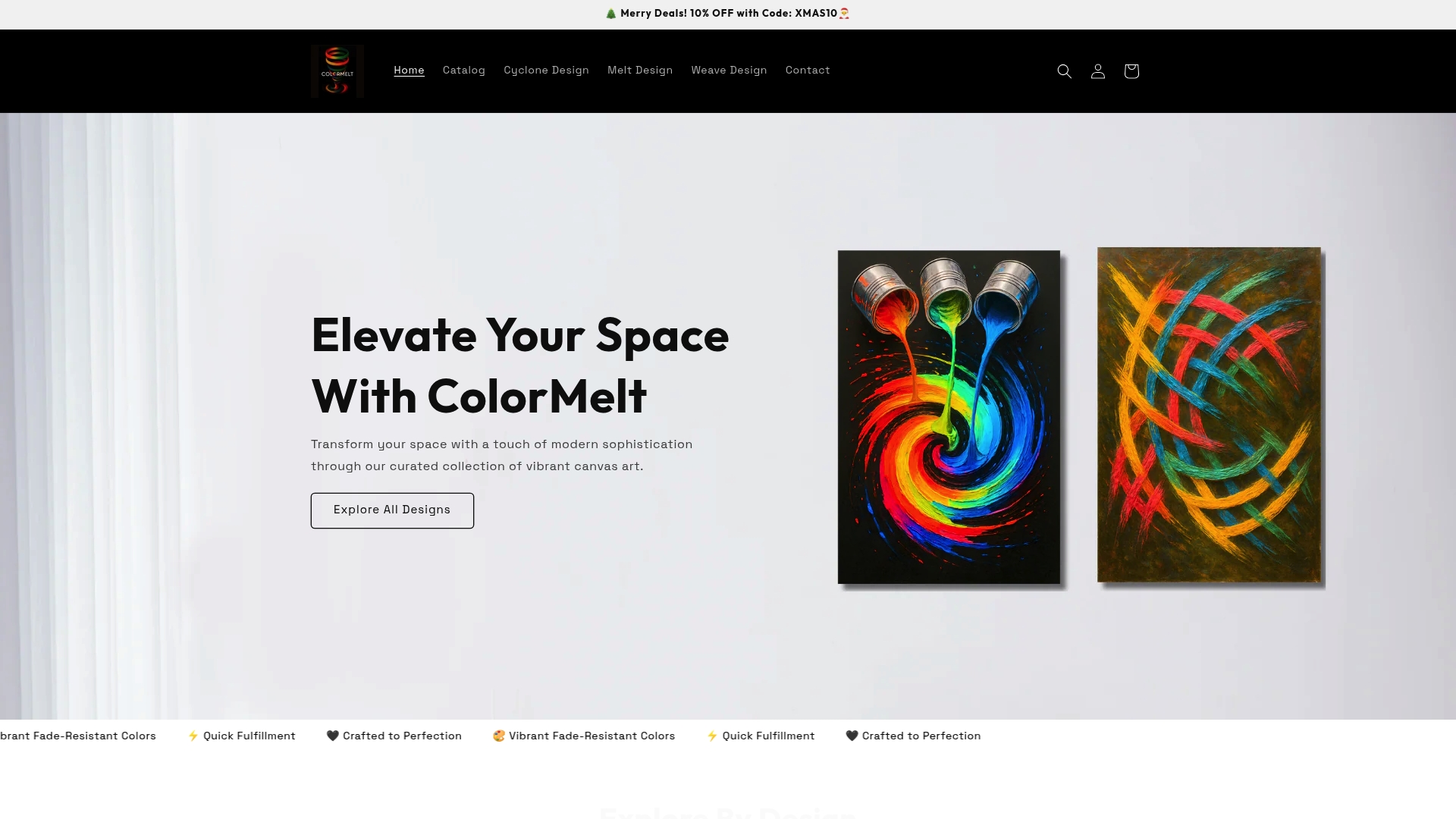
At ColorMelt.shop, you will find a curated collection of modern, fade-resistant wall art designed to bring exactly these benefits to life. Whether your style runs toward bold abstract pieces that energize a room, or clean and minimal designs that create quiet focus, there is something that fits. You can browse wall art by style and format, from canvas and acrylic to framed and wood prints. If you want something with serious texture and visual depth, the creative weave design is a standout piece that works beautifully in living rooms, bedrooms, and home offices. Every piece ships quickly and is built to last.
Frequently asked questions
Does displaying art at home really improve well-being?
Yes. Research confirms that viewing art improves well-being by boosting meaning and life satisfaction, even in everyday home settings rather than museum visits.
Can art increase my home’s value even if I’m not selling?
Art improves how guests and potential buyers experience your space. Staged homes with art sell for 1% to 10% more, and even if you are not listing, the aesthetic and emotional returns begin the day you hang the piece.
How do I choose art if I prefer minimal interiors?
Select one or two pieces with personal resonance and leave generous space around them. Minimalist wall art preferences favor restraint as a deliberate design choice, using negative space to amplify the impact of each selected piece.
Are there renter-friendly ways to display art?
Absolutely. Leaning large canvases, using removable adhesive strips for lighter frames, and choosing modular systems are all effective options. Art as emotional architecture works just as well when a piece is leaned as when it is hung, so flexibility does not mean sacrificing impact.