
What Is Boho Wall Decor? Your 2026 Style Guide
Boho wall decor is a design style that blends natural materials, handcrafted textures, and earthy color palettes to create warm, eclectic, and personally expressive spaces. Known formally as bohemian interior design, this style draws from global artistic traditions, layering macramé, woven tapestries, rattan, and vintage mirrors to produce walls that feel lived-in and intentional. In 2026, the style has matured beyond maximalist excess. Today’s best boho wall decorations favor breathable space, sustainability, and a curated mix of neutral tones with bold accents. Whether you’re starting from scratch or refreshing a tired room, understanding the core principles of bohemian wall art makes the difference between a wall that tells a story and one that just holds stuff.
What is boho wall decor, and what defines it?
Boho wall decor is defined by three non-negotiable qualities: natural materials, layered texture, and personal meaning. Bohemian home design combines natural textiles, greenery, and artisan-crafted accents to achieve a warm, eclectic aesthetic. That combination is what separates a genuine boho wall from a generic “rustic” one.
The style pulls from Romani, Moroccan, Indian, and Southeast Asian visual traditions. You’ll recognize it by the presence of handwoven pieces, unfinished wood frames, dried botanicals, and objects that look like they were collected over years rather than ordered from a single catalog. Boho chic wall decor blends natural materials, global influences, and handmade textures with earthy color palettes for warm and eclectic spaces. That global DNA is what gives the style its depth.
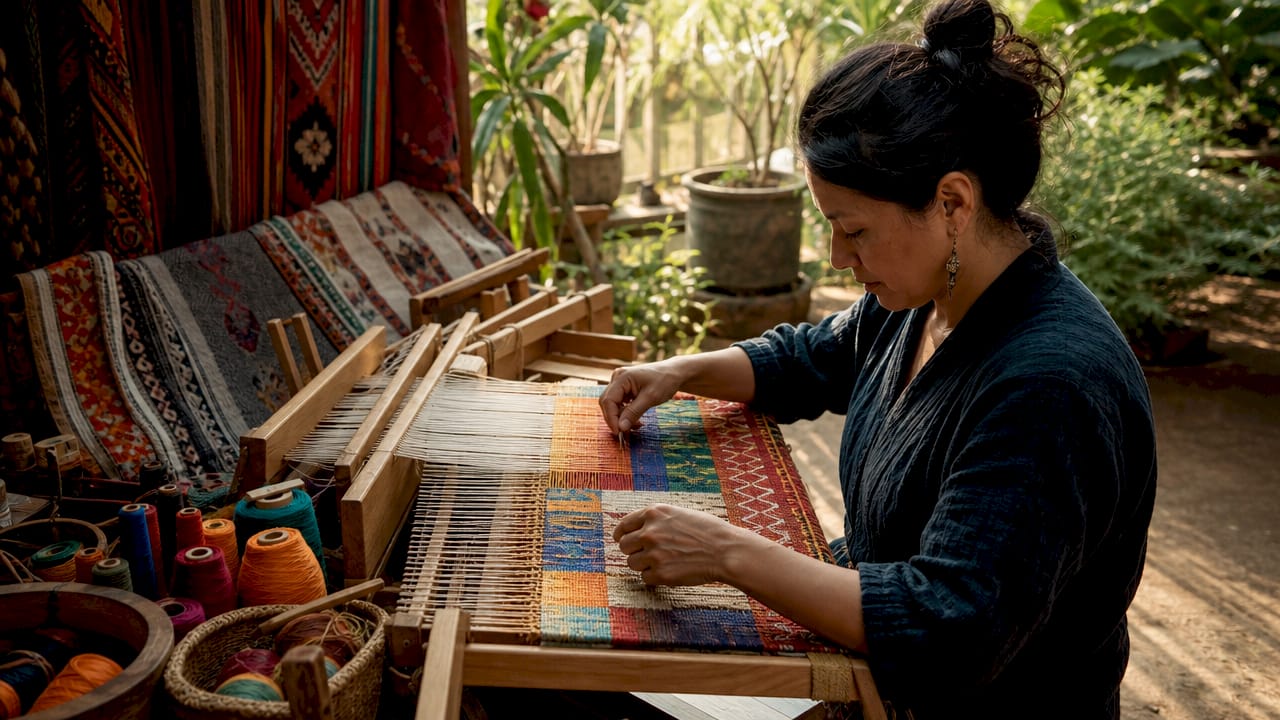
What makes boho wall decor distinct from other eclectic styles is its emphasis on storytelling. The true essence of boho style is storytelling through personal and culturally inspired objects rather than a look defined by rigid rules. A macramé hanging your aunt made carries more boho energy than a mass-produced version from a big-box store, even if they look similar at first glance.
In 2026, the style has shifted toward intentional curation. Designers now recommend breathable space and careful spacing between boho wall items, with a dominant neutral palette that prevents clutter and allows eclectic accents to shine. The result is a look that feels relaxed without being chaotic.
What materials, colors, and patterns define boho wall decor?
The material palette is where boho wall decor gets its physical character. The most common materials include:
- Macramé and knotted cotton: Adds soft, handcrafted texture with visual weight
- Rattan and woven jute: Brings natural, organic structure to flat walls
- Unfinished or reclaimed wood: Provides warmth and an artisan quality
- Metal with patina finishes: Adds contrast and a hint of global craft tradition
- Fabric tapestries: Introduce pattern and color in a way that feels soft rather than rigid
Ignoring texture balance by relying solely on flat wall art is a common mistake. Incorporating wood, jute, macramé, and metal adds necessary physical depth that flat prints simply cannot replicate. This is why mixing materials matters more in boho design than in almost any other interior style.
The color palette follows a clear rule: 70% neutral tones paired with 30% accent colors. Neutrals like white, beige, and greige form the base, while terracotta, olive green, mustard yellow, and dusty rose serve as accent colors. This ratio keeps the wall from feeling overwhelming while still delivering visual richness.
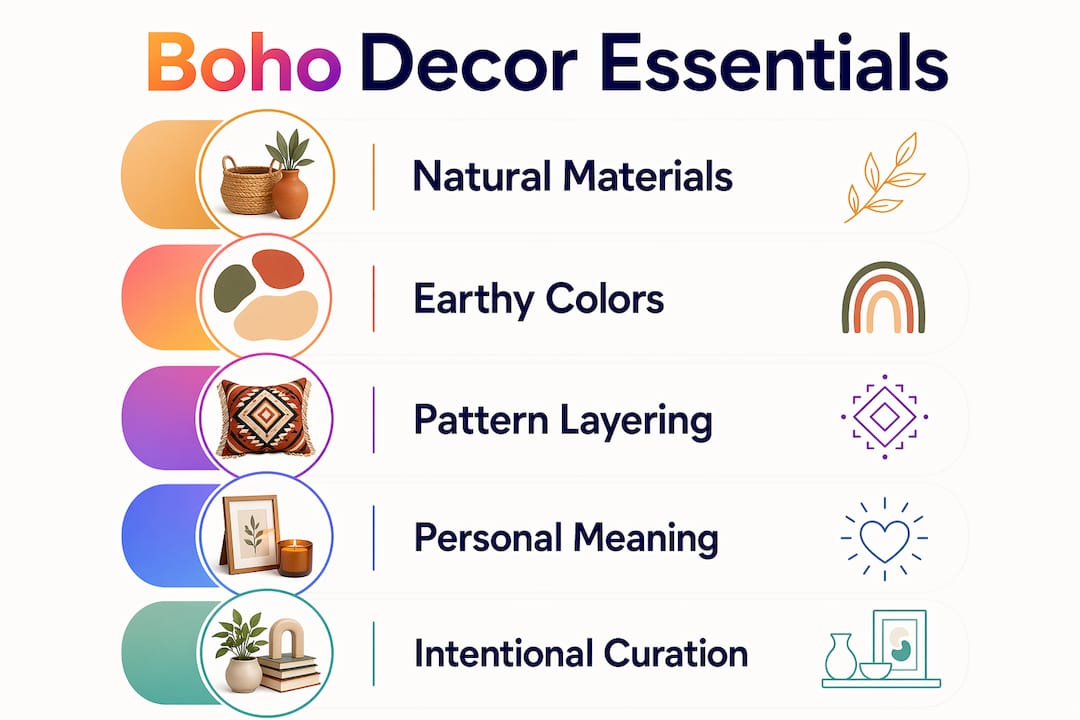
Pattern layering requires the same discipline. To avoid visual competition, combine one large-scale, one medium-scale, and one small-scale pattern when layering boho decor. A large geometric tapestry, a medium-sized woven basket, and a small printed botanical print work together because they occupy different visual scales. Stacking three large-scale patterns creates noise, not character.
Pro Tip: When selecting accent colors, pull them from a single natural source. A terracotta pot, a rust-toned textile, and a warm amber print all share the same earthy undertone, which creates cohesion without matching.
How to style and arrange boho wall decor for modern interiors
Arrangement is where most people go wrong with bohemian wall art. The goal is asymmetrical balance, not symmetry. Here’s a practical process that works:
- Collect before you commit. Gather all your pieces in one place before hanging anything. You need to see the full picture, including scale, color, and texture relationships.
- Lay it out on the floor first. Planning a gallery wall on the floor before attaching items preserves wall integrity and helps achieve natural asymmetry. This step alone saves hours of patching nail holes.
- Use odd numbers. Designers recommend odd numbers of items (3, 5, or 7) in displays for natural visual flow. Even numbers create symmetry, which works against the relaxed boho aesthetic.
- Leave breathing room. Experts recommend leaving 2 to 4 inch gaps between wall items and keeping 70% of the wall color palette neutral for a curated boho look. Crowding pieces together kills the effect.
- Anchor with one large piece. Start with your largest item, whether that’s a macramé hanging or a wide tapestry, and build outward from there. This prevents the scattered look that plagues poorly planned gallery walls.
- Check the wall decor checklist before drilling. Damage-free hanging solutions protect your walls and make rearranging much easier when your taste evolves.
Pro Tip: Photograph your floor layout before you start hanging. You’ll have a reference image on your phone while you’re up on the ladder, which removes all the guesswork.
Popular boho wall decor items and how to mix them
The best boho wall decorations work because each piece brings something different to the wall. Here are the core items and what each one contributes:
- Macramé wall hangings: The most iconic boho piece. They add soft texture, vertical movement, and a handmade quality that no print can match.
- Woven baskets: Mounted in clusters of three or five, baskets add circular shapes and natural fiber texture. They work especially well on large, empty walls.
- Textured tapestries: These carry pattern and color simultaneously, making them the most efficient single piece in a boho arrangement.
- Vintage mirrors with ornate frames: Mirrors with aged brass, carved wood, or hammered metal frames add depth, light, and a sense of history.
- Unglazed terracotta wall planters: Living plants on a wall introduce organic color and movement. Unglazed terracotta specifically reads as more authentically boho than painted or ceramic alternatives.
- Canvas prints and flat wall art: These balance the three-dimensional texture pieces by providing a visual resting point.
The key to mixing these items is contrast between flat and dimensional. Here’s a quick reference for building a balanced boho wall:
| Piece type | What it adds | Best paired with |
|---|---|---|
| Macramé hanging | Soft texture, vertical line | Flat canvas print or mirror |
| Woven basket cluster | Circular shape, natural fiber | Tapestry or botanical print |
| Vintage mirror | Light, depth, ornate detail | Simple macramé or plain textile |
| Canvas or framed print | Color, pattern, visual rest | Dimensional texture pieces |
| Terracotta wall planter | Organic color, living movement | Neutral-toned textiles |
Mixing materials like wood, jute, and macramé is the expert-recommended approach to avoiding flatness and adding visual interest to boho walls. The role of texture in wall art is what separates a wall that looks designed from one that just looks decorated.
Budget-friendly boho decor ideas and sourcing tips
Boho wall decor is one of the most affordable interior styles to execute well, because the aesthetic rewards imperfection and handmade character over polished precision. Here’s where to find quality pieces without overspending:
- Natural textiles and accent fabrics are available for $8 to $20 at craft markets, thrift stores, and online platforms. A simple piece of printed cotton fabric stretched over a wooden dowel functions as a tapestry.
- Unglazed terracotta planters cost between $2 and $15 and offer better visual appeal than painted or ceramic alternatives. Their raw, matte surface reads as more authentically artisan.
- Woven baskets from import stores or online marketplaces often cost under $15 each. Buy three in graduating sizes for a wall cluster that looks intentional.
- Vintage and thrift store finds are the backbone of authentic boho styling. Ornate frames, old mirrors, and handwoven textiles carry the kind of patina that new pieces cannot replicate.
- DIY macramé kits are widely available for under $25 and produce wall hangings that look genuinely handcrafted, because they are.
Boho style emphasizes storytelling with collected objects carrying personal meaning and global influences over pre-matched sets. This principle is actually a budget advantage. A piece you found at a flea market in Santa Fe or a textile brought back from a trip carries more authentic boho energy than anything sold as a “boho set.”
Pro Tip: Layer affordable textiles over each other rather than buying one expensive statement piece. A $12 printed cotton throw pinned behind a $15 woven basket creates more visual depth than a single $80 tapestry hung alone.
Key takeaways
Boho wall decor works best when natural materials, a 70/30 neutral-to-accent color ratio, and odd-numbered arrangements combine to create walls that feel curated rather than cluttered.
| Point | Details |
|---|---|
| Define the style first | Bohemian wall decor blends natural materials, global influences, and handmade textures for warm, eclectic spaces. |
| Follow the color ratio | Use 70% neutral tones and 30% accent colors like terracotta, olive, or mustard for visual balance. |
| Apply the pattern scale rule | Combine one large, one medium, and one small pattern to avoid visual competition between pieces. |
| Plan before you hang | Lay out your gallery wall on the floor first to test asymmetry and spacing without damaging walls. |
| Budget smart | Unglazed terracotta, thrifted textiles, and DIY macramé deliver authentic boho character at low cost. |
Why boho decor rewards restraint more than abundance
I’ve seen more boho walls ruined by enthusiasm than by bad taste. The instinct to fill every inch of wall space is understandable. The style is visually rich, and each piece you add feels like it belongs. But the walls that actually stop people in their tracks are the ones where someone had the discipline to stop adding.
The 2026 shift toward breathable space is not a trend. It’s a correction. The boho walls that aged badly over the past decade were the ones that treated “more” as the goal. When every inch is covered, nothing stands out. The macramé loses its impact. The vintage mirror disappears into the noise. The terracotta planter becomes invisible.
What I find genuinely interesting about boho interior design is that it rewards personal history in a way that almost no other style does. A piece you bought at a market in Oaxaca or inherited from a grandparent carries visual weight that a perfectly crafted reproduction cannot match. That weight is not sentimental. It’s aesthetic. Objects with stories read differently on a wall, and viewers feel it even when they can’t explain why.
My practical advice: build your boho wall in three stages over three months. Start with one anchor piece. Live with it for a few weeks. Add a second layer. Pause again. The walls that look most intentional are almost always the ones that were assembled slowly, not in a single weekend shopping trip. For a structured approach to mixing neutral tones and texture accents, the principles of modern warm decor apply directly to boho styling.
— Shlomo
Bring your boho wall to life with Colormelt
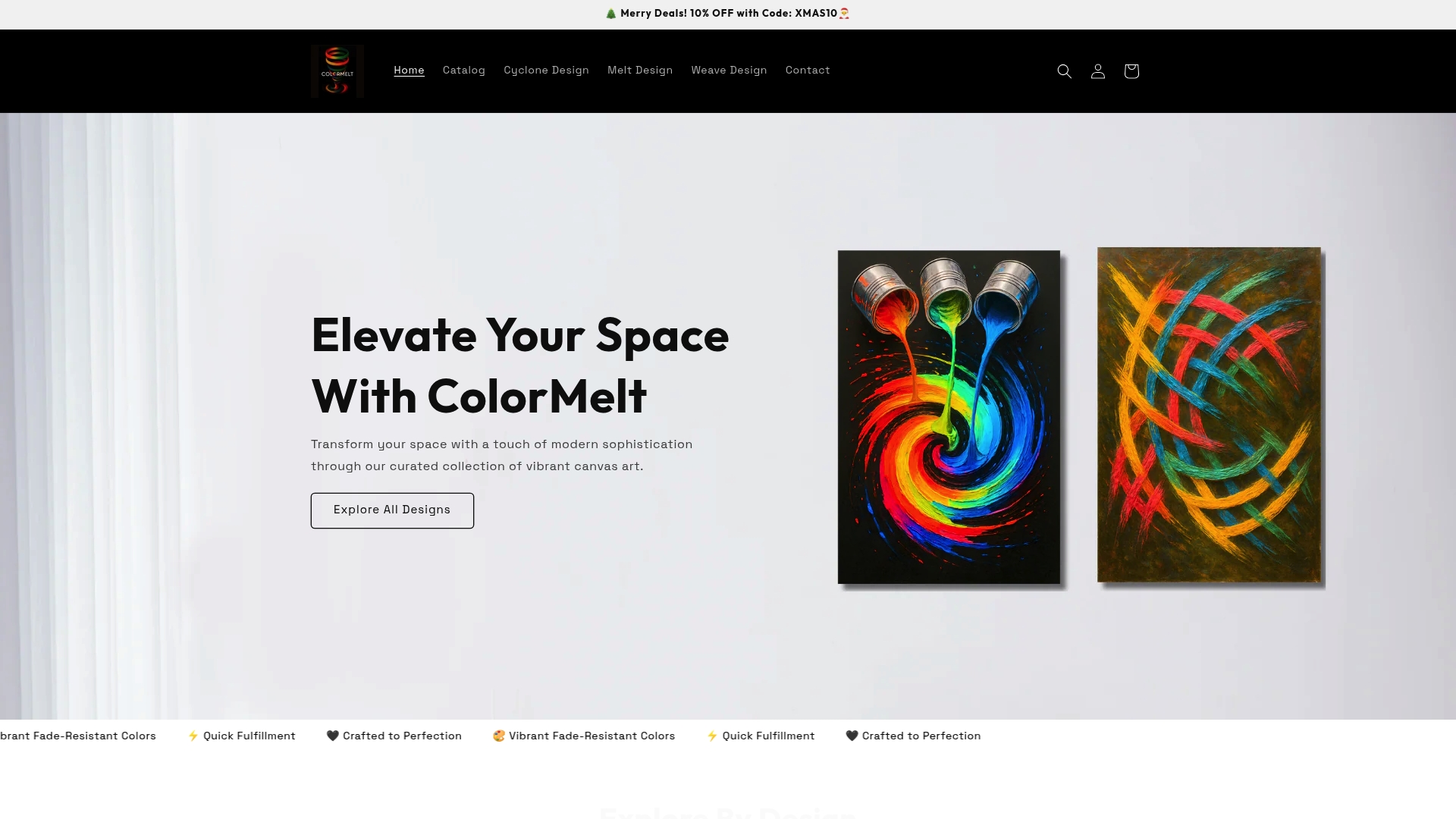
Colormelt’s wall art collection includes pieces designed specifically for the kind of layered, textured boho aesthetic this article describes. The weave-inspired designs, abstract prints, and vibrant canvas art work as anchor pieces or accent layers depending on your arrangement. The woven wall hanging designs bring artisan-inspired texture to any wall without the fragility of handmade fiber pieces. Every print is produced with fade-resistant inks and ships quickly, so your wall doesn’t stay half-finished while you wait. If you’re ready to add a bold color accent to a neutral boho base, the colorful weave decor pieces deliver exactly that contrast.
FAQ
What is boho wall decor in simple terms?
Boho wall decor is a style that uses natural materials like macramé, rattan, and woven textiles alongside earthy colors and handcrafted pieces to create warm, eclectic walls. It draws from global artistic traditions and prioritizes personal expression over matching sets.
What colors work best for a boho wall?
The most effective boho color palette uses 70% neutral tones such as white, beige, and greige as the base, with 30% accent colors like terracotta, olive green, and mustard yellow. This ratio creates visual richness without overwhelming the space.
How do you style a boho gallery wall?
Lay out all pieces on the floor first to test your arrangement, use odd numbers of items (3, 5, or 7), and leave 2 to 4 inch gaps between pieces. Start with one large anchor piece and build outward for natural asymmetry.
What is the difference between boho and bohemian decor?
Boho and bohemian decor refer to the same style. “Boho” is simply the shortened, more casual term used in everyday conversation and online search, while “bohemian” is the formal design term used by interior designers and publications.
Can boho wall decor work in a modern or minimalist home?
Yes. The 2026 approach to bohemian wall art specifically favors breathable space and structured layouts that pair well with modern interiors. Use one or two textured boho pieces as accent elements against clean, neutral walls rather than covering the entire surface.